“Motion is Lotion”: Managing Arthritis & Stiffness as You Age
Share:
Summary:
Too many Bayonne seniors accept joint stiffness as just part of getting older. But it doesn’t have to be that way. This article shows you how gentle chiropractic care—built specifically for older adults—reduces arthritis pain, improves mobility, and helps you stay independent longer. You’ll learn the science behind why movement matters, discover safe techniques like the Activator Method, and understand how your joints actually work. If stiffness is keeping you from the things you love, this is your roadmap to getting back in the game.
Table of contents
- Why Your Joints Feel Stiff in the Morning
- What Happens When You Stop Moving
- Arthritis Doesn't Mean You're Done Moving
- Gentle Chiropractic Techniques for Older Adults
- How the Activator Method Works for Seniors
- Why Mobility Exercises Matter After Adjustments
- Get Back to Living Without Stiffness Holding You Back
You wake up stiff. Your knees protest when you stand. Reaching for a coffee mug on the top shelf feels like a negotiation. And somewhere along the way, you started believing this is just what getting older looks like. Here’s what most people don’t tell you: stiffness and joint pain are common, but they’re not inevitable. And they definitely don’t have to run your life. Gentle chiropractic care offers a way to manage arthritis, reduce stiffness, and keep you moving—without surgery, heavy medications, or those aggressive adjustments that make you nervous. Let’s talk about what’s really happening in your joints and why the right kind of movement changes everything.
Why Your Joints Feel Stiff in the Morning
Joint stiffness isn’t just about age. It’s about what’s happening inside the joint itself.
Your joints are cushioned by cartilage and lubricated by something called synovial fluid—basically, natural oil that keeps everything moving smoothly. But as you age, your body produces less synovial fluid. The fluid you do produce doesn’t absorb into the cartilage as well as it used to. Without proper lubrication, joints get stiff, movement becomes uncomfortable, and you start avoiding activities that used to be second nature.
Add arthritis into the mix and the problem compounds. Cartilage breaks down. Inflammation sets in. And the less you move, the worse it gets. You’re stiff, so you move less. You move less, so you get stiffer. That’s the cycle.
What Happens When You Stop Moving
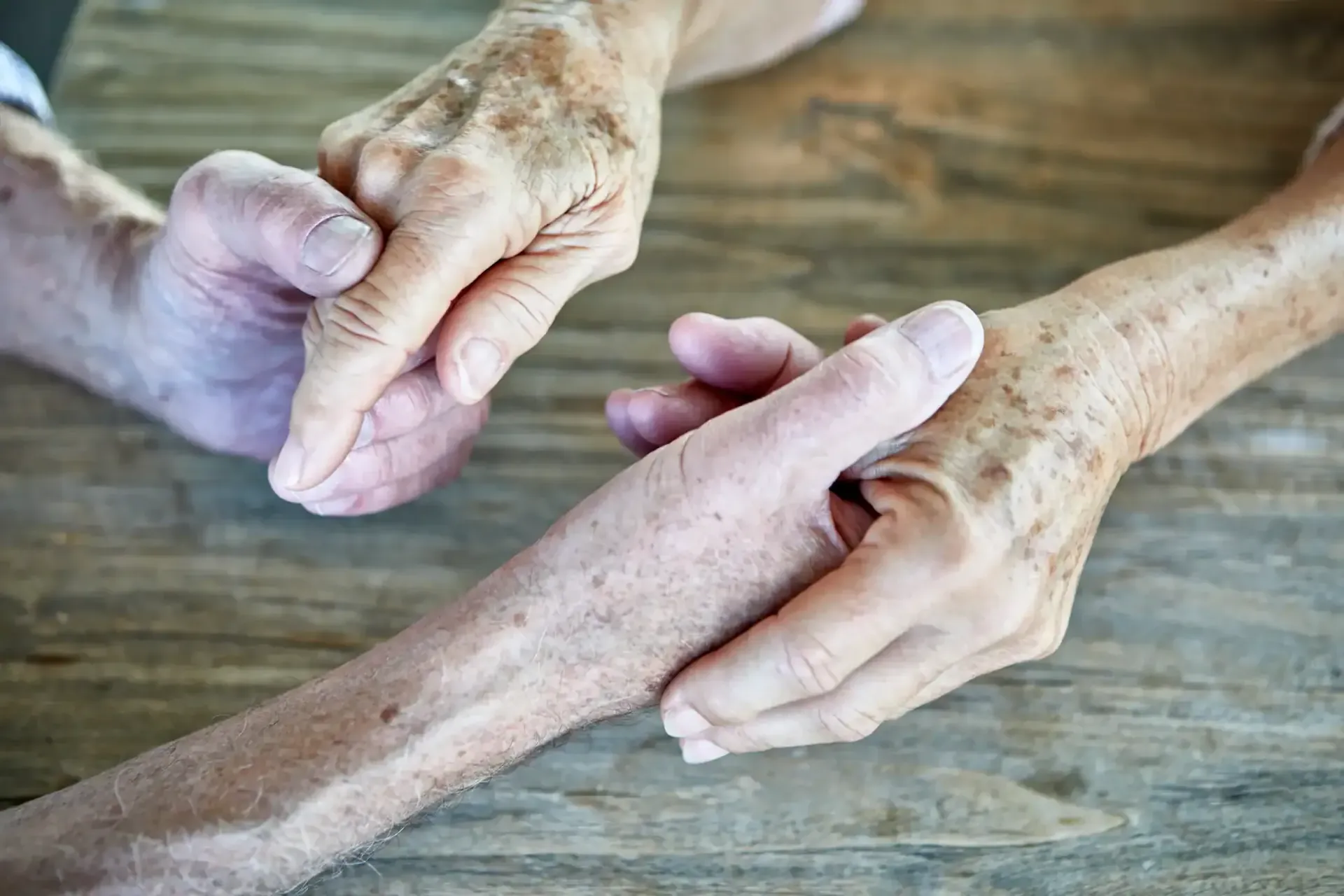
When your joints hurt, your instinct is to rest them. That makes sense on the surface. But prolonged inactivity actually makes joint stiffness worse.
When you stop moving, your joints stop producing the synovial fluid they need. Blood flow to the area decreases. Muscles around the joint weaken. The cartilage that’s left starts to thin out because it’s not getting the nutrients it needs from movement. What you thought was protecting your joints is actually starving them.
This is why so many people with arthritis feel worse in the morning or after sitting through a movie. The joint has been still. The fluid has thickened. And when you finally try to move, everything feels locked up. But once you get moving—even just walking to the kitchen—things start to loosen. That’s not coincidence. That’s your body responding to motion.
Physical therapists and chiropractors have a saying: “motion is lotion.” It’s backed by science. Movement triggers the production of synovial fluid. It increases circulation. It keeps your joints flexible and your muscles strong. The more you move (within reason and without pain), the better your joints function.
If you’ve been told to “take it easy” and you’re feeling worse, not better, this might be why. Your joints need movement to stay healthy. The key is finding the right kind—gentle, controlled, and guided by someone who understands how aging bodies work.
Arthritis Doesn't Mean You're Done Moving
Let’s clear something up: having arthritis doesn’t mean you’re destined for a life of pain and limitation. Yes, it’s common. Yes, it gets more prevalent with age. But it’s not a one-way street.
Three out of five adults over 50 have been told they have some form of arthritis. For many, it’s osteoarthritis—the “wear and tear” kind that develops over years of use. But here’s what most people don’t realize: the severity of your symptoms depends on factors you have some control over. Things like activity level, body weight, past injuries, and how you move all play a role.
Even if you’ve already been diagnosed, you’re not stuck. Research shows that movement-based therapies are among the most effective ways to manage arthritis symptoms. People with arthritis who stay active report less pain, better mobility, and improved quality of life compared to those who don’t.
The problem is that most people believe the opposite. They think arthritis is just part of aging and there’s nothing they can do. So they accept the stiffness. They stop playing with their grandkids. They give up gardening. They assume this is their new normal.
Chiropractic care for seniors focuses on restoring joint function, improving range of motion, and reducing pain—without invasive procedures or long-term reliance on medications. It’s not about forcing your body into positions it can’t handle. It’s about gentle, targeted adjustments that help your joints move the way they’re supposed to. And when your joints move better, everything else gets easier—from tying your shoes to reaching for that top shelf.
Want live answers?
Connect with a DR Roses expert for fast, friendly support.
Gentle Chiropractic Techniques for Older Adults
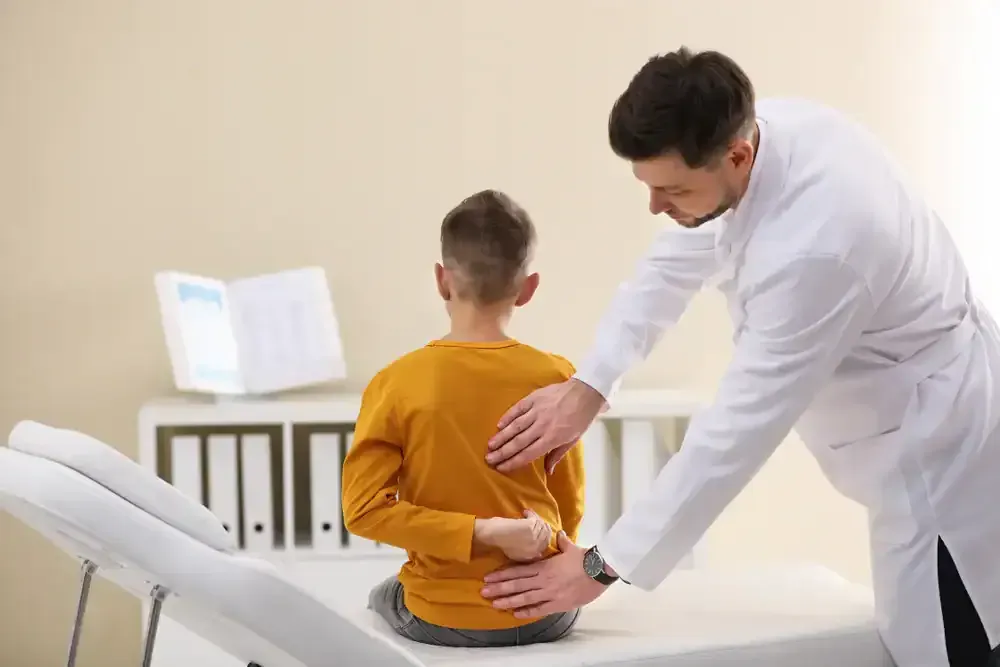
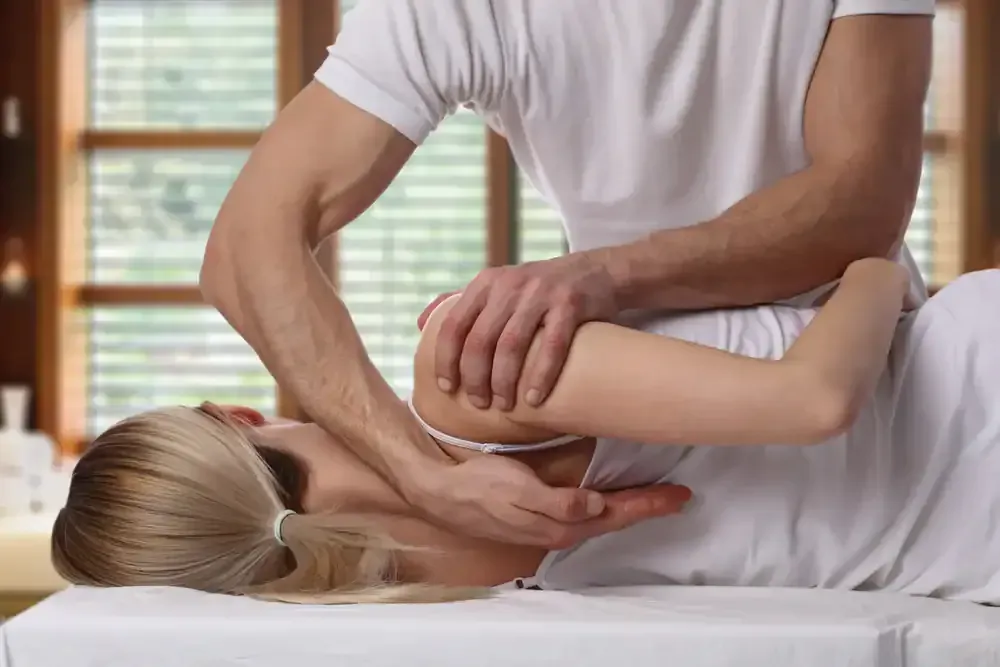
If you’re picturing a chiropractor twisting your spine and making loud cracking sounds, that’s not what we’re talking about here. Chiropractic care for older adults looks very different. It’s gentle, precise, and designed with your comfort and safety in mind.
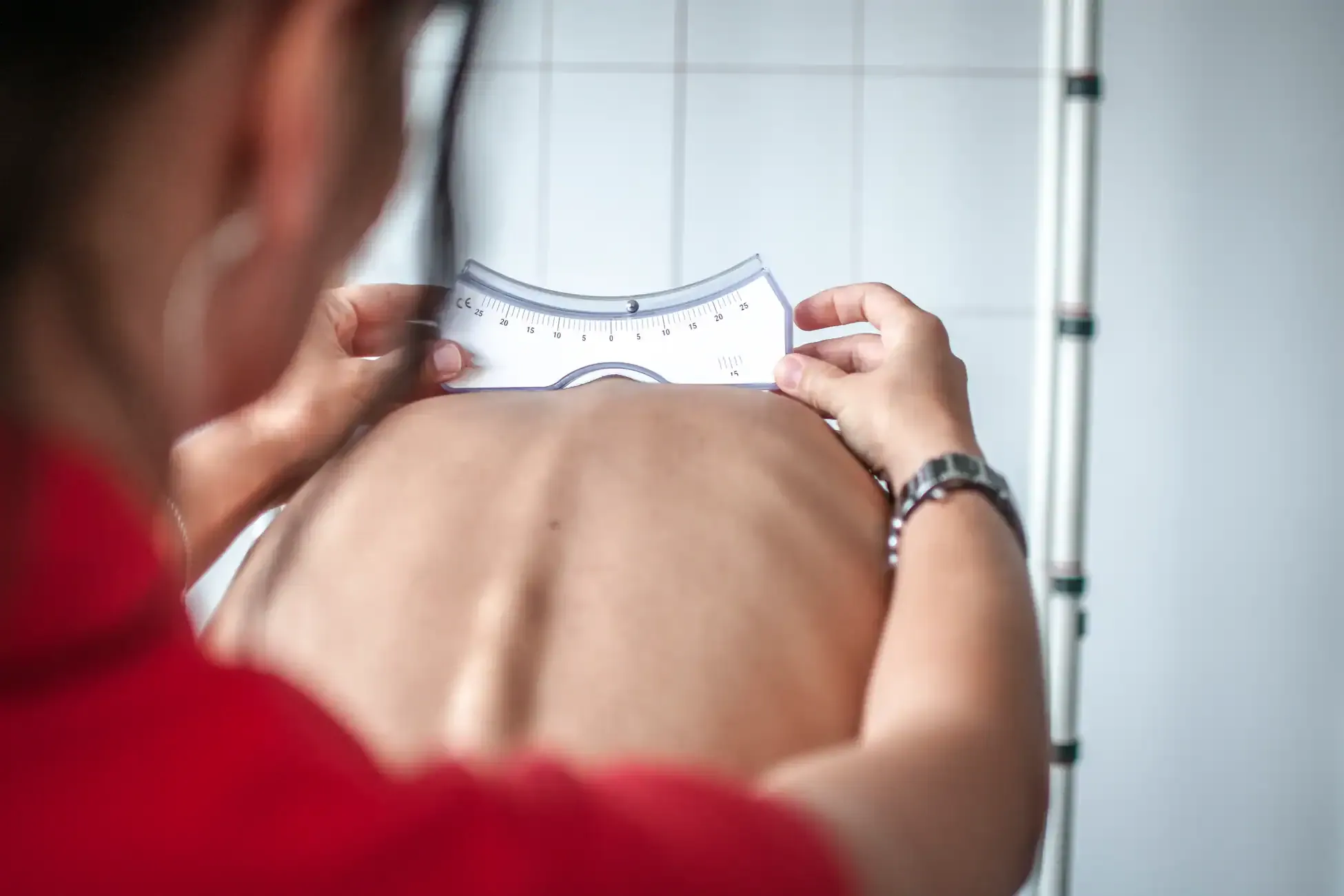
For seniors dealing with arthritis or joint stiffness, the goal isn’t to “crack” anything. It’s to restore movement to joints that have become restricted. When a joint isn’t moving properly, it puts stress on surrounding tissues, limits your range of motion, and contributes to pain. Gentle chiropractic adjustment helps realign the joint, reduce pressure on nerves, and improve overall function.
This is where techniques like the Activator Method and drop table adjustments come in. No twisting. No aggressive manipulation. Just precise, controlled movements that your body can handle—even if you have osteoporosis or other conditions.
How the Activator Method Works for Seniors
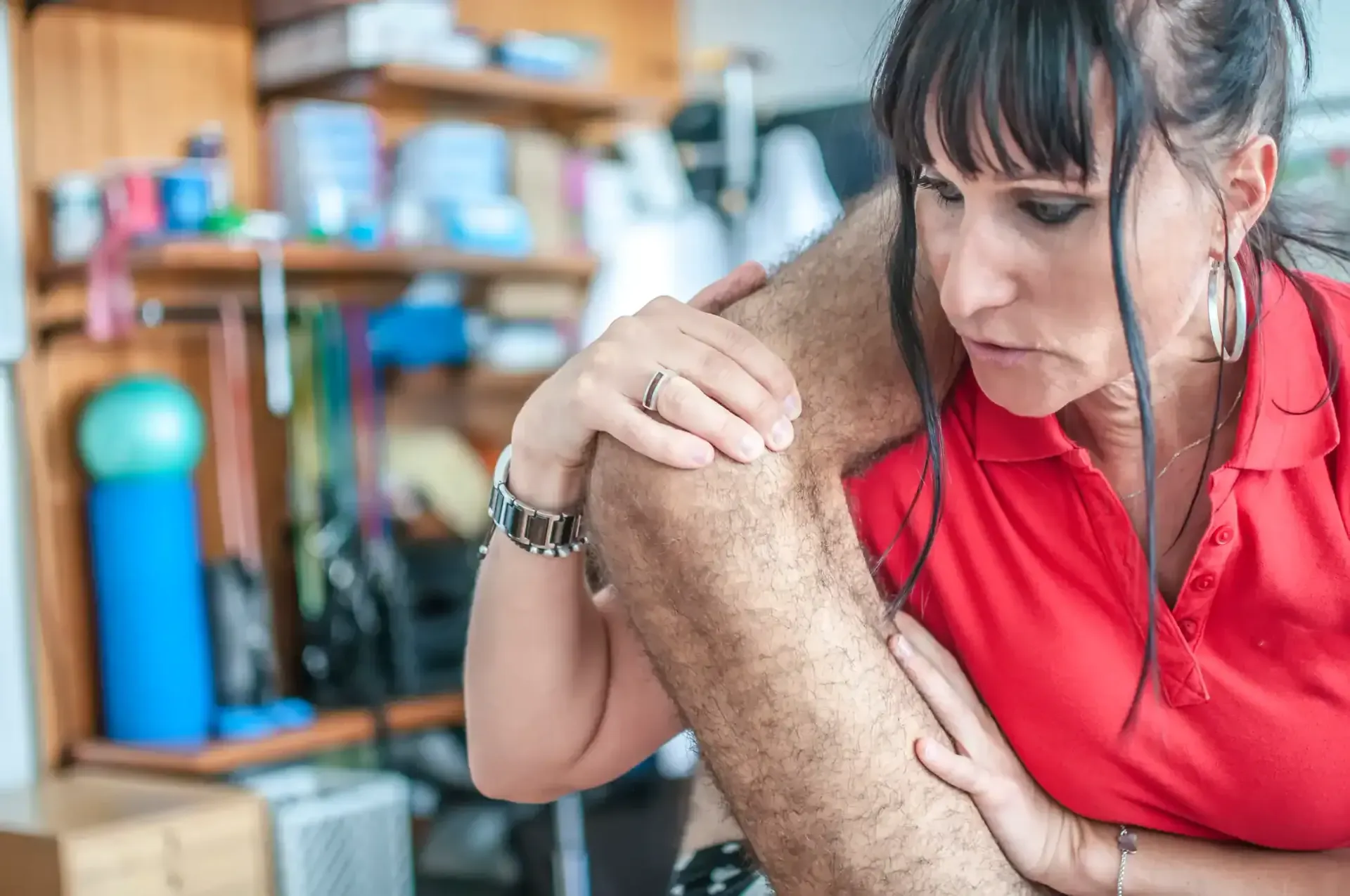
The Activator Method uses a small, handheld instrument that delivers a quick, controlled impulse to specific joints. It’s fast, precise, and comfortable—even for people with conditions that make traditional adjustments risky.
Here’s how it works. We perform tests to identify where your spine or joints are misaligned or restricted. Once we’ve pinpointed the problem, we use the Activator to deliver a precise, low-force impulse to that spot. The adjustment happens so quickly that your muscles don’t have time to tense up, which makes the treatment more comfortable and effective.
Because the force is controlled and minimal, the Activator is safe for people with arthritis, osteoporosis, or fibromyalgia. It’s also a good option if you’re nervous about traditional chiropractic adjustments or if you’ve had a bad experience in the past. Many patients say they barely feel anything during the adjustment, but they notice a significant difference in how they move afterward.
The technique is tailored to your body. We can adjust the force based on your age, condition, and comfort level. It’s not one-size-fits-all. It’s personalized care that meets you where you are.
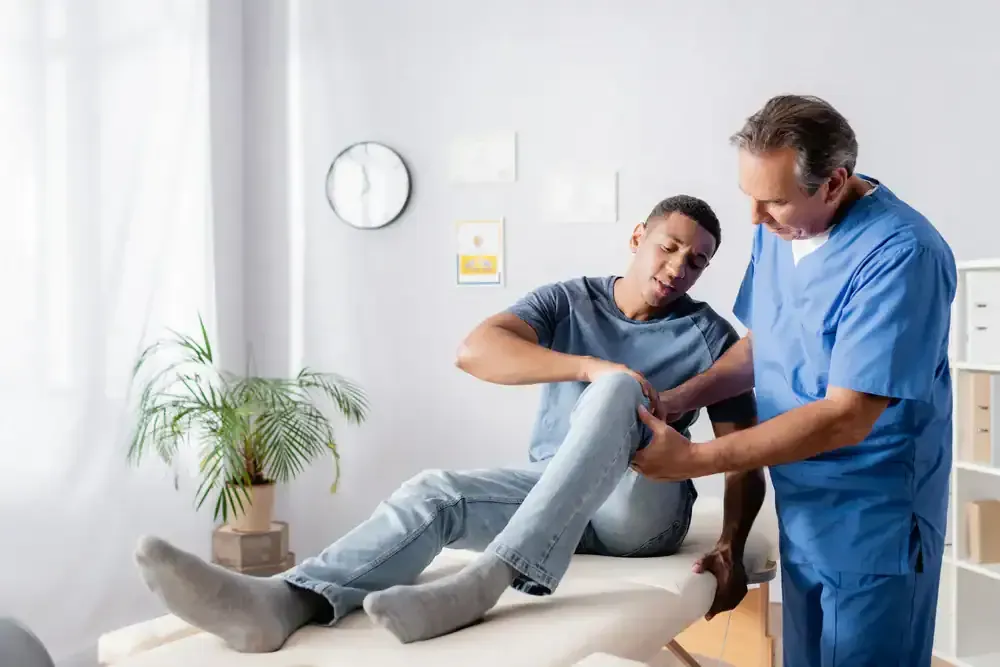
And it’s not just about your spine. The Activator can be used on shoulders, hips, knees, ankles—anywhere you’re experiencing stiffness. For seniors dealing with multiple areas of joint pain, that flexibility matters. You’re not just treating one problem. You’re addressing your whole body’s ability to move comfortably.
Why Mobility Exercises Matter After Adjustments
Chiropractic adjustments get your joints moving properly again. But maintaining that mobility requires movement on your part too. That’s where mobility exercises for seniors come in.
Think of it this way: adjustments realign the joint and remove restrictions. Movement keeps it that way. When you move a joint, you’re increasing blood flow, stimulating synovial fluid production, strengthening supporting muscles, and improving range of motion. All of that supports long-term joint health.
This is why people with arthritis often feel better after they’ve been moving for a while. That morning stiffness improves once you get up and start your day. The ache in your knee eases after a short walk. Your body is literally lubricating itself through movement.
But not all movement is created equal. High-impact activities or repetitive motions that strain already-damaged joints can make things worse. That’s why working with a chiropractor who understands senior care is valuable. We can guide you toward movements and exercises that support joint health without causing additional wear and tear.
Simple activities make a difference. Gentle stretching in the morning. Walking around your neighborhood. Chair exercises while you watch TV. Even reaching for items on different shelves throughout the day counts as movement. You don’t need a gym membership. You just need to keep your body in motion.
Staying mobile isn’t just about avoiding pain. It’s about maintaining your independence, reducing your risk of falls, and continuing to do the things you enjoy. Whether that’s playing with your grandkids, working in your garden, or just getting through your day without discomfort, movement is the foundation. And chiropractic care helps you keep moving safely.
Get Back to Living Without Stiffness Holding You Back
Joint stiffness and arthritis pain are common, but they’re not something you have to live with. The idea that aging automatically means losing mobility is a myth. With the right care, you can manage your symptoms, improve your range of motion, and maintain the independence that matters to you.
Gentle chiropractic care offers a safe, effective way to address the root causes of joint stiffness—without surgery, without heavy medications, and without aggressive adjustments that make you nervous. Techniques designed for older adults provide precise, low-force care that supports your body’s natural healing process.
If you’re in Hudson County, NJ and you’re tired of letting stiffness dictate your day, it’s time to explore what chiropractic care can do for you. We’ve been serving the Bayonne community for over 40 years, helping seniors stay active, reduce pain, and live fuller lives. You deserve care that understands your needs and respects your comfort.