Summary:
What Is Plantar Fasciitis and Why Does It Keep Coming Back?
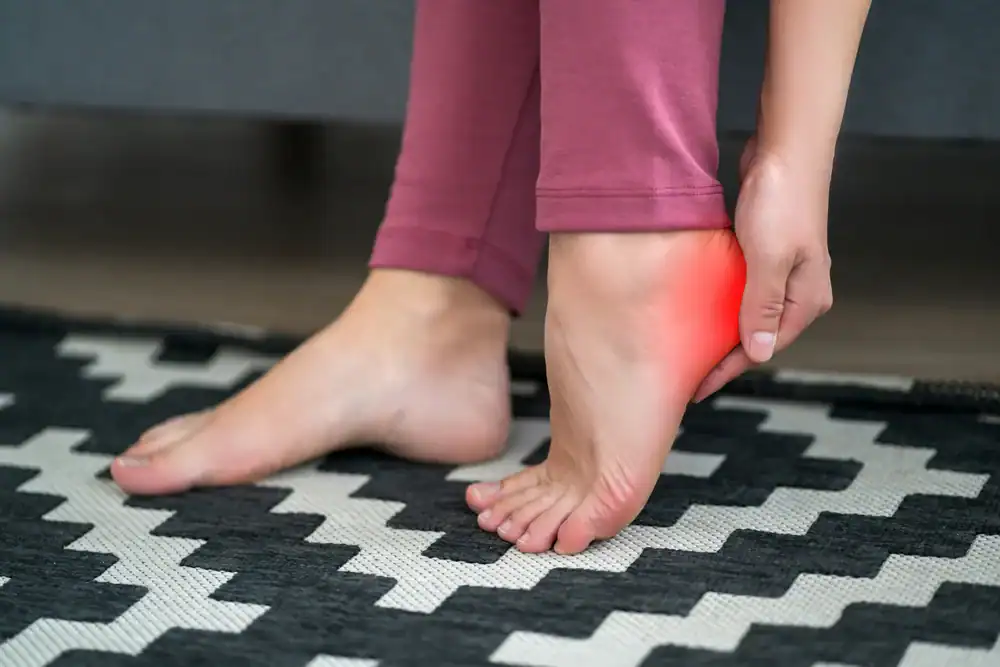
Plantar fasciitis is inflammation of the thick band of tissue running along the bottom of your foot, from your heel to your toes. It’s supposed to act like a shock absorber, but when it gets overloaded, it develops tiny tears and gets angry. That’s the sharp, stabbing pain you feel when you stand up after sitting or sleeping.
About 2 million people in the U.S. get treated for this every year. It’s one of the most common foot complaints out there, especially for people between 40 and 60. And here’s the frustrating part: most treatments focus on the foot itself—ice, stretches, inserts, injections. They might help short-term, but they don’t answer the real question.
Why is your plantar fascia getting overloaded in the first place? That’s where the kinetic chain comes in.
The Kinetic Chain: Why Your Hips Control Your Heel Pain
Your body doesn’t move in isolated parts. It moves in a chain. When you walk, your foot hits the ground, your ankle rolls, your knee bends, your hip stabilizes, and your pelvis stays level. Everything is connected. If one link in that chain isn’t doing its job, the others have to pick up the slack.
Here’s what happens when your hips are weak, tight, or misaligned. Your hip muscles—especially your glutes—are supposed to control how your leg moves and absorbs force. When they’re not firing correctly, your leg rotates inward, your knee collapses slightly, and your foot pronates more than it should. That extra rolling motion puts a ton of stress on your arch.
Over time, your plantar fascia is taking on way more load than it was designed for. It’s like asking a rope to hold up a bridge. Eventually, it’s going to fray. The problem isn’t the rope. It’s what you’re asking it to do.
And this is why foot massages don’t fix plantar fasciitis. You’re loosening the tissue, sure, but you’re not changing the mechanics that caused it to tighten up in the first place. The next time you walk, your hips are still weak, your gait is still off, and your foot is still absorbing too much force. The pain comes back because the root cause is still there.
A plantar fasciitis chiropractor who understands the kinetic chain doesn’t just treat your foot. We assess your entire lower body to figure out where the breakdown is happening. That might mean checking your hip alignment, testing your glute strength, or watching how your pelvis moves when you walk. It’s a completely different approach, and it’s why some people get permanent relief while others are stuck in a loop of temporary fixes.
Tight Calves, Misaligned Hips, and the Fascia Connection
Let’s talk about tight calves for a second. Your calf muscles connect to your Achilles tendon, which connects to your heel, which connects to your plantar fascia. When your calves are chronically tight—whether from sitting all day, wearing heels, or just never stretching—they pull on your heel. That tension travels right down into the bottom of your foot.
Now add in hip misalignment. When your hips aren’t level or your pelvis tilts forward, your entire leg has to compensate. Your knee might rotate inward. Your ankle might collapse. Your foot might overpronate. All of that puts even more strain on the plantar fascia. It’s like a domino effect, and your foot is the last domino to fall.
This is where gait analysis becomes crucial. A chiropractor trained in kinetic chain assessment can watch you walk and immediately spot the patterns that are causing the problem. Are you toeing out? Is one hip dropping? Is your stride uneven? These aren’t just quirks. They’re clues.
And here’s the thing: you probably don’t even notice these patterns. You’ve been walking this way for years. Your body has adapted. But adaptation doesn’t mean it’s working well. It just means your body found a way to keep moving, even if that way is causing damage over time.
When we identify the root cause—whether it’s hip weakness, calf tightness, or a gait imbalance—we can address it directly. That might include adjustments to realign your pelvis, soft tissue work to release tight calves, or exercises to strengthen your glutes and improve how your hips stabilize your leg. The goal isn’t just to make your heel feel better. It’s to fix the mechanics so your heel stops getting overloaded.
That’s the difference between symptom management and actual healing. And that’s why finding the best chiropractor for foot pain means finding someone who looks at the whole picture, not just the part that hurts.
Want live answers?
Connect with a DR Roses expert for fast, friendly support.
How a Gait Analysis Reveals the Real Cause of Heel Pain
A gait analysis is exactly what it sounds like: we watch how you walk. But it’s not casual observation. We’re looking at specific things—how your foot strikes the ground, how your ankle rolls, whether your knee tracks straight, how your hips move, and whether your pelvis stays level. Every one of those movements tells a story.
For example, if your foot flares out when you walk, that’s a red flag. It usually means your hip isn’t rotating properly, so your foot compensates. If one hip drops lower than the other, that’s another sign of weakness or imbalance. If your heel slams into the ground instead of rolling smoothly, that’s poor shock absorption—and your plantar fascia is paying the price.
The best part about gait analysis is that it’s objective. You’re not guessing. You’re seeing exactly what’s happening in real time, and that makes it easier to understand why your foot hurts and what needs to change.
What Happens During a Kinetic Chain Assessment at Roses Chiropractic
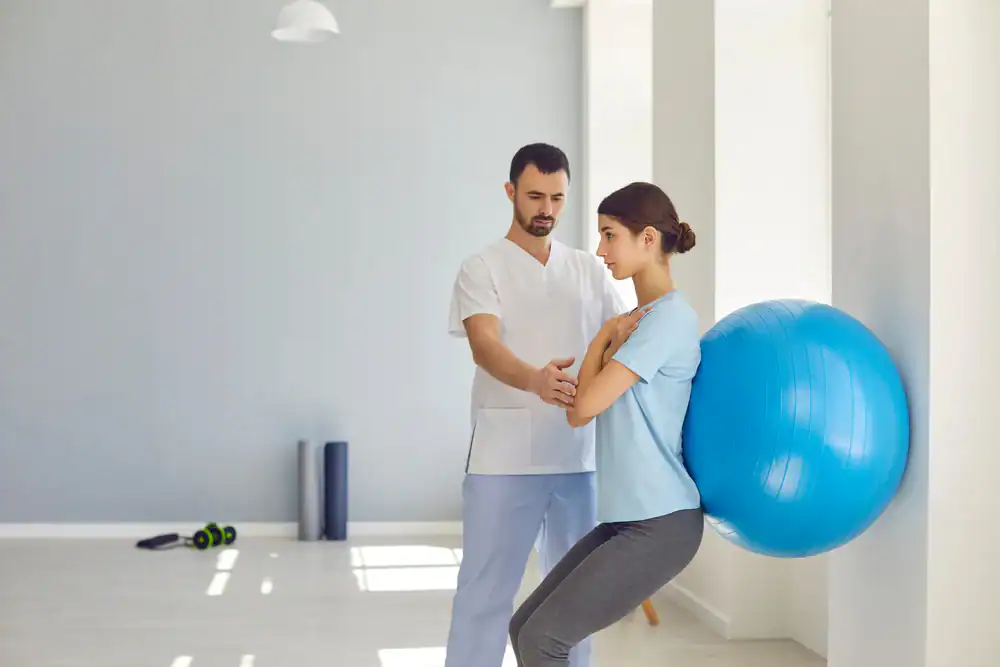
At Roses Chiropractic in Hudson County, NJ, we start by asking about your pain. When does it hurt most? What makes it better or worse? How long have you been dealing with it? Then we watch you walk. Not on a treadmill with sensors (though those exist). Just you, walking naturally, so we can see how your body actually moves in everyday life.
We’re looking for asymmetries. Is one leg doing more work than the other? Is your pelvis tilting? Are your feet pronating excessively? We’ll also check your hip range of motion, test your glute strength, and feel for tightness in your calves and hamstrings. All of this happens in a matter of minutes, but it gives a complete picture of what’s going on.
Then comes the explanation. We don’t just tell you what’s wrong. We show you. We’ll walk you through the kinetic chain, explain how your hips are affecting your feet, and point out the specific imbalances that are causing your plantar fasciitis. This is the “light bulb moment” most people talk about—the moment you finally understand why all those other treatments didn’t work.
From there, the treatment plan is tailored to you. It might include chiropractic adjustments to realign your hips and pelvis. It might include soft tissue work to release tight calves or hamstrings. It might include specific exercises to strengthen your glutes and improve your gait. The goal is always the same: fix the root cause so your body stops overloading your plantar fascia.
And here’s what makes this approach different from just going to a podiatrist or physical therapist. As a foot and ankle chiropractic specialist, we’re trained to look at the whole body. We understand that your spine, pelvis, hips, knees, ankles, and feet all work together. When one part is off, the whole system suffers. That’s why heel pain relief in Hudson County, NJ starts with a full kinetic chain assessment—not just a prescription for orthotics.
Why the Best Chiropractor Looks Beyond Your Foot
Most people who come in for plantar fasciitis have already tried something. They’ve seen a podiatrist. They’ve bought inserts. They’ve iced and stretched and rested. And none of it worked long-term. That’s because they were treating the symptom, not the cause.
The best chiropractor for plantar fasciitis doesn’t assume your foot is the problem just because that’s where it hurts. We know that pain is your body’s way of saying something is wrong upstream. Maybe your hips are weak and your leg is collapsing inward with every step. Maybe your calves are so tight they’re pulling on your heel all day. Maybe your gait is so uneven that one foot is doing twice the work of the other.
Whatever the cause, it’s not going to show up on an X-ray of your foot. It’s going to show up in how you move. And that’s why gait analysis and kinetic chain assessment are so powerful. They reveal the patterns you can’t see or feel but that are causing real damage over time.
Here’s another thing most people don’t realize: plantar fasciitis doesn’t just affect your foot. When your heel hurts, you change how you walk. You might limp. You might shift your weight. You might avoid pushing off with that foot. All of those compensations create new problems—knee pain, hip pain, low back pain. Before long, you’re not just dealing with a sore heel. You’re dealing with a whole chain of issues.
A chiropractor who understands this can stop that cascade before it starts. By fixing your gait and realigning your kinetic chain, we’re not just treating your current pain. We’re preventing future injuries. That’s why people who get kinetic chain-based treatment for plantar fasciitis often say they feel better overall, not just in their feet.
And that’s the difference between a quick fix and real healing. A quick fix makes the pain go away for a little while. Real healing addresses the root cause so the pain doesn’t come back.
Get Permanent Heel Pain Relief with a Kinetic Chain Approach
If you’ve been dealing with plantar fasciitis for months—or even years—and nothing has worked, it’s time to look beyond your foot. The real problem is usually higher up the chain: tight calves, weak hips, misaligned pelvis, or a gait pattern that’s putting too much stress on your arch.
The best chiropractor in Hudson County, NJ doesn’t just treat where it hurts. We figure out why it hurts and fix the mechanics that caused it. That means gait analysis, kinetic chain assessment, and a treatment plan that’s built around your body—not a one-size-fits-all protocol.
At Roses Chiropractic, we’ve been helping people in Bayonne and throughout Hudson County, NJ solve chronic pain for over 30 years. If you’re tired of temporary fixes and ready for a real solution, it’s time to see what a full kinetic chain approach can do for your feet—and the rest of your body.