
Hear from Our Customers
You didn’t get injured sitting still. Van Vorst Park residents bike, hike, walk, and stay active—it’s part of who you are. When a sports injury happens, you need more than temporary relief.
You need someone who understands how your body moves and what it takes to get back to full function. Not just pain management, but actual recovery that addresses the root cause so you’re not dealing with the same issue three months from now.
That means proper assessment, targeted treatment, and a plan that gets you moving again without the constant fear of re-injury. Most people who come in are frustrated because they’ve tried rest, ice, and over-the-counter solutions that barely touch the problem. What works is identifying exactly what’s wrong, treating the underlying dysfunction, and rebuilding strength and mobility the right way.
We’ve been serving active individuals in Van Vorst Park, NJ and throughout Hudson County with specialized care for sports injuries. We’re not a quick-adjustment clinic that rushes you out the door.
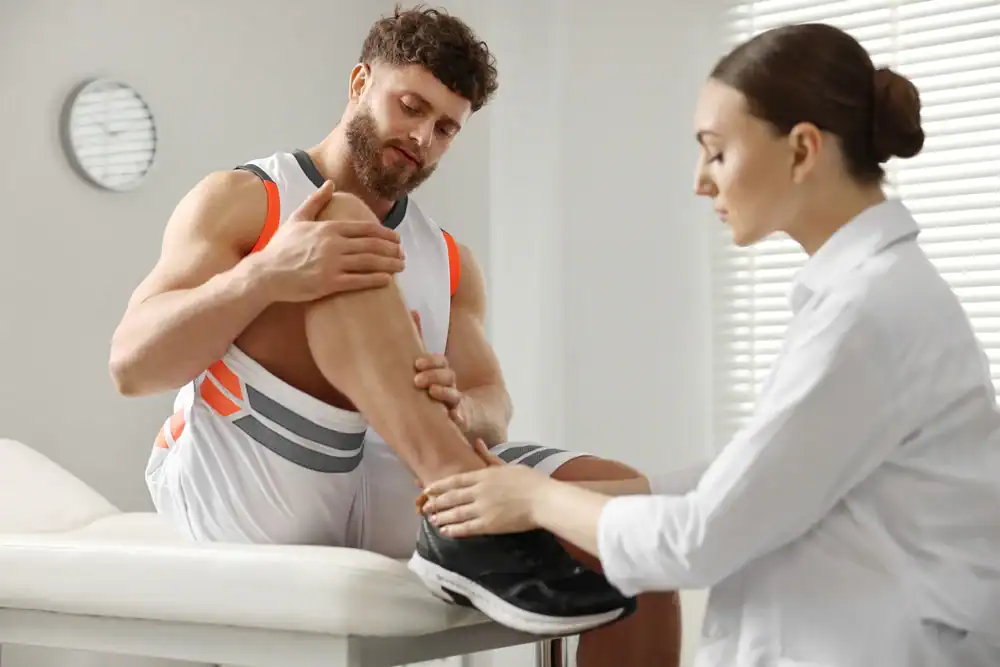
Every appointment starts with a comprehensive movement assessment and targeted exam. That includes orthopedic and neurological evaluations, and when needed, we coordinate X-rays or MRIs to see exactly what’s happening beneath the surface.
Van Vorst Park is one of Jersey City’s most walkable, active neighborhoods. You’re surrounded by trails, parks, and a community that values movement. We get that your injury isn’t just a physical setback—it’s affecting your routine, your stress relief, and your identity. Our job is to help you reclaim all of it.
First, we listen. You’ll explain what happened, what hurts, and what you’ve already tried. Then we assess—not just the injury site, but how your whole body is compensating.
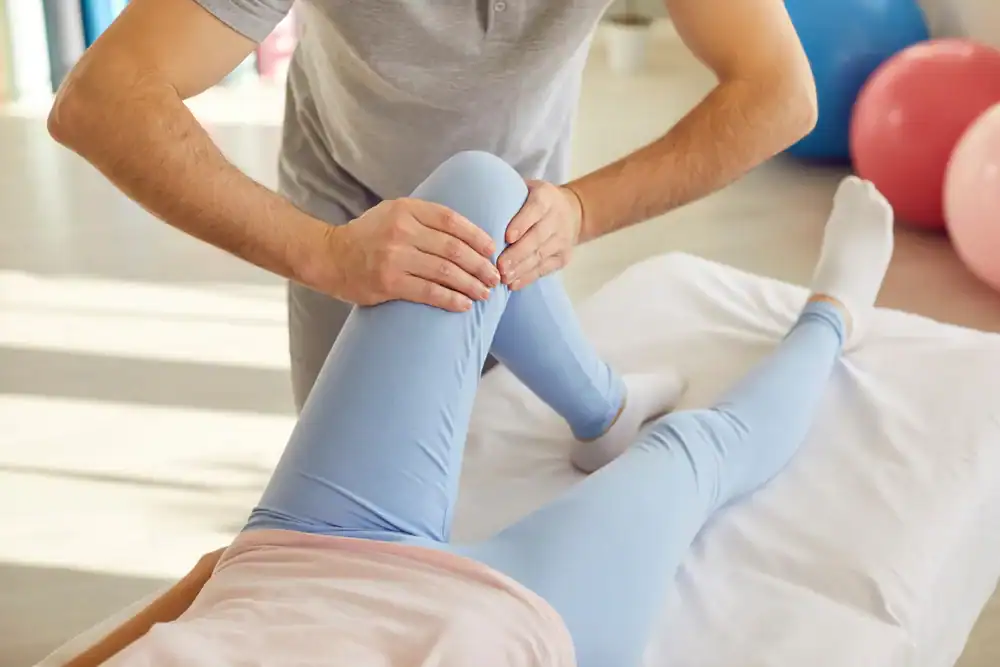
From there, we build a treatment plan. That might include spinal adjustments, extremity work for ankles or knees, soft tissue therapy, and rehab exercises designed to restore function and prevent future problems. You’re not getting a one-size-fits-all protocol.
Treatment frequency depends on severity. Acute injuries might need more frequent visits up front, then taper as you improve. Chronic issues take longer but respond well to consistent care. Either way, you’ll know what to expect before we start. No surprises, no upselling, no vague timelines.
Ready to get started?
You’re getting full-body chiropractic care, not just spinal adjustments. That means we treat ankles, knees, hips, shoulders, elbows—wherever the injury is. Sprains, strains, ligament damage, overuse injuries, and post-activity pain all fall under what we handle daily.
We also focus on prevention. In Van Vorst Park, NJ, where residents rank walking, biking, and hiking among their top activities, overuse injuries are common. You’re active, but that doesn’t mean your movement patterns are optimal. Small imbalances add up, and eventually something gives.
Our approach includes biomechanical screening to catch those issues early, along with exercises and adjustments that keep your body balanced. If you’re training for something specific or just want to stay active without constant setbacks, this is how you do it. We also coordinate with other providers when needed—physical therapists, orthopedists, or sports medicine doctors—because good care sometimes requires a team.

It depends on the injury type and how long you’ve been dealing with it. Acute injuries like ankle sprains or muscle strains typically respond within a few weeks if you’re consistent with treatment and follow the rehab plan.
Chronic issues—things you’ve been ignoring for months or years—take longer. Your body has compensated, and we need to retrain movement patterns while addressing the original problem. Most people start feeling better within the first few visits, but full recovery and prevention work can take several weeks to a few months.
What speeds things up is showing up, doing the exercises, and not pushing through pain when your body needs rest. Approximately 90% of athletes return to full activity after proper treatment, but that stat only holds if you actually complete the process.
Yes. A lot of people think chiropractors only work on backs, but sports injury treatment includes extremity adjustments. Knees, ankles, shoulders, elbows—if it’s a joint or soft tissue injury, it’s within scope.
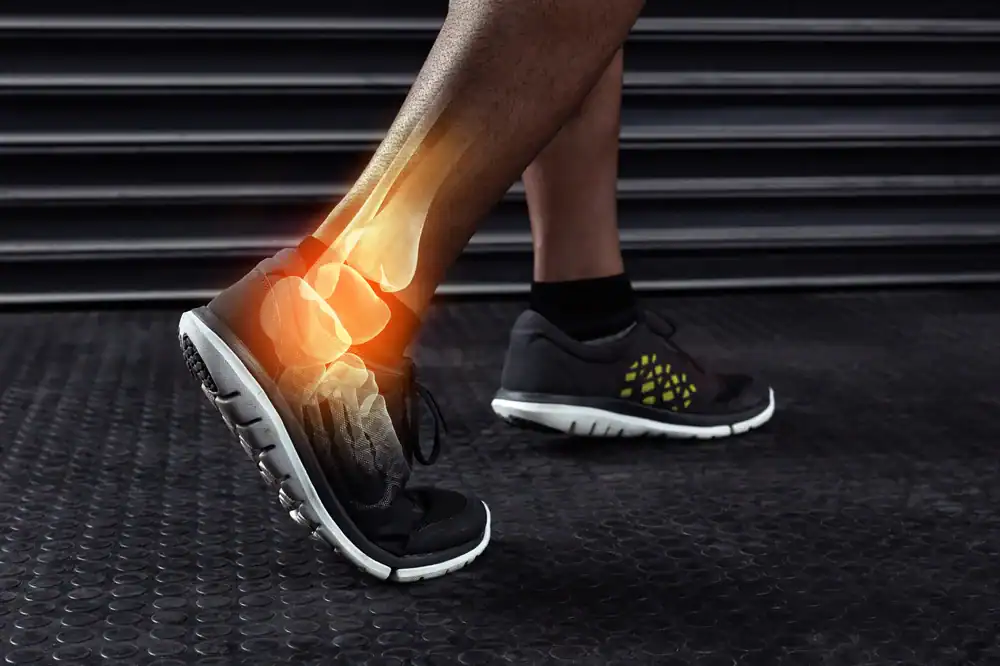
Lower limb injuries account for more than half of all sports injuries, with knees and ankles leading the list. We assess how the joint is moving, check for misalignment or restricted motion, and treat the area directly. That might include adjustments, soft tissue work, or rehab exercises to restore stability and strength.
If you’ve sprained your ankle or tweaked your knee and it’s not healing right, there’s usually a mechanical issue that needs hands-on treatment. Rest alone won’t fix it, and ignoring it increases your risk of chronic problems or re-injury down the line.
Chiropractic care focuses on joint alignment, nervous system function, and how your body moves as a whole. Physical therapy emphasizes strengthening, range of motion, and functional movement. Both work, and sometimes you need both.
At Roses Chiropractic, we incorporate rehab exercises and movement training into treatment, so there’s overlap. The difference is we’re also adjusting joints, addressing spinal alignment, and treating the root cause of dysfunction—not just the symptoms.
For a lot of sports injuries in Van Vorst Park, NJ, chiropractic care gets you back faster because we’re correcting the mechanical issues that caused the injury in the first place. If you need more intensive rehab or post-surgical care, we’ll refer you to a physical therapist and coordinate treatment so you’re getting the best of both approaches.
Not always. Most sports injuries can be assessed and treated based on a thorough physical exam and movement evaluation. We’ll know pretty quickly if imaging is necessary.
If there’s a concern about fractures, severe ligament damage, or deep tissue injuries that aren’t responding to initial treatment, we’ll coordinate X-rays or MRI. High-resolution imaging helps us see exactly what’s going on and adjust the treatment plan accordingly.
You won’t be sent for unnecessary tests, but we also won’t guess if imaging would give us critical information. The goal is accurate diagnosis and effective treatment, and sometimes that requires a closer look. When it does, we handle the referral and make sure you understand what we’re looking for and why.
If you can’t bear weight, the pain is severe and getting worse, or you heard a pop followed by swelling and instability, get it checked immediately. Those are signs of significant damage that won’t improve on its own.
For less severe injuries—lingering soreness, stiffness, or pain that comes and goes—you can usually wait a few days to see if it improves with rest and ice. But if it’s not better within a week, or if it’s affecting your ability to move normally, don’t wait longer.
Early treatment prevents acute injuries from becoming chronic problems. A lot of people in Van Vorst Park, NJ push through pain because they don’t want to lose momentum with their training or daily routine. That’s how minor issues turn into major setbacks. If you’re questioning whether you need care, you probably do.
Yes, if prevention is part of the plan. Treating the current injury is step one. Step two is identifying why it happened and fixing those underlying issues so it doesn’t happen again.
That includes looking at movement patterns, muscle imbalances, joint mobility, and how your body handles the demands you’re placing on it. We’ll give you exercises, adjustments, and strategies that keep you functional and resilient.
Sports injuries often happen because something was already off—tight hips, weak stabilizers, poor ankle mobility—and your body compensated until it couldn’t anymore. Addressing those things reduces your risk significantly. Most people who commit to the full process, including the prevention work, stay active without constant setbacks. That’s the goal.