
Hear from Our Customers
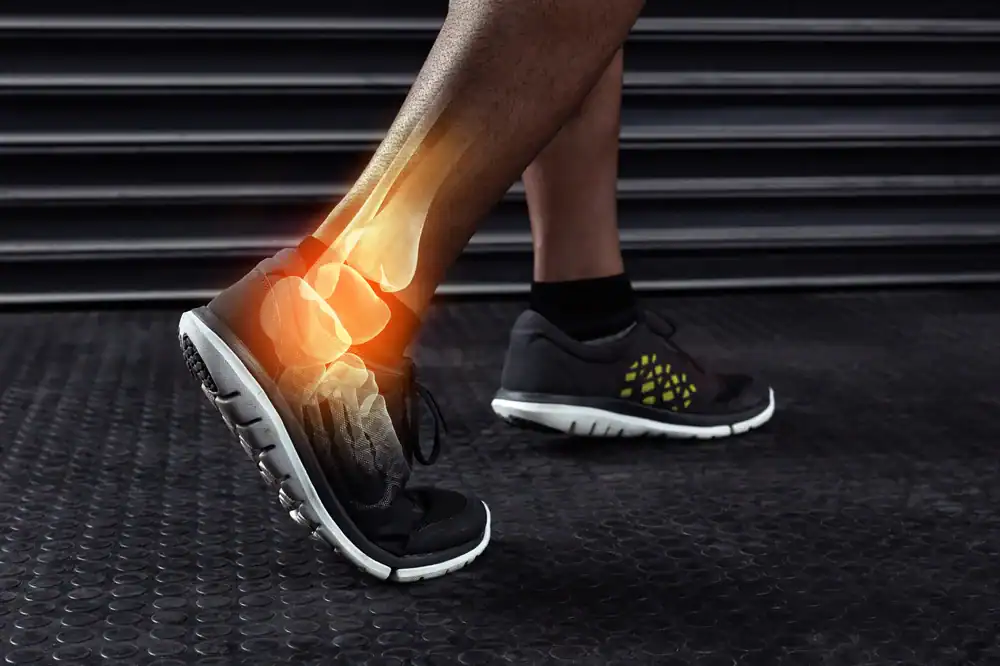
When you’re sidelined with a sports injury, you don’t need vague promises. You need a clear path back to full strength. That’s what happens here.
You’ll get a treatment plan built around your specific injury, your sport, and your schedule. Not a cookie-cutter approach that treats everyone the same. Whether it’s a pulled muscle from pickup basketball at Pershing Field, a nagging shoulder issue from swimming, or chronic knee pain that won’t quit, the focus stays on getting you functional again.
Most people who come in dealing with sports injuries in The Heights, NJ are surprised by how quickly they start feeling relief. That’s because our approach isn’t just about masking pain. It’s about addressing what’s actually causing it, strengthening what’s weak, and preventing it from happening again. You’ll know what’s wrong, what needs to happen, and how long it should take.
We’ve been treating athletes and active individuals in The Heights, NJ for years. This isn’t a practice that just opened last month or one that treats sports injuries as an afterthought.
The Heights is full of people who stay active—families using the baseball fields at Pershing Field, young professionals training for races, weekend warriors who refuse to slow down. That’s the exact type of patient who walks through our door. Our treatment approach reflects that reality.
You’re not going to get lectured about resting for six months or told to just “take it easy.” You’ll get honest guidance on what your body can handle, what it can’t yet, and how to bridge that gap safely.
Your first visit starts with a real conversation. Not a rushed five-minute check-in, but an actual consultation where you explain what happened, what hurts, and what you’ve already tried. That matters because a lot of sports injuries in The Heights, NJ don’t happen from one dramatic moment—they build up over time from repetitive stress or poor movement patterns.
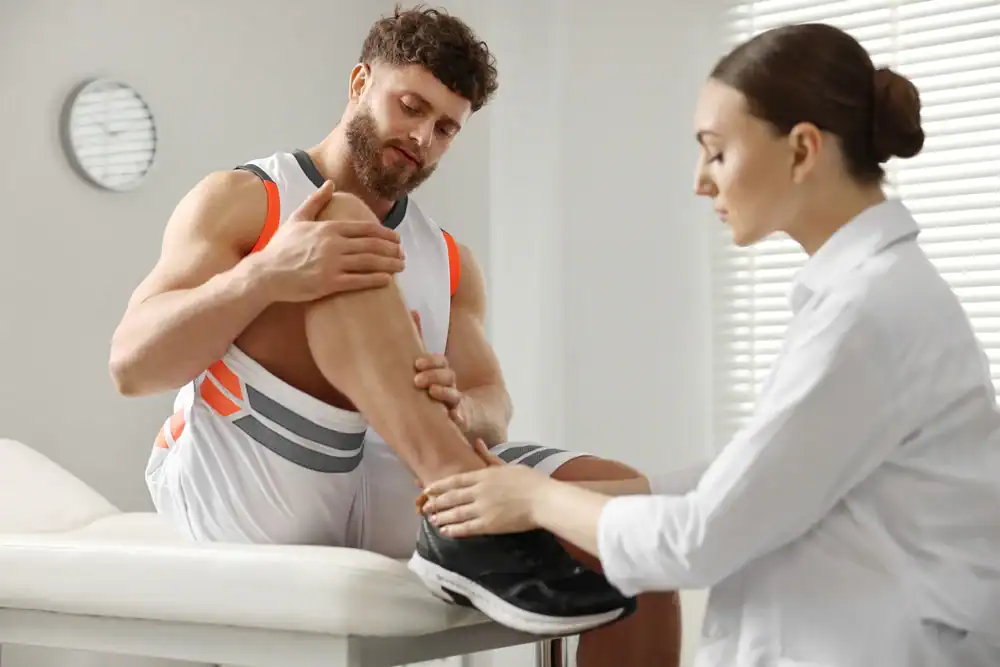
From there, you’ll go through a physical assessment. This isn’t just poking around to see what hurts. It’s a systematic look at how your body moves, where you’re compensating, and what’s actually causing the problem versus what’s just reacting to it.
Once that’s clear, you’ll get a treatment plan. This usually includes adjustments to restore proper joint function, soft tissue work to address muscle tension or scar tissue, and specific exercises you can do on your own. Some people need to come in weekly for a few weeks. Others need twice a week initially, then taper off. It depends entirely on the severity of your injury and how your body responds.
Ready to get started?
When you’re getting treatment for sports injuries in The Heights, NJ, you’re not just getting adjusted and sent on your way. The care here is more complete than that.
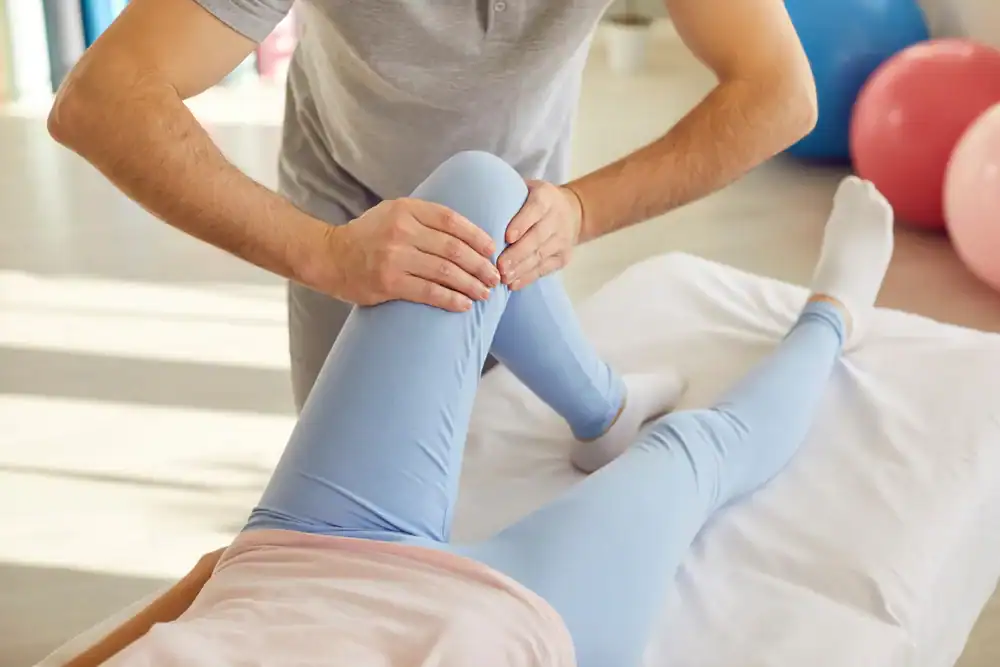
You’ll receive chiropractic adjustments that target the joints and areas directly affected by your injury. You’ll also get soft tissue therapy—things like myofascial release or targeted muscle work—that addresses the connective tissue, tendons, and ligaments involved. If you need it, athletic taping or bracing might be part of the plan to support healing while you stay active.
Beyond hands-on treatment, you’ll learn specific stretches and exercises designed to strengthen weak areas and prevent re-injury. This is especially important for athletes in The Heights who are constantly using the parks, fields, and recreational facilities around Pershing Field. Your body needs to be prepared for the demands you’re putting on it.
Most insurance plans cover chiropractic care for sports injuries, and we accept most major carriers. If you’re paying out of pocket, sessions typically run between $30 and $200 depending on what’s involved, with most falling around $65. You’ll know the cost upfront—no surprises.

Recovery time depends entirely on what you’re dealing with and how severe it is. A mild muscle strain might feel significantly better within a week or two. A more serious ligament injury or chronic issue that’s been building for months could take several weeks of consistent treatment.
Most people treating sports injuries in The Heights, NJ come in once or twice a week initially. As you improve, visits spread out. You’re not locked into some long-term contract. The goal is to get you better and keep you better, not keep you coming back indefinitely.
What speeds up recovery is how well you follow through outside of appointments. If you’re doing the exercises, managing your activity level appropriately, and not ignoring warning signs, you’ll heal faster. If you’re skipping the rehab work and jumping back into full activity too soon, you’ll drag it out or make it worse.
Sometimes yes, sometimes no. It depends on the injury and the sport. A mild hamstring strain might let you keep doing low-impact activities while you heal. A severe ankle sprain probably means you need to take a break from anything that loads that joint.
The conversation here isn’t about being overly cautious or reckless. It’s about being smart. You’ll get clear guidance on what movements are safe, what you should avoid, and how to modify your training if you can stay active. For athletes dealing with sports injuries in The Heights, NJ who are used to being active daily, this matters a lot.
Pushing through pain isn’t tough—it’s stupid. But completely shutting down when you don’t need to can cause other problems. You’ll know exactly where that line is for your specific situation, and the plan adjusts as you heal.
The most common issues are muscle strains, ligament sprains, joint pain, and overuse injuries. Think pulled hamstrings, rotator cuff problems, knee pain from running, lower back issues from lifting, tennis elbow, and chronic neck tension from poor posture during training.
As a sports injury chiropractor in The Heights, NJ, we see a lot of recreational athletes—not just professionals. That means treating injuries from weekend softball leagues, gym workouts, running, cycling, swimming at Pershing Field, and even injuries that happen from yard work or playing with kids at the park.
Chiropractic care works well for these injuries because it addresses both the joint dysfunction and the soft tissue damage. You’re not just getting one piece of the puzzle. You’re getting comprehensive treatment that looks at why the injury happened in the first place, not just what hurts right now.
Chiropractic treatment is one of the safest non-invasive options for treating sports injuries. That’s not marketing talk—it’s backed by research. The risk of serious complications is extremely low, especially compared to more invasive treatments or long-term medication use.
That said, chiropractic care isn’t the right fit for every injury. If you’ve got a fracture, a complete ligament tear that needs surgery, or something that requires imaging and specialist intervention, we’ll refer you out. We know when to treat and when to send you somewhere else.
For the vast majority of muscle, joint, and soft tissue injuries that athletes in The Heights, NJ deal with, chiropractic care is not only safe but highly effective. You’re getting hands-on treatment from someone trained specifically in musculoskeletal issues, which is exactly what most sports injuries are.
Anyone dealing with a sports injury can come in, whether you’re training for a marathon or you tweaked your back playing catch with your kids. You don’t need to be a competitive athlete to benefit from this type of care.
The term “sports injury” really just means an injury that happened during physical activity. That includes recreational sports, gym workouts, hiking, biking, or any movement-related activity. If you’re active and you got hurt doing something active, this is the right place.
A lot of patients dealing with sports injuries in The Heights, NJ are regular people who want to stay healthy and keep doing what they enjoy. They’re not trying to win championships—they’re trying to keep up with their lives without pain. Our treatment approach is the same regardless of your athletic status: figure out what’s wrong, fix it, and prevent it from happening again.
Maybe. It depends on what happened and what the initial assessment reveals. If there’s any concern about a fracture, significant structural damage, or something that doesn’t add up during the physical exam, imaging makes sense. You’re not going to get unnecessary X-rays just because it’s standard protocol.
Most soft tissue injuries—strains, sprains, muscle pulls—don’t require imaging. The diagnosis comes from the physical exam, your description of what happened, and how your body responds to specific tests. If imaging is needed, you’ll know why and what it’s looking for.
For athletes in The Heights, NJ dealing with chronic or recurring sports injuries, imaging can sometimes reveal underlying issues that explain why you keep getting hurt. That information changes the treatment plan and helps prevent future problems. But it’s not automatic for everyone who walks in the door.