
Hear from Our Customers
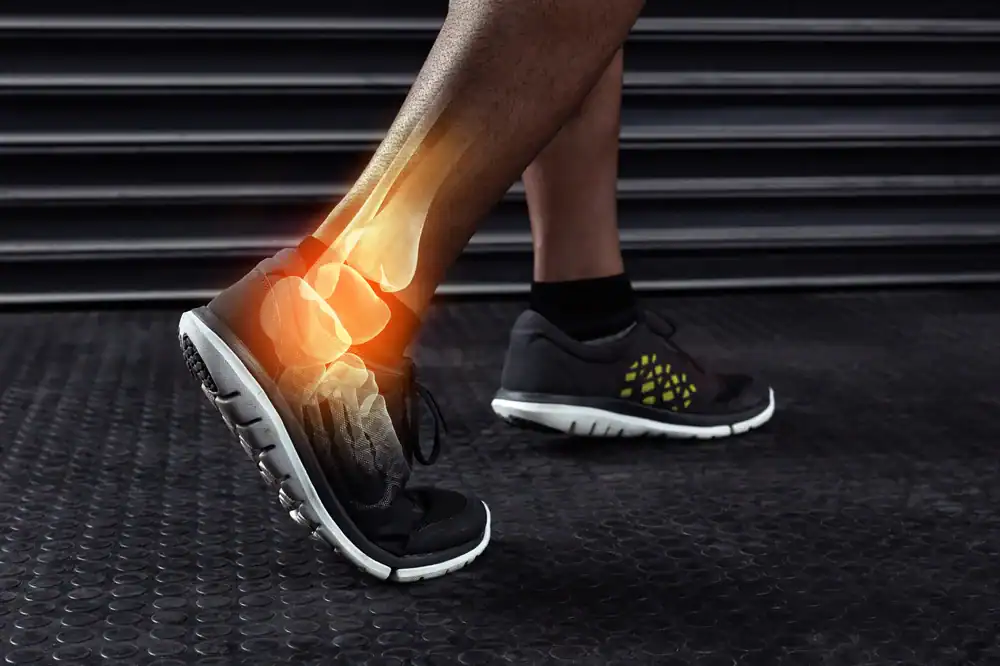
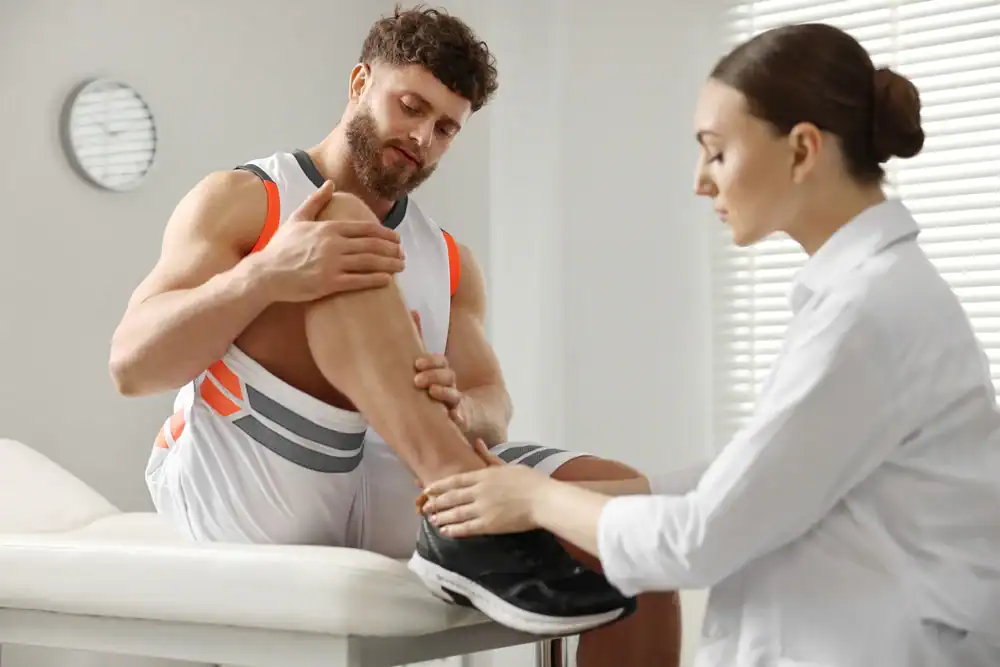
You’re not looking for someone to tell you to rest and ice it. You already know that. You need someone who understands the difference between a runner’s IT band issue and a basketball player’s ankle sprain—and how to treat each one so you actually get back to playing, not just back to walking.
Most athletes who come through here are dealing with one of two problems: either they’re stuck in a cycle of re-injury because the root cause was never addressed, or they’re being told to just take it easy when what they really need is a structured plan to rebuild strength and mobility. Both waste your time.
Here’s what changes after treatment. You move without compensating. Your body stops guarding the injury. And when you push yourself in practice or competition, you’re not waiting for something to give out. That’s not luck—that’s what happens when we actually fix the mechanical problem causing your pain, then give you the tools to keep it from coming back.
Dr. Paul Roses has been practicing in this area for over three decades. That means he’s treated the high school soccer players from the Heights, the weekend warriors running along the waterfront, and the office workers in Newport who throw their backs out playing pickup basketball on Saturdays.
He’s seen what works and what doesn’t. And after 30+ years, the approach here isn’t about quick fixes or telling you what you want to hear. It’s about identifying why the injury happened, treating the actual problem, and making sure your body can handle the demands of your sport long-term.
Paulus Hook athletes deal with unique challenges—concrete running surfaces, limited outdoor training space in winter, and the tendency to go from zero activity during the work week to full intensity on weekends. We factor all of that into your treatment plan.
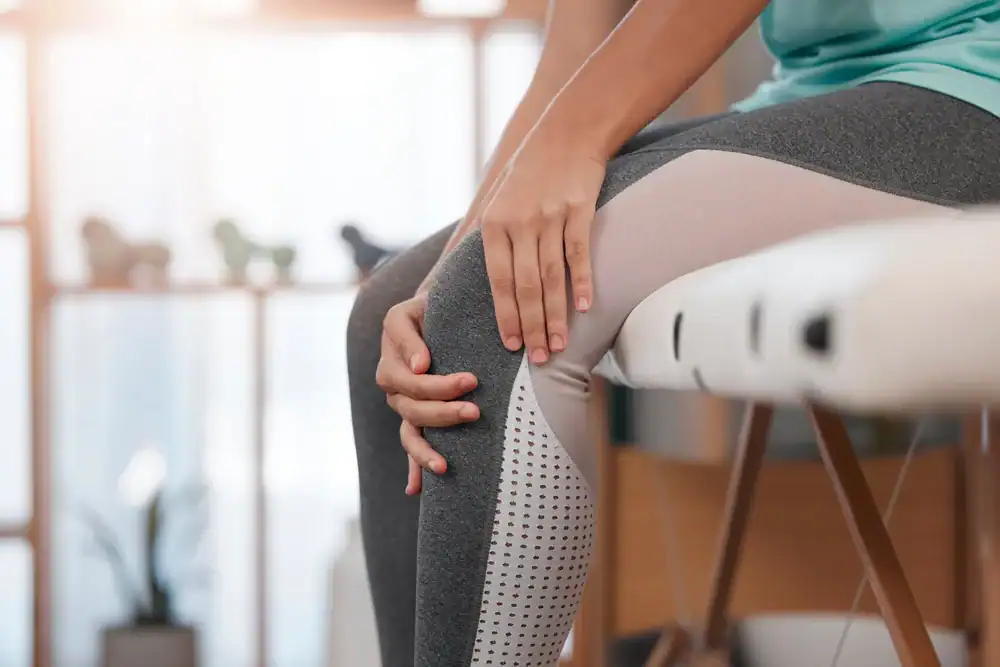
First visit starts with a real assessment. Not a quick look and a standard adjustment. You’ll go through a functional evaluation that identifies exactly where the breakdown is happening—whether that’s a mobility restriction, a compensation pattern, or an alignment issue that’s putting stress where it shouldn’t be.
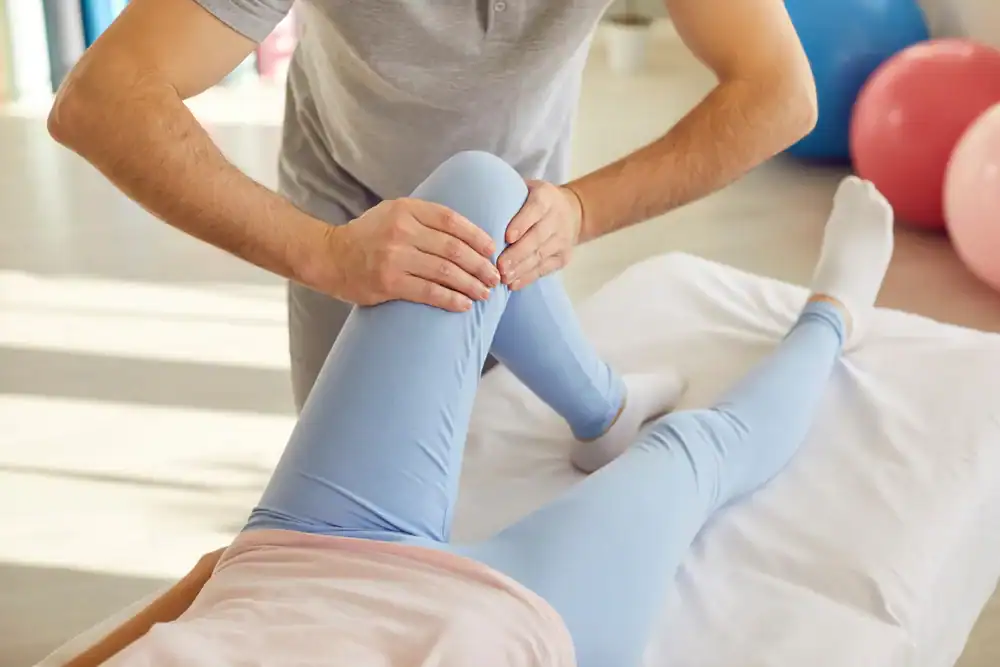
From there, treatment focuses on two things: relieving the immediate pain and correcting the underlying mechanics. That usually means spinal adjustments to restore proper movement, soft tissue work to address muscle imbalances, and corrective exercises you’ll do at home to reinforce what’s being done in the office. You’re not passive in this process.
Most athletes notice a difference within the first few visits. Walking without a limp. Sleeping through the night. Being able to bend or twist without bracing for pain. But the goal isn’t just symptom relief—it’s getting you back to training at full capacity. That means progressively loading the injury as it heals, testing it under sport-specific conditions, and making sure you’re not just better, but stronger than you were before you got hurt.
Ready to get started?
Every treatment plan here is built around your sport and your schedule. That starts with advanced diagnostic imaging when needed—not because it’s standard protocol, but because it gives a clear picture of what’s actually going on. X-rays, functional movement screening, and baseline assessments using infrared imaging technology all help pinpoint the issue fast.
Treatment itself combines chiropractic adjustments, targeted soft tissue therapy, and sport-specific rehabilitation exercises. If you’re a runner, you’re getting different corrective work than a tennis player. If you’re dealing with a shoulder issue from swimming, the approach is different than someone who hurt their shoulder lifting weights. The mechanics matter.
You’ll also get a personalized exercise program designed to strengthen weak areas and prevent re-injury. These aren’t generic stretches. They’re based on what your body needs to handle the repetitive stress of your sport. And because sports injuries don’t follow a 9-to-5 schedule, we’re open evenings and weekends—because waiting three days for an appointment when you’re hurt doesn’t make sense for anyone trying to stay active in Paulus Hook, NJ.

It depends on the injury, how long you’ve had it, and whether you’ve tried to push through it or let it heal improperly. Acute injuries—something that just happened in the last week or two—usually respond faster than chronic issues you’ve been dealing with for months.
Most athletes start feeling noticeably better within three to five visits. That means less pain, better range of motion, and the ability to do daily activities without limitation. But “feeling better” and “ready to compete” are two different things.
Full recovery, where you’re back to 100% performance capacity, typically takes anywhere from a few weeks to a couple of months depending on severity. The key is progressing through treatment properly—not rushing back because you feel good one day, then re-injuring yourself because the underlying issue wasn’t fully resolved. That’s where a lot of athletes get stuck in cycles of recurring problems.
Chiropractors who specialize in sports injuries treat the same conditions physical therapists do—sprains, strains, tendonitis, overuse injuries, joint dysfunction. The difference is in the approach.
Chiropractic care focuses on restoring proper alignment and joint mechanics first, which often resolves pain faster and allows for more effective rehabilitation. If your spine or pelvis is out of alignment, no amount of stretching or strengthening is going to fix the compensation patterns causing your injury. You have to address the structure first.
That said, the best outcomes usually come from a combination of manual adjustments, soft tissue work, and corrective exercises—which is exactly what happens here. You’re not just getting adjusted and sent home. You’re getting a full treatment plan that includes the functional rehab piece. So if you’re wondering whether you need to see multiple providers, the answer is usually no. Most sports injuries can be fully managed with chiropractic care, especially when it’s focused on athletic recovery.
The most common issues we see are overuse injuries—runner’s knee, IT band syndrome, plantar fasciitis, rotator cuff strains, and lower back pain from repetitive stress. A lot of that comes from the way people train in this area. Hard surfaces, limited space, and inconsistent training schedules all contribute.
You also see a fair amount of acute injuries from recreational sports—ankle sprains from basketball, shoulder injuries from tennis or swimming, and hamstring or groin pulls from soccer. These tend to happen when someone goes from minimal activity during the week to high-intensity play on the weekend without proper warm-up or conditioning.
Then there are the compensation injuries—pain that shows up because your body has been working around an old injury or imbalance for so long that something else finally gives out. Hip pain from an old ankle sprain. Shoulder pain from a neck issue. These are harder to self-diagnose, but they’re some of the most important to address because they won’t go away on their own. Your body will just keep compensating until something else breaks down.
No. You can schedule directly without a referral from your primary care doctor. Chiropractors are portal-of-entry providers, which means you have direct access.
That’s actually one of the advantages of chiropractic care for sports injuries—you don’t have to wait for an appointment with your general practitioner, then wait again for a referral, then wait again for the specialist. You can get evaluated and start treatment right away.
Most insurance plans cover chiropractic care, and many include sports injury treatment specifically. It’s worth calling your insurance provider to confirm your benefits before your first visit, but lack of a referral isn’t going to be a barrier. If you’re dealing with an injury that’s keeping you out of your sport or limiting your training, you can call and get scheduled without jumping through hoops first.
In most cases, yes—but it depends on the injury and how you modify your training. Complete rest is rarely the answer. Your body needs movement to heal properly. The question is what kind of movement and how much.
If you’re a runner with a knee issue, you might need to cut your mileage and avoid hills or speed work temporarily, but you can likely still do low-impact cardio and strength training. If you’re dealing with a shoulder injury, you might need to avoid overhead movements but can still train your lower body and core.
The goal is to keep you as active as possible without aggravating the injury. That means working around it intelligently, not through it stubbornly. A lot of athletes make the mistake of thinking they have to choose between full training or nothing—and that’s not true. You just have to be strategic about what you’re doing and listen to your body’s response. Treatment here includes guidance on what you can and can’t do as you heal, so you’re not guessing or risking setbacks.
First 48 hours: ice, compression, and elevation if there’s swelling. Twenty minutes on, twenty minutes off. Don’t apply heat—that increases inflammation early on and slows healing.
Avoid completely immobilizing the injury unless it’s severe. Gentle movement within your pain-free range actually helps. If you can’t put weight on it or the pain is getting worse instead of better, that’s a sign you need to be seen sooner rather than later.
Don’t take anti-inflammatories unless absolutely necessary. They mask pain, which can lead you to overdo it before the tissue is ready. And while they reduce inflammation short-term, they can actually interfere with the healing process if used too long. If you need pain relief, ice is usually enough for the first few days. After that, getting evaluated and starting treatment is the best move. The longer you wait, the more likely you are to develop compensation patterns that turn a simple injury into a chronic problem.