
Hear from Our Customers
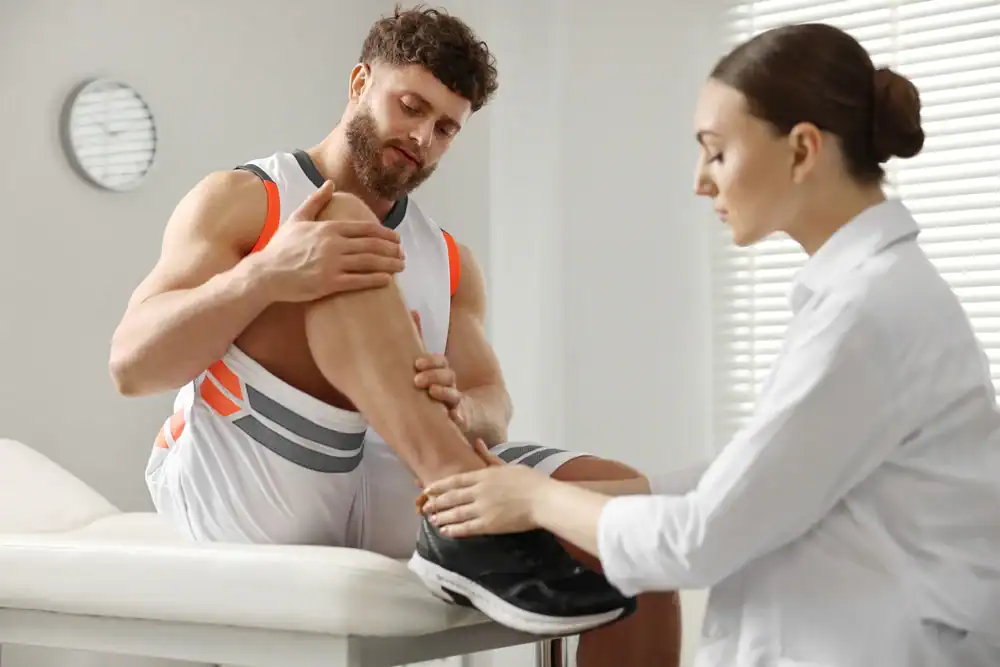
You’re not looking for temporary relief. You want to get back to running, lifting, playing with your kids, or whatever got taken away when you got hurt.
When you’re dealing with a sports injury in Mill Creek, NJ, the usual options feel limiting. Emergency rooms make you wait hours for basic care. Your regular doctor suggests rest and ibuprofen. Physical therapy takes months. Surgery sounds terrifying and expensive.
Here’s what actually changes when you address the root cause: your pain drops within days, not weeks. Your range of motion comes back. You stop compensating with other parts of your body that weren’t meant to take the load. And you get back to doing what matters without wondering if you’ll re-injure yourself the moment you push hard again.
Athletic recovery therapy isn’t about masking pain. It’s about removing the interference that’s keeping your body from healing itself. That’s how people walk in limping and leave moving normally after just a few visits.
Dr. Paul Roses has been serving Hudson County since 1981. That’s over four decades of treating everything from weekend warrior strains to serious athletic injuries that other providers wanted to solve with surgery.
Mill Creek residents don’t need to drive to multiple specialists or wait weeks for appointments. Our clinic in nearby Bayonne gives you direct access to a sports injury chiropractor who’s seen thousands of cases like yours. No referral needed. No runaround.
Hudson County has over 736,000 people, and a huge percentage of them are active. Youth sports, recreational leagues, gym injuries, workplace strains that happen because you’re still playing pickup basketball on weekends. We’ve treated all of it. The advantage of experience isn’t just skill—it’s knowing what actually works and what’s a waste of your time.
First visit starts with a real assessment. We use Titron Infrared Imaging to see what’s happening beneath the surface, and if needed, we’ll take x-rays. You’re not getting a cookie-cutter treatment plan—you’re getting a diagnosis based on what’s actually wrong with your body.
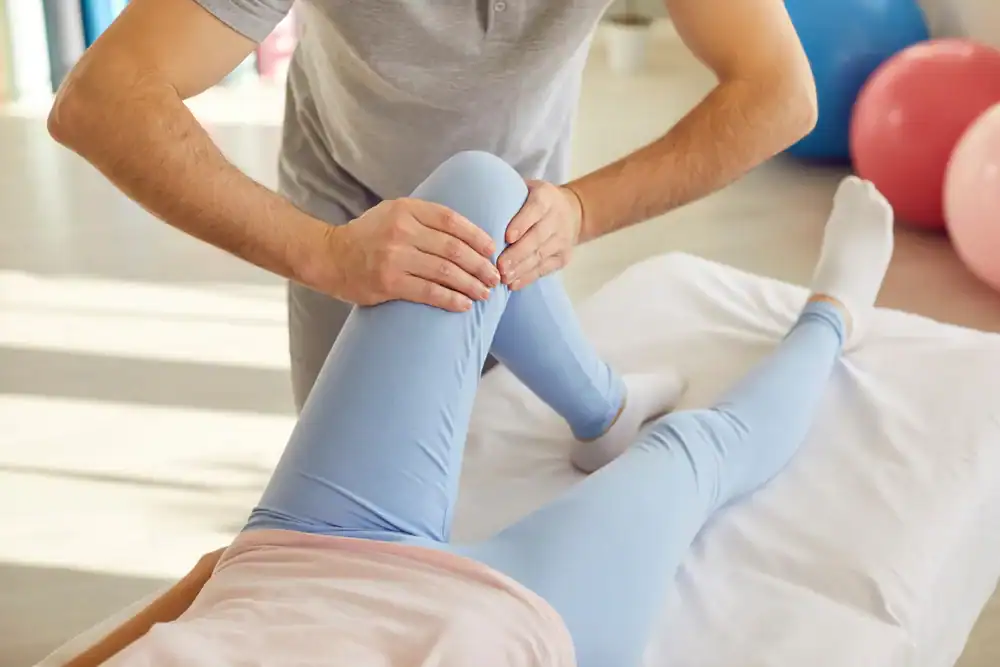
Once we know what we’re dealing with, treatment starts immediately. Adjustments target the specific areas causing your pain and limiting your movement. Most people feel a difference after the first session. Not “a little better”—actually different. One patient came in barely able to walk and left moving normally after three adjustments.
Between visits, you’ll get exercises designed specifically for your injury. These aren’t generic stretches you could find on YouTube. They’re built to strengthen the exact weaknesses causing your problem and speed up recovery. The goal isn’t to keep you coming back forever—it’s to fix the issue and get you back to full strength.
You’ll know within the first week whether this is working. That’s the difference between treating sports injuries at the source versus just managing symptoms.
Ready to get started?
Every session focuses on removing nerve interference so your brain can communicate properly with the injured area. That’s not abstract—it’s why adjustments work when other treatments don’t. Your body knows how to heal. It just needs the pathway cleared.
You’ll receive hands-on spinal correction using techniques that weren’t available even ten years ago. This isn’t the old-school “crack and go” approach. It’s precise, targeted work that addresses your specific injury pattern.
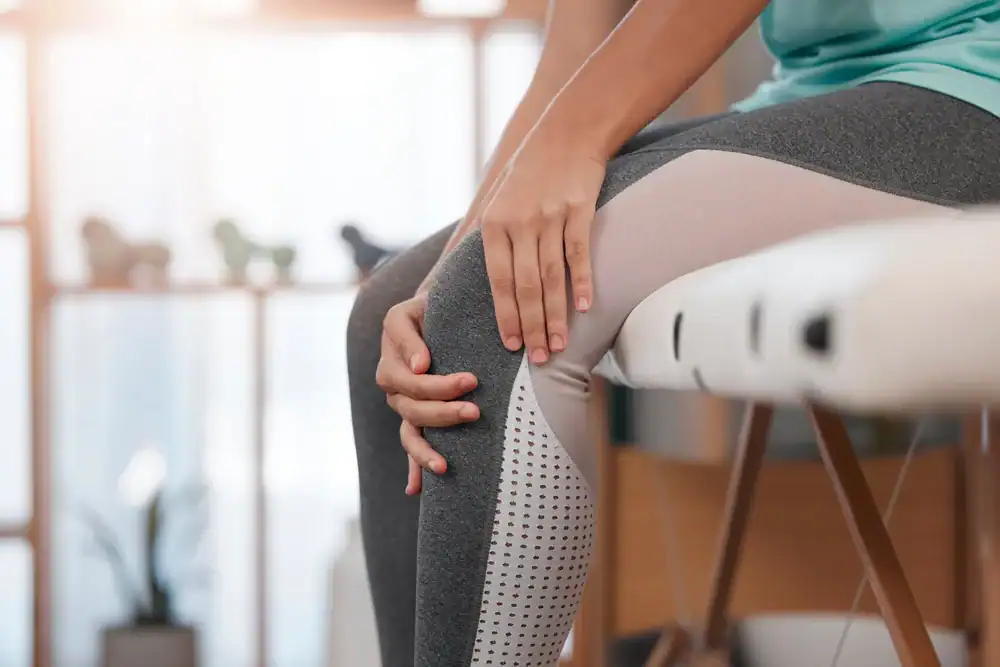
Mill Creek athletes deal with common issues: rotator cuff strains from softball, knee problems from running on hard surfaces, lower back pain from golf swings, neck stiffness from cycling positions. Hudson County has great parks and recreation facilities, which means plenty of opportunities to get hurt doing what you love. The good news? Most sports injuries respond incredibly well to chiropractic care when treated early.
Studies show athletes receiving chiropractic treatment have fewer lower limb muscle strains and miss fewer games from non-contact knee injuries. That’s not marketing talk—that’s published research. You’re not gambling on an unproven method. You’re choosing what professional and collegiate athletes have used for decades.

It depends entirely on what’s injured and how long you’ve been dealing with it. But here’s what typically happens: acute injuries that just occurred often respond within days. You might feel significant relief after your first adjustment and be back to modified activity within a week.
Chronic issues take longer because your body has been compensating for weeks or months. The injury itself might heal quickly, but we need to retrain the surrounding muscles and restore proper movement patterns. Most people see major improvement within 2-3 weeks of consistent treatment.
The mistake most athletes make is jumping back in at 100% the moment they feel better. That’s how you re-injure yourself. We’ll tell you exactly when you’re ready to return to full activity, and we’ll give you a realistic timeline during your first visit based on your specific injury.
No. You can come directly to our clinic without seeing your primary care doctor first. That’s one of the biggest advantages of chiropractic care for sports injuries—you get immediate access to someone who specializes in musculoskeletal problems.
Think about the alternative: you’d schedule an appointment with your regular doctor, wait several days or weeks, get told to rest and ice it, maybe get a referral to a specialist, wait again for that appointment, possibly get sent for imaging, then finally start treatment. That’s a month or more of sitting around while your injury gets worse.
Most insurance plans cover chiropractic care, and Medicare includes it as well. We handle the insurance process, so you’re not stuck figuring out coverage on your own. The goal is to remove every barrier between you and getting better.
Physical therapy focuses on strengthening and stretching the injured area. That’s valuable, but it doesn’t address why the injury happened in the first place. If your spine is misaligned or you have nerve interference, no amount of exercise will fix the underlying problem.
Chiropractic care corrects the structural issues causing your pain and limited mobility. Once your body is aligned properly and nerve signals are flowing correctly, healing happens faster. That’s why you see results in days instead of months.
The most effective approach often combines both. We provide adjustments that fix the root cause, plus we give you specific exercises to strengthen and stabilize the area. You get the structural correction and the rehabilitation work in one place. No need to coordinate between multiple providers or repeat your story to different people who aren’t communicating with each other.
Adjustments shouldn’t increase your pain. You might feel pressure or hear popping sounds, but the actual adjustment typically brings immediate relief, not more discomfort. Most people leave their first session feeling looser and more mobile than when they walked in.
If you’re dealing with acute inflammation, we adjust our technique. There are dozens of different adjustment methods, and we choose the one that’s appropriate for your current condition. Sometimes that means using gentler approaches until the initial inflammation calms down.
The soreness some people feel afterward is different from injury pain. It’s similar to what you’d feel after a good workout—your muscles are adjusting to moving correctly again. That mild soreness usually disappears within 24 hours, and you’re left with significantly less pain than you started with.
Prevention is actually one of the biggest reasons athletes continue chiropractic care after their injury heals. When your body is properly aligned, you move more efficiently. That means less stress on joints, better balance, improved flexibility, and reduced injury risk.
We identify the mechanical issues that led to your injury in the first place. Maybe you have a leg length discrepancy that’s throwing off your gait. Maybe your hips are rotated, putting extra strain on your knees. Maybe old injuries created compensation patterns that are setting you up for new problems. Fixing these issues doesn’t just heal your current injury—it protects you from the next one.
Professional athletes get adjusted regularly even when nothing hurts. They understand that maintenance care keeps them performing at their peak and extends their careers. You don’t need to be a pro to benefit from the same approach. Regular adjustments keep your body functioning the way it’s supposed to, which means you can stay active without constantly getting sidelined.
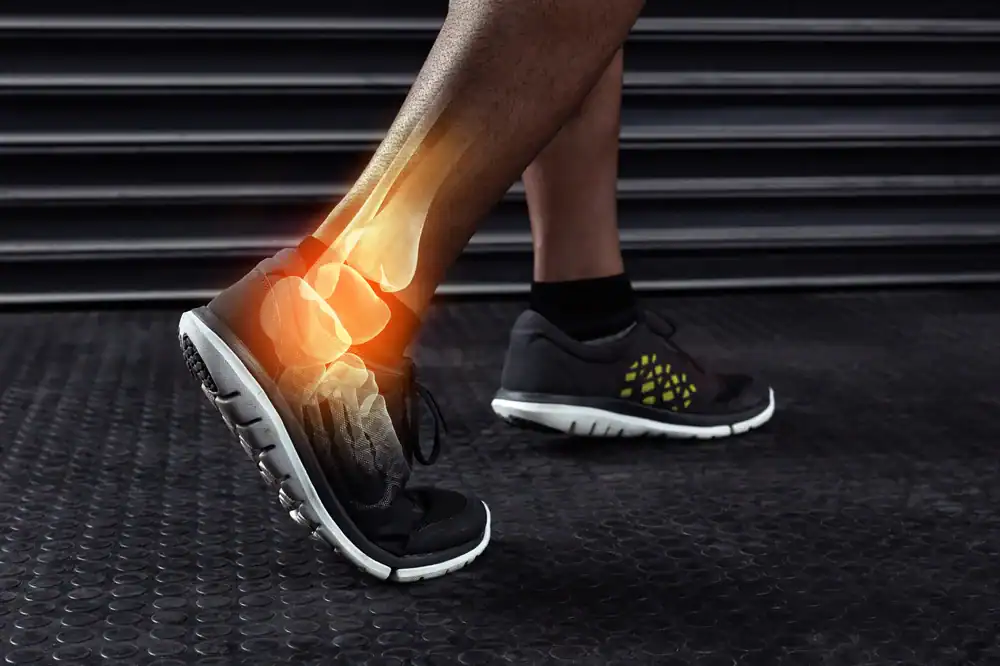
Anything involving your spine, joints, or soft tissue typically responds well. That includes lower back strains, neck injuries, shoulder problems, knee pain, ankle sprains, elbow issues like tennis elbow, hip flexor strains, and hamstring pulls. Basically, most common sports injuries.
The injuries that don’t respond to chiropractic care are things like fractures, torn ligaments that need surgical repair, or severe tissue damage. But here’s the thing: most sports injuries aren’t that serious. They’re overuse injuries, muscle strains, joint dysfunction, or alignment issues that got worse because you kept playing through the pain.
Mill Creek residents come in with everything from running injuries to weightlifting strains to weekend warrior problems from suddenly playing three hours of basketball after sitting at a desk all week. The common thread is that these injuries involve mechanical dysfunction—something isn’t moving the way it should. That’s exactly what chiropractic adjustments fix. Your body already knows how to heal. We just remove the interference that’s slowing down the process.