
Hear from Our Customers
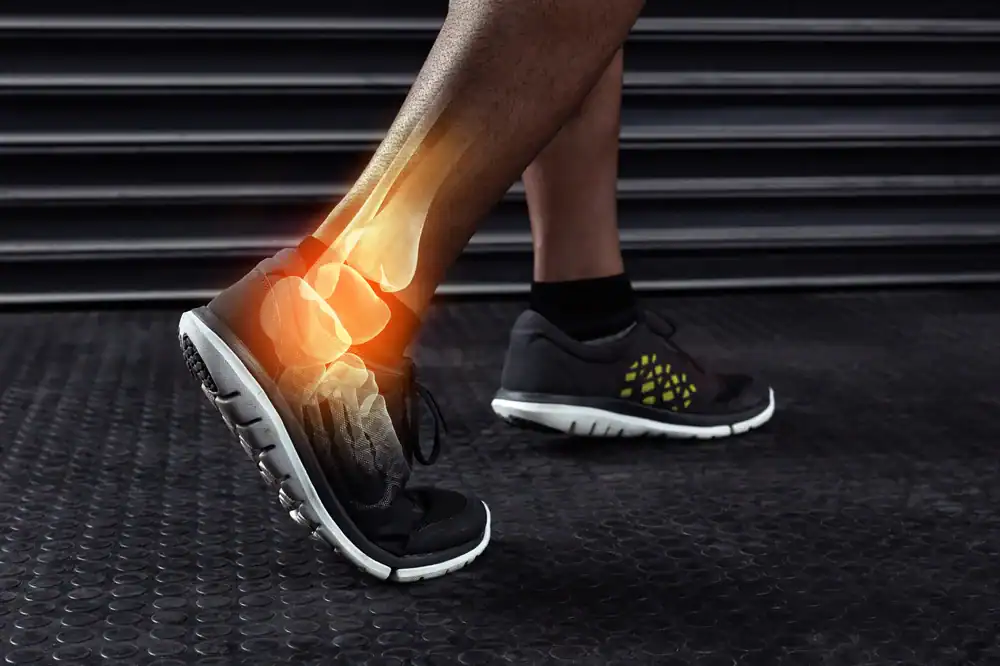
You’re not looking to mask pain. You want to fix what’s broken so you can train hard, compete confidently, and stop worrying about when the injury comes back.
That’s what happens when treatment addresses alignment, mobility, and function instead of just numbing the area. Your body starts moving the way it’s supposed to. Inflammation drops. Range of motion comes back. You regain strength without compensating through other joints or muscles.
Most athletes who come to us have already tried rest, ice, and over-the-counter meds. Those help in the short term, but they don’t restore proper biomechanics. When your spine and joints are aligned correctly, your nervous system communicates clearly with every muscle and tissue. That’s when real recovery happens—and when performance improves beyond where you were before the injury.
Dr. Paul Roses has been practicing in this area since 1981. He’s treated everyone from high school athletes to weekend warriors who refuse to let an injury steal their favorite activity.
Metroplaza sits in Hudson County, one of the most densely populated and diverse counties in New Jersey. The community here is young, active, and serious about staying that way. We understand that when you’re injured, you don’t just lose a sport—you lose a routine, a stress outlet, and often a sense of identity.
Our approach is straightforward: find the root cause, correct it with precise adjustments, and give you the tools to prevent it from happening again. No scripts. No surgeries. Just focused care that respects your time and your goals.
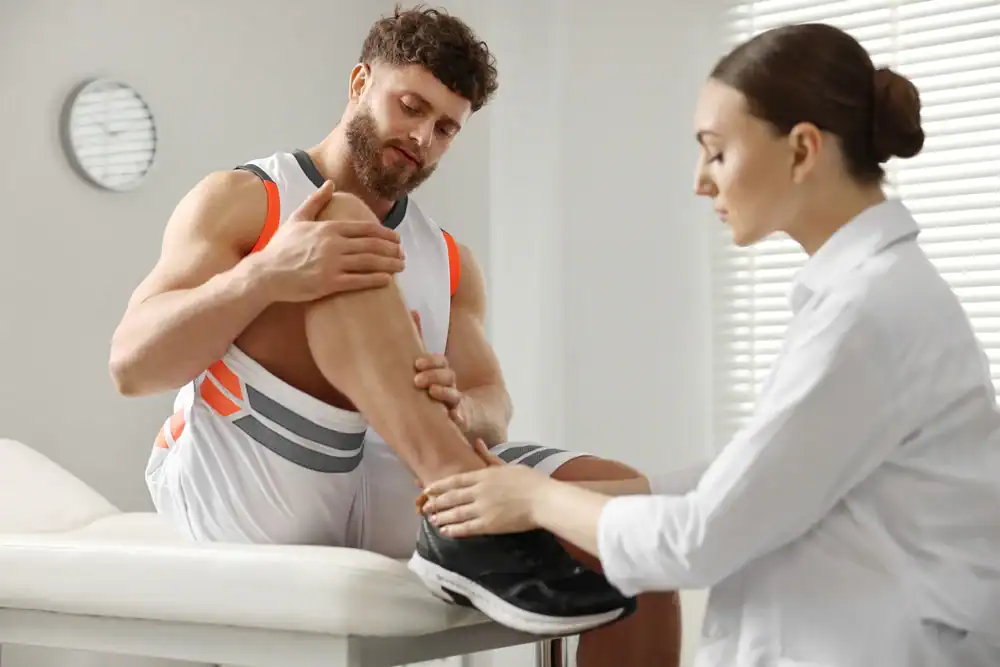
First, you’ll sit down for a real conversation about what happened, when it started, and what you’ve tried so far. Dr. Roses will assess your movement, check your spine and joints, and identify where the dysfunction is coming from.
Then comes the adjustment. Using advanced techniques that are safer and more precise than older methods, he’ll realign the affected areas to restore proper function. You might also receive soft tissue work, stretching guidance, or corrective exercises depending on what your body needs.
Most people notice a difference right away—less pain, better mobility, or just a sense that something finally shifted. Recovery timelines vary, but the goal is always the same: get you back to full activity as quickly and safely as possible. You’ll also learn how to move, stretch, and train in ways that reduce your risk of getting hurt again.

Ready to get started?
This isn’t just about cracking your back and sending you home. You’re getting a full evaluation of how your body moves, where it’s compensating, and what’s keeping you from performing at your best.
Hudson County has one of the highest rates of youth sports participation in New Jersey. That means more kids playing harder, and more injuries that need proper care—not just a few days on the couch. We work with athletes of all ages to restore function, whether it’s a torn ligament from a soccer match or chronic shoulder pain from swimming.
You’ll also get education. How to warm up correctly. What movements to avoid during recovery. When it’s safe to ramp up intensity again. The goal is to make you smarter about your body so you’re not back in the same position six months from now. And because this is drug-free care, you’re not masking symptoms or risking dependency—you’re actually healing.

It depends on the injury, how long you’ve had it, and how well you follow the treatment plan. Some people feel significantly better after just a few visits. Others with more severe or chronic issues might need a few weeks of consistent care.
The difference between chiropractic and other approaches is that you’re not just waiting for time to pass. You’re actively restoring alignment and function, which speeds up the body’s natural healing process. Dr. Roses will give you a realistic timeline during your first visit based on what he finds.
One thing to keep in mind: if you’ve been dealing with pain for months and trying to push through it, your body has likely developed compensations that need to be undone. That takes a little longer, but it’s worth it to fix the problem instead of just surviving it.
Yes, and that’s one of the biggest reasons professional teams keep chiropractors on staff. When your joints move correctly and your spine is aligned, your body can absorb impact and handle stress much more effectively.
We don’t just treat the injury in front of us. We look at your posture, your gait, and how you move during your sport. If there’s a weakness or imbalance that’s setting you up for another injury, we’ll address it.
You’ll also get specific exercises and stretches designed to strengthen vulnerable areas and improve flexibility. A lot of sports injuries happen because one part of the body is overcompensating for another. Fix that chain, and your risk drops significantly.
Sprains, strains, joint pain, muscle tears, tendonitis, shoulder injuries, knee problems, lower back pain, neck pain, and repetitive stress injuries. If it’s musculoskeletal and it’s keeping you out of your sport, it’s something we can help with.
The most common injuries we see are ankle sprains, rotator cuff issues, hamstring strains, and lower back pain—especially in athletes who play contact sports or do a lot of running and jumping. Concussions are also prevalent, and while chiropractic doesn’t treat the concussion itself, it can address neck and upper spine issues that often accompany head injuries.
Each injury gets evaluated individually. There’s no one-size-fits-all adjustment. We tailor the treatment to your body, your sport, and your recovery goals.
Absolutely. In fact, it’s one of the safest treatment options available because it’s non-invasive and doesn’t involve medications that can affect a young person’s development.
Youth sports injuries are incredibly common. Nearly 90% of student-athletes report getting hurt at some point, and many of those injuries go untreated or are managed with rest alone. That can lead to long-term issues, especially if the injury changes how they move.
We’ve worked with young athletes for decades. The techniques we use are gentle, precise, and appropriate for growing bodies. Parents often bring their kids in not just for injuries, but to improve performance and reduce the chance of getting hurt in the first place.
Not always. It depends on the severity of the injury and how much risk there is of making it worse. We’ll be honest with you about what you can and can’t do while you’re healing.
For minor injuries, you might be able to keep training at a reduced intensity or modify certain movements. For more serious issues—like a significant ligament tear or a joint that’s unstable—you’ll need to take a break while your body repairs itself.
The goal is always to get you back as soon as it’s safe. Pushing through pain might feel tough in the moment, but it usually leads to longer recovery times and a higher chance of re-injury. We’ll work with you to create a plan that respects both your timeline and your body’s limits.
Yes. Most insurance plans cover chiropractic care, and our team can help you understand your benefits and what’s covered under your specific plan.
If you’re not sure whether your insurance includes chiropractic, call our office before your first visit. We’ll verify your coverage and let you know what to expect in terms of co-pays or out-of-pocket costs.
Even if you don’t have insurance, the cost of chiropractic care is often much lower than emergency room visits, imaging, or long-term prescriptions. And because the focus is on fixing the problem rather than managing symptoms indefinitely, many people find it’s a better investment in the long run.