
Hear from Our Customers
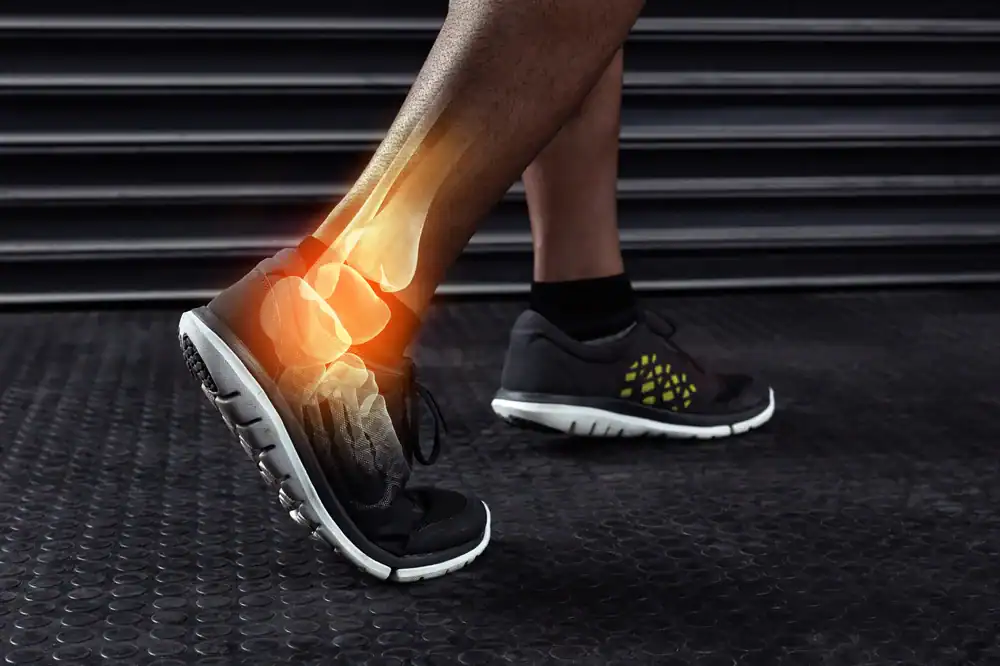
You didn’t get injured because you’re weak. You got injured because something in your body wasn’t moving the way it should—and that imbalance caught up with you.
Most sports injury treatment focuses on the symptom: ice it, rest it, take something for the pain. That might quiet things down temporarily, but it doesn’t fix why it happened in the first place. And that’s exactly why so many athletes re-injure themselves within weeks of getting back out there.
Athletic recovery therapy in Hudson, NJ starts with identifying the biomechanical issue that caused the injury. Whether it’s a shoulder that’s compensating for a restricted mid-back, an ankle that’s not stabilizing properly, or a hip that’s throwing off your entire gait—chiropractic care addresses the movement dysfunction, not just the pain. When your body moves correctly, it heals faster and performs better.
You’re not looking for someone to tell you to sit out for six weeks. You’re looking for someone who understands how athletes heal and what it takes to get you back to full function without the fear of breaking down again.
Dr. Paul Roses has been serving Kearny, NJ and the surrounding Hudson County area since 1981. That’s over 40 years of treating everyone from youth baseball players with overuse injuries to weekend warriors who tweaked something during a pickup game.
He’s seen the full spectrum—ACL recoveries, rotator cuff strains, chronic ankle instability, tennis elbow, runner’s knee. And he’s watched athletes make full recoveries when they address the underlying cause instead of chasing quick fixes. Our approach isn’t about getting you pain-free for a week. It’s about getting you structurally sound so you can train hard without constantly breaking down.
Kearny has a strong recreational sports culture, and that means a lot of people pushing their bodies without the recovery protocols or movement screenings that pro athletes get. We fill that gap—giving local athletes access to the same type of care that keeps professionals on the field.
First, you’ll sit down and talk through what happened. Not just “I hurt my shoulder,” but how it happened, what you were doing, whether this is the first time or if it’s been nagging you for months. That context matters because it tells us whether this is an acute injury or a chronic compensation pattern finally giving out.
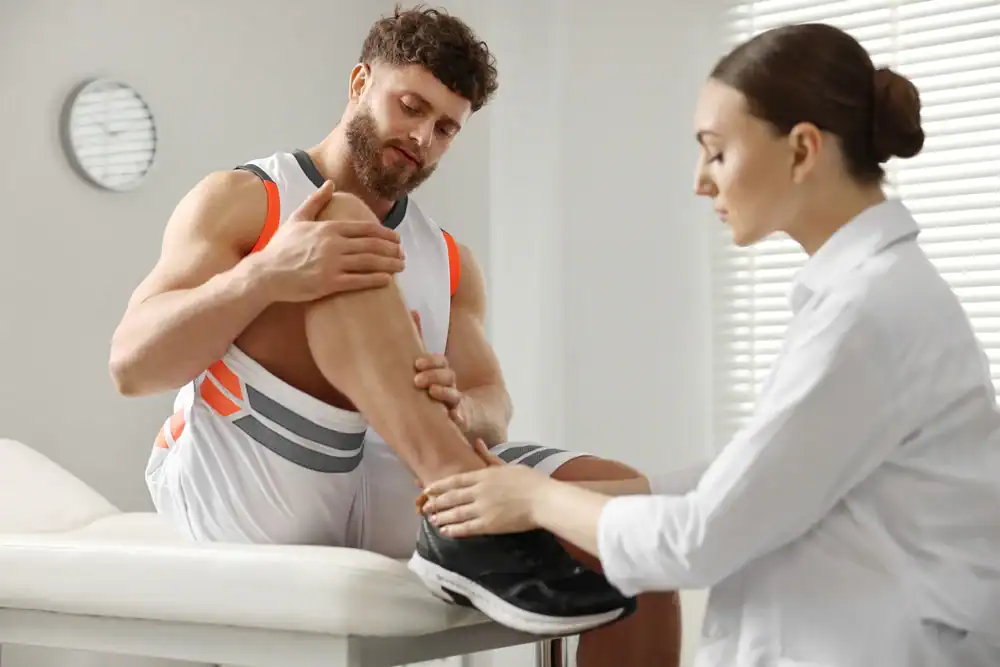
Next comes the evaluation. Dr. Roses will assess your range of motion, check for joint restrictions, test muscle activation, and look at how your body is compensating around the injury. Most sports injuries don’t happen in isolation—they’re the result of something else not working properly. Finding that weak link is half the battle.
Treatment typically involves spinal and extremity adjustments to restore proper joint mechanics, soft tissue work to release tension and improve blood flow, and corrective exercises to retrain movement patterns. You’re not lying on a table getting adjusted and sent home. You’re learning how to move better so this doesn’t happen again.
The goal is simple: get you back to your sport as quickly and safely as possible, with a body that’s more resilient than it was before the injury.

Ready to get started?
Every treatment plan is built around your specific injury and your specific goals. A high school soccer player recovering from a sprained ankle has different needs than a 45-year-old dealing with chronic shoulder pain from years of overhead sports.
You’ll receive hands-on chiropractic adjustments to restore joint alignment and mobility, myofascial release to address tight or restricted soft tissue, and functional rehab exercises designed to rebuild strength and stability in the injured area. We also use state-of-the-art diagnostic tools like Titron Infrared Imaging to get a baseline assessment of inflammation and nerve function, which helps track your progress objectively.
In Kearny and across Hudson County, youth sports injuries have been climbing—especially overuse injuries from kids specializing in one sport year-round. If you’re a parent dealing with that, you’re not imagining it. The data backs it up. Overuse injuries now make up over half of all youth sports injuries nationally, and that trend is hitting local communities hard. Chiropractic care gives young athletes a way to recover without relying on medications or invasive procedures, and it teaches them how to take care of their bodies as they grow.
You’ll also get guidance on when it’s safe to return to play, what activities to avoid during recovery, and how to modify your training to prevent re-injury. This isn’t about rushing you back. It’s about getting you back right.

It depends on the injury, how long you’ve had it, and how well you follow the treatment plan. Acute injuries—like a sprained ankle or a pulled hamstring—often respond quickly, sometimes within a few visits. You might notice less pain and better movement within the first week.
Chronic issues take longer because your body has been compensating for weeks or months, and those patterns don’t unwind overnight. A shoulder injury that’s been bothering you all season might take several weeks of consistent care to fully resolve. But even with chronic injuries, most people notice improvement within the first few sessions.
The biggest factor is whether you’re actively rehabbing or just getting adjusted and going back to the same training routine that caused the problem. If you’re doing the corrective exercises, modifying your activity as needed, and giving your body time to adapt, recovery moves a lot faster.
Yes, and that’s one of the most underrated benefits of regular chiropractic care for athletes. Most injuries don’t come out of nowhere—they’re the result of small imbalances or restrictions that build up over time until something finally gives.
Chiropractic adjustments keep your joints moving properly, which reduces compensations and overuse patterns. When your body is aligned and moving efficiently, you’re less likely to develop those nagging issues that turn into bigger problems. Regular care also improves proprioception—your body’s ability to sense where it is in space—which directly impacts balance, coordination, and reaction time.
A lot of professional and collegiate sports teams have chiropractors on staff for exactly this reason. It’s not just about treating injuries after they happen. It’s about keeping athletes moving well so injuries are less likely to occur in the first place. If you’re training hard, whether that’s for a competitive sport or just staying active, maintenance care is one of the smartest things you can do for longevity.
Absolutely. Chiropractic care is one of the safest, most effective options for treating youth sports injuries, especially when you want to avoid medications or more invasive interventions. Kids’ bodies are still developing, and addressing movement dysfunctions early can prevent long-term issues down the road.
Dr. Roses has extensive experience working with young athletes, and treatment is always adapted to the patient’s age, size, and injury. Adjustments for kids are gentler and use less force than what you’d use on an adult. The goal is the same—restore proper joint function and reduce strain on the surrounding tissues—but the approach is modified to fit the patient.
Youth sports injuries are skyrocketing, particularly overuse injuries from early specialization and year-round training. Chiropractic care gives young athletes a way to recover without disrupting their growth or relying on pain medications. It also teaches them body awareness and injury prevention habits that will serve them for the rest of their athletic careers.
The most common sports injuries we see are sprains and strains—ankles, knees, shoulders, wrists. Those tend to happen in any sport that involves quick direction changes, jumping, or overhead movements. We also treat a lot of overuse injuries like runner’s knee, shin splints, tennis elbow, and rotator cuff tendinitis.
In Kearny and the surrounding Hudson County area, we see a lot of youth baseball and softball players with shoulder and elbow issues from repetitive throwing. That’s a national trend that’s gotten worse over the last decade, and it’s showing up locally. We also treat plenty of adult recreational athletes—people who play in weekend leagues, run regularly, or lift weights—and are dealing with nagging injuries that won’t seem to go away.
Chiropractic care works for all of these because the underlying issue is usually the same: something isn’t moving the way it should, and the body is compensating in a way that’s creating stress on another area. Once you fix the movement dysfunction, the injury heals faster and you’re far less likely to have it flare up again.
No, you don’t need a referral. Chiropractors are primary care providers, which means you can schedule an appointment directly without seeing another doctor first. If you’ve got a sports injury and you want to explore a drug-free, non-surgical treatment option, you can call and book a consultation.
That said, if your injury is severe—like a suspected fracture, dislocation, or something that needs imaging right away—it’s smart to get that ruled out first. Dr. Roses will let you know during your evaluation if he thinks you need additional diagnostics or a referral to another specialist. The goal is always to get you the right care, whether that’s chiropractic treatment, co-management with another provider, or a referral if needed.
Most insurance plans cover chiropractic care, and many don’t require a referral even if you’re using insurance. It’s worth calling your insurance company to confirm your specific benefits, but in most cases, you can start treatment without jumping through hoops.
Not necessarily, but it depends on the injury and how severe it is. If you’ve got an acute injury—something that just happened and is causing significant pain or instability—you’ll likely need to modify your activity or take a short break while your body heals. Trying to push through a fresh injury usually just makes it worse and drags out your recovery.
For chronic or minor injuries, you can often continue training with modifications. That might mean reducing intensity, avoiding certain movements, or cross-training while the injured area heals. The key is staying active in a way that doesn’t aggravate the injury or slow down the healing process.
Dr. Roses will give you clear guidance on what’s safe and what’s not based on your specific situation. The goal isn’t to keep you out of your sport any longer than necessary—it’s to make sure that when you do return, you’re actually ready and not just setting yourself up for re-injury. Most athletes would rather take two weeks off and come back at 100% than try to play through it and end up sidelined for two months.