
Hear from Our Customers
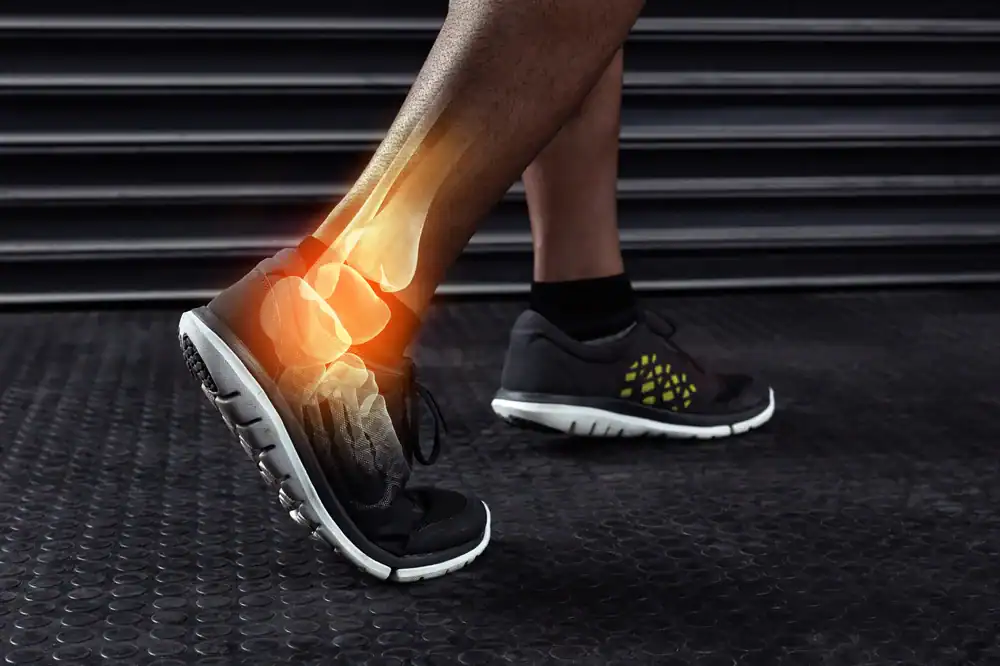
Most athletes don’t just want pain relief. You want to know why it happened, how to fix it for good, and when you can get back to training without risking another setback.
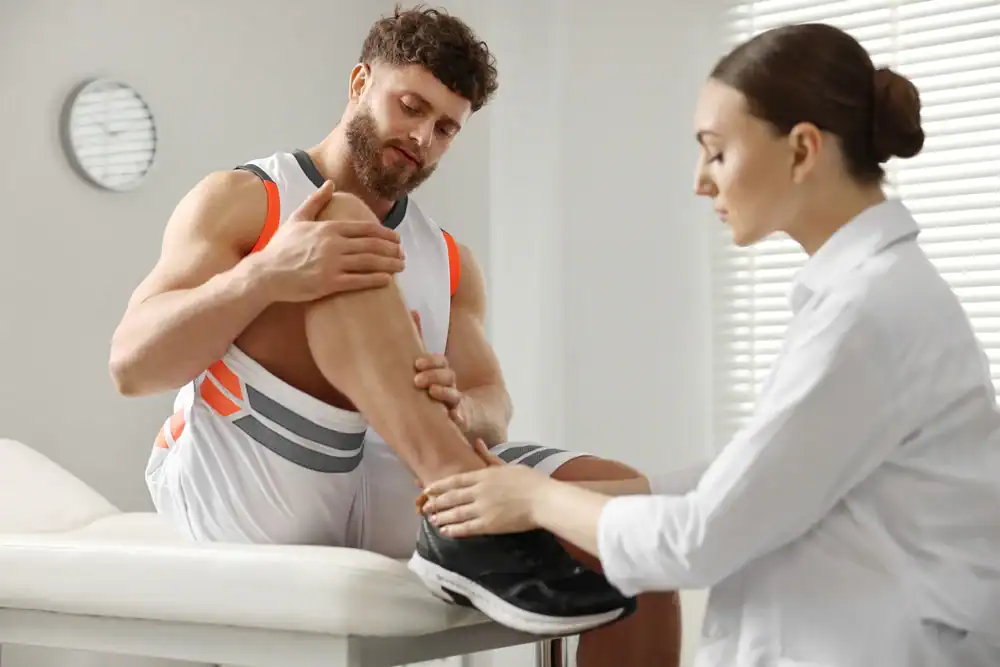
That’s where sports injury treatment in Canal Crossing, NJ goes beyond the typical crack-and-go visit. You’re not getting rushed through a waiting room full of people with neck pain from sitting at desks all day. You’re getting evaluated like an athlete—movement patterns checked, imbalances identified, and a plan built around getting you back to performance, not just out of pain.
The difference shows up when you’re sprinting again without that nagging pull. When your shoulder stops locking up mid-swing. When you can actually trust your knee to hold up during a cut. That’s not luck—it’s what happens when someone takes the time to figure out what’s actually broken and fix it at the source.
We’ve been working with athletes in Hudson County for more than two decades. Not weekend warriors who need a quick fix—though we see plenty of those too—but soccer players, hockey teams, baseball clubs, and runners who need to perform at a high level consistently.
Canal Crossing is growing fast. With South End Park’s ballfields, basketball courts, tennis courts, and miles of canal trails right in the neighborhood, this community moves. That means more people dealing with overuse injuries, weekend tournament strains, and the kind of nagging pain that shows up when you’re active but not recovering right.
We’re not the cheapest option in Jersey City, and we’re fine with that. You’re paying for a Board Certified Chiropractic Sports Practitioner who spends real time with you—not five minutes before handing you off to an assistant.
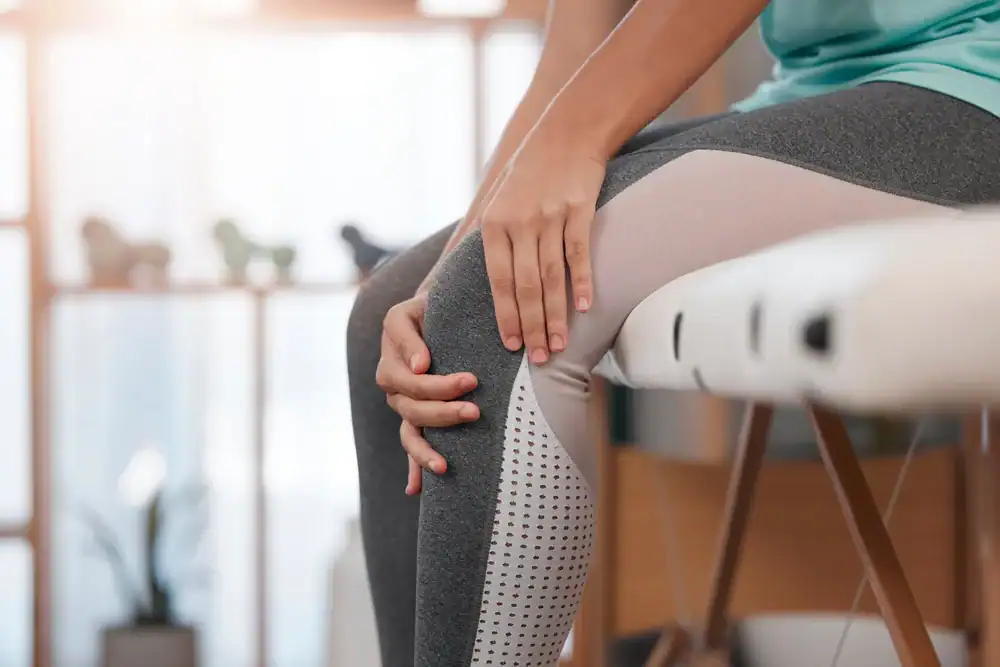
First visit starts with a real evaluation. Not a questionnaire and a quick poke around your back. We’re looking at how you move, where you’re compensating, and what’s causing the breakdown. If you’re a runner with knee pain, we’re checking your hips and ankles. If you’re dealing with a shoulder issue, we’re looking at your posture, your thoracic spine, and how your scapula moves.
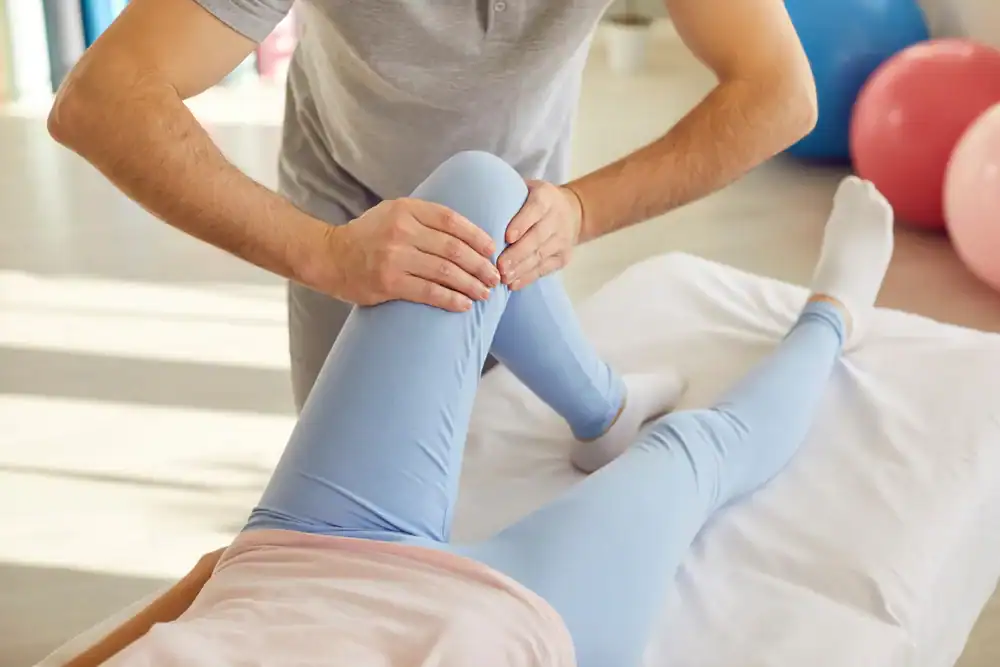
From there, treatment is built around what your body needs. That might mean adjustments to restore joint mobility. It might mean Class IV laser therapy to knock down inflammation fast—usually within 10 minutes. It could include Active Release Technique to break up scar tissue, or targeted rehab exercises to fix the imbalance that caused the injury in the first place.
You’re not getting a one-size-fits-all protocol. You’re getting a plan that matches your sport, your injury, and your timeline. And every minute of your appointment is with the doctor—not a rotating cast of assistants running you through generic stretches.
Ready to get started?
Sports injury treatment in Canal Crossing, NJ means access to multiple techniques under one roof. Spinal and extremity adjustments for ankles, knees, hips, shoulders, and elbows. Therapeutic laser therapy that’s FDA-cleared and clinically proven to reduce pain and speed healing. Soft tissue work like massage and Active Release Technique to address muscle tightness and scar tissue. Rehab programs designed to strengthen weak links and prevent re-injury.
Canal Crossing sits right along the Hudson-Bergen Light Rail, which makes it easy to get here from anywhere in Jersey City or Bayonne. With thousands of new housing units going up and a brand-new charter school campus bringing in over 2,000 students, the area is packed with active families, young athletes, and people who don’t have time to deal with recurring injuries.
If you’re training for something, recovering from a tournament, or just trying to keep up with your kids at the park without your back locking up, you need more than temporary relief. You need someone who understands athletic movement and knows how to rebuild your body stronger than it was before the injury.

It depends entirely on what you’re dealing with and how long you’ve been dealing with it. A fresh ankle sprain from last week’s game is going to respond faster than a shoulder issue you’ve been ignoring for six months.
Most athletes start feeling better within the first few visits—less pain, better range of motion, more confidence in the joint. But feeling better and being fully healed are two different things. If you stop treatment the second the pain goes away, you’re setting yourself up to re-injure the same spot as soon as you push hard again.
Full recovery usually means 4-8 weeks of consistent care, depending on severity. That includes adjustments, soft tissue work, and rehab exercises you’ll need to do on your own. The goal isn’t just to get you out of pain—it’s to make sure the injury doesn’t come back the next time you sprint, jump, or throw.
We treat the full spectrum of athletic injuries—anything involving joints, muscles, tendons, and ligaments. That includes knee pain from running or jumping sports, ankle sprains, hip flexor strains, lower back pain from lifting or twisting, shoulder injuries from overhead movements, elbow issues like tennis elbow or golfer’s elbow, and wrist or hand pain.
Chiropractic care works especially well for overuse injuries—the kind that build up over time from repetitive movement. Runner’s knee, IT band syndrome, rotator cuff tendinitis, plantar fasciitis. These don’t usually show up on an X-ray, but they’ll absolutely wreck your training if you don’t address the underlying cause.
We also see a lot of acute injuries—rolled ankles, pulled hamstrings, sudden back spasms. The combination of adjustments, laser therapy, and soft tissue work can significantly cut down recovery time compared to just resting and hoping it gets better. And because we’re treating the whole kinetic chain, not just the spot that hurts, you’re less likely to develop compensatory injuries elsewhere.
No. You can book directly without a referral from your primary care doctor. Chiropractors in New Jersey are portal-of-entry providers, which means you have direct access to care.
That’s a big advantage if you’re dealing with an injury that just happened and you don’t want to wait days or weeks for an appointment with an orthopedist. The sooner you start treatment, the faster you recover and the less likely you are to develop chronic issues.
If your injury turns out to be something that needs imaging or a different type of specialist—like a fracture or a complete ligament tear—we’ll let you know and help coordinate that. But the majority of sports injuries respond well to conservative care, and starting with chiropractic treatment gives you a non-invasive, drug-free option that gets results without the risks that come with surgery or long-term medication use.
A sports injury chiropractor has advanced training specifically in athletic injuries, biomechanics, and performance. That means understanding how different sports stress the body, what movement patterns lead to injury, and how to rehab athletes so they come back stronger.
Regular chiropractic care focuses heavily on spinal adjustments for pain relief—which is valuable, but not enough if you’re dealing with a complex injury that involves muscle imbalances, faulty movement patterns, or sport-specific demands. A Board Certified Chiropractic Sports Practitioner knows how to evaluate the entire kinetic chain, not just the area that hurts.
At Roses Chiropractic, that also means access to advanced treatment options like Class IV laser therapy, Active Release Technique, and custom rehab programs. You’re not just getting adjusted and sent home with ice. You’re getting a comprehensive approach that addresses why the injury happened in the first place and what needs to change so it doesn’t happen again.
In many cases, yes. Surgery should be the last option, not the first—but a lot of athletes get pushed toward it because they haven’t tried conservative care that actually works.
Chiropractic treatment combined with rehab can address issues like chronic shoulder pain, knee instability, lower back pain, and tendon problems without going under the knife. That doesn’t mean chiropractic care fixes everything—some injuries do require surgery. But even in those cases, getting your body moving better before and after surgery leads to better outcomes and faster recovery.
Professional sports teams keep chiropractors on staff for a reason. It’s not because they can’t afford surgery—it’s because they know that keeping athletes healthy, mobile, and performing at a high level requires more than just cutting things open and hoping for the best. If you’re dealing with an injury and surgery has been mentioned, it’s worth getting a second opinion from someone trained in sports medicine who can evaluate whether conservative treatment might get you the same result.
As soon as possible. The longer you wait, the more your body compensates—and those compensations create new problems. You favor one leg and suddenly your hip starts hurting. You baby your shoulder and your neck locks up. What started as one injury turns into three.
Early treatment also means faster recovery. If you sprain your ankle and start care within the first few days, you can significantly reduce swelling, restore mobility, and get back to activity weeks sooner than if you just ice it and hope it heals on its own. Same goes for muscle strains, joint pain, and overuse injuries.
Even if the injury happened weeks or months ago, it’s not too late. Chronic issues take longer to resolve, but they absolutely can improve with the right approach. The key is finding someone who’s willing to dig into what’s actually causing the problem instead of just masking symptoms. That’s what athletic recovery therapy in Canal Crossing, NJ is built around—real diagnosis, real treatment, and real results that last beyond your next game.