
Hear from Our Customers
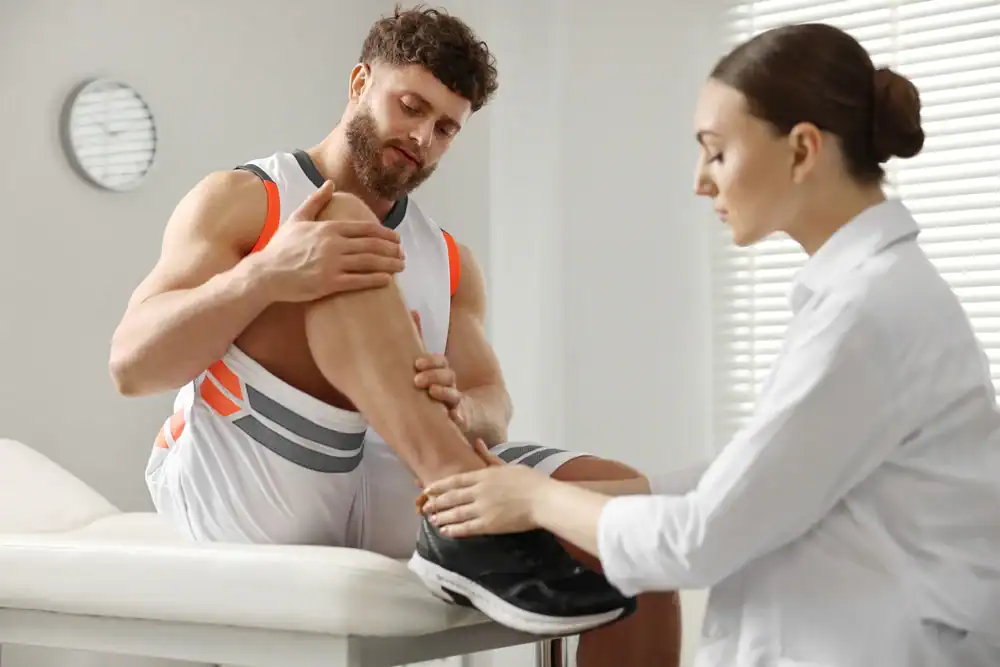
When you’re dealing with sports injuries in Bergen Hill, NJ, the last thing you want is a treatment plan that keeps you sidelined longer than necessary. You want to know when you’ll be back, what’s actually wrong, and how to prevent it from happening again.
Chiropractic care for athletes isn’t about cracking your back and sending you home. It’s about identifying the biomechanical issues that caused the injury in the first place. That might be a misalignment affecting your gait, muscle imbalances throwing off your form, or joint restrictions limiting your range of motion.
Research shows athletes who receive chiropractic care recover from delayed onset muscle soreness 30% faster than those who don’t. NFL players getting regular adjustments return to play 2-3 days sooner after minor injuries. That’s not because we’re doing anything magical—it’s because we’re addressing what’s actually broken instead of just numbing the pain.
Dr. Paul Roses built Roses Chiropractic with one clear goal: help people in Hudson County live healthier lives without unnecessary drugs or surgeries. That mission matters even more when you’re an athlete dealing with an injury that could derail your season.
Bergen Hill residents don’t need to drive across the county or wait weeks for an appointment. You’re dealing with a practice that understands the urgency of sports injuries and the specific demands athletes face. Whether you’re a weekend warrior trying to stay active or a competitive athlete with performance goals, you’re not getting cookie-cutter treatment.
Hudson County sees thousands of sports and recreational injuries every year. You need someone who’s seen your injury before and knows exactly how to treat it.
Your first visit starts with a real assessment. Not a five-minute chat before you’re rushed out the door. We’re looking at your injury, your movement patterns, your sport-specific demands, and what led to the problem in the first place.
From there, treatment typically includes spinal adjustments to restore proper alignment, soft tissue therapy to address muscle damage and reduce inflammation, and corrective exercises designed for your specific sport. You’re not getting a generic stretching routine—you’re getting movements that target the exact biomechanical issues causing your injury.
Most athletes notice reduced pain and improved mobility within the first few sessions. That doesn’t mean you’re done. Full recovery means rebuilding strength, restoring range of motion, and making sure the injury doesn’t come back the second you return to competition. That’s why treatment includes injury prevention strategies and performance optimization techniques that keep you healthier long-term.
You’ll know what to expect at every stage. How long recovery typically takes for your injury. What you can and can’t do while healing. When you’re actually ready to return to full activity.

Ready to get started?
Treatment for sports injuries in Bergen Hill, NJ includes comprehensive care that goes beyond adjustments. You’re getting manual therapy to improve joint mobility, soft tissue work to reduce inflammation and break up scar tissue, and rehabilitation exercises that rebuild strength without risking re-injury.
Hudson County athletes deal with everything from runner’s knee and rotator cuff strains to ankle sprains and lower back pain from lifting. Each injury requires a different approach. A pitcher with shoulder pain needs different treatment than a soccer player with a hamstring pull. That’s why assessment matters.
New Jersey high school athletes alone report significant injury rates, with 10% experiencing concussions from sports activity in a single year. Across all age groups, over 4 million sports injuries send people to emergency rooms annually—more than car accidents. Most of those injuries don’t require an ER visit. They require proper biomechanical treatment that addresses the root cause.
You’re also getting education on how to move properly, what warning signs to watch for, and how to modify training while you heal. Recovery isn’t just about feeling better today—it’s about staying healthy for the long run.

Recovery time depends entirely on the type and severity of your injury. A mild muscle strain might improve significantly within a week or two. A more serious ligament injury or chronic overuse problem could take several weeks to fully heal.
What matters more than the timeline is whether you’re actually healing or just masking symptoms. Pain medication might make you feel better temporarily, but it doesn’t fix the underlying problem. Chiropractic care focuses on restoring proper function so your body can heal correctly.
Most athletes notice reduced pain and better mobility within the first few visits. That doesn’t mean you’re cleared to jump back into full competition. Pushing too hard too soon is exactly how injuries become chronic problems. You’ll get a realistic timeline based on your specific injury and clear guidance on when you’re actually ready to return to activity.
Yes, and that’s one of the biggest reasons athletes seek ongoing chiropractic care even after they’ve recovered. When your spine is properly aligned and your joints are moving correctly, your body can handle the physical demands of sports more efficiently. That reduces the risk of compensation injuries where one weak area forces another part of your body to overwork.
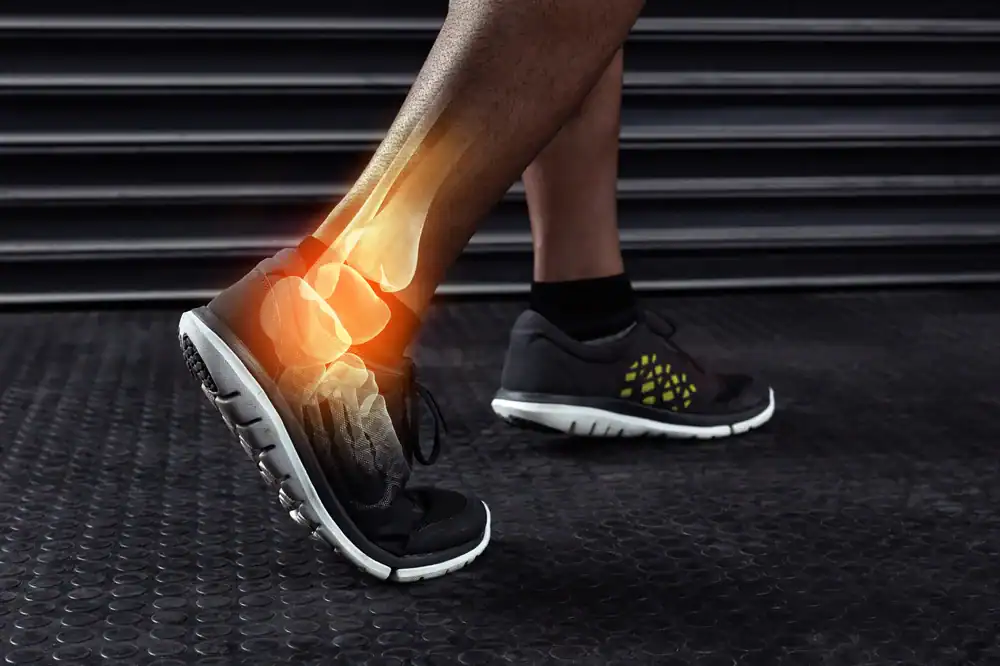
We assess your biomechanics to identify movement patterns that increase injury risk. Maybe your hips aren’t rotating properly during your golf swing, putting extra stress on your lower back. Or your ankle mobility is limited, forcing your knee to compensate during running. Fixing those issues before they cause an injury is a lot easier than treating the injury after it happens.
Research shows chiropractic interventions like spinal manipulation and soft tissue therapy are effective for both treatment and prevention of sports-related injuries. Regular adjustments help maintain proper alignment, improve flexibility, and keep your nervous system functioning optimally—all of which contribute to better performance and fewer injuries.
We treat the full range of sports injuries that athletes in Bergen Hill, NJ commonly deal with. That includes acute injuries like sprains, strains, and joint injuries, as well as chronic overuse problems like tendinitis, runner’s knee, and rotator cuff issues.
Common injuries we see include lower back pain from lifting or golf, shoulder injuries from throwing sports, knee pain from running or jumping activities, ankle sprains, hamstring and groin pulls, tennis elbow, and neck pain from contact sports or poor posture during cycling. Each of these requires a different treatment approach based on the specific tissues involved and the biomechanical factors that contributed to the injury.
We also work with athletes dealing with post-injury complications like reduced range of motion, lingering pain after the initial injury has healed, or recurring injuries that keep coming back. Often these issues stem from incomplete rehabilitation or underlying biomechanical problems that were never addressed. Chiropractic care identifies and corrects those root causes so you can get back to performing at your best.
Many insurance plans do cover chiropractic care, but coverage varies significantly depending on your specific plan. Some plans cover a set number of visits per year, while others require a referral from your primary care physician. Some cover treatment for acute injuries but not ongoing maintenance care.
The best approach is to contact your insurance provider directly and ask about your chiropractic benefits. You’ll want to know if there’s a visit limit, whether you need a referral, what your copay or coinsurance is, and if there are any specific documentation requirements for sports injury treatment.
Even if your insurance doesn’t cover chiropractic care, many athletes find the out-of-pocket cost is still less expensive than repeated urgent care visits, ongoing prescription medications, or the lost income from being unable to work or compete. We can discuss payment options during your first visit and help you understand exactly what treatment will cost before you commit to a care plan.
Chiropractic care and physical therapy both play valuable roles in sports injury recovery, but they approach treatment differently. Chiropractors focus primarily on spinal alignment, joint function, and how your nervous system controls movement and healing. Physical therapists typically focus more on strengthening exercises, functional movement training, and rehabilitation protocols.
In practice, there’s significant overlap. Both use manual therapy techniques, prescribe corrective exercises, and work to restore normal movement patterns. Many athletes benefit from both types of care, either simultaneously or at different stages of recovery. Chiropractic adjustments can restore joint mobility and reduce pain quickly, while physical therapy builds the strength and endurance needed for long-term recovery.
The key difference is that chiropractors are trained to identify and correct spinal misalignments and joint restrictions that affect your entire kinetic chain. A hip misalignment might be causing your knee pain. A thoracic spine restriction might be limiting your shoulder mobility. Chiropractic care addresses those underlying structural issues, which often leads to faster recovery and better long-term outcomes for athletes.
In New Jersey, you don’t need a referral to see a chiropractor. Chiropractors are portal-of-entry providers, which means you can schedule an appointment directly without going through your primary care physician first. That’s particularly helpful when you’re dealing with a sports injury and want to start treatment quickly.
However, some insurance plans do require a referral for chiropractic coverage even though it’s not legally required. If you’re planning to use insurance, check your specific plan’s requirements before your first visit. If a referral is needed for coverage, you can usually get one quickly from your primary care doctor.
For athletes dealing with acute injuries, the ability to seek immediate chiropractic care without waiting for referrals or appointments with multiple providers can make a significant difference in recovery time. The sooner you address the injury with proper treatment, the less likely you are to develop compensatory movement patterns or chronic problems that extend your time away from your sport.