
Hear from Our Customers
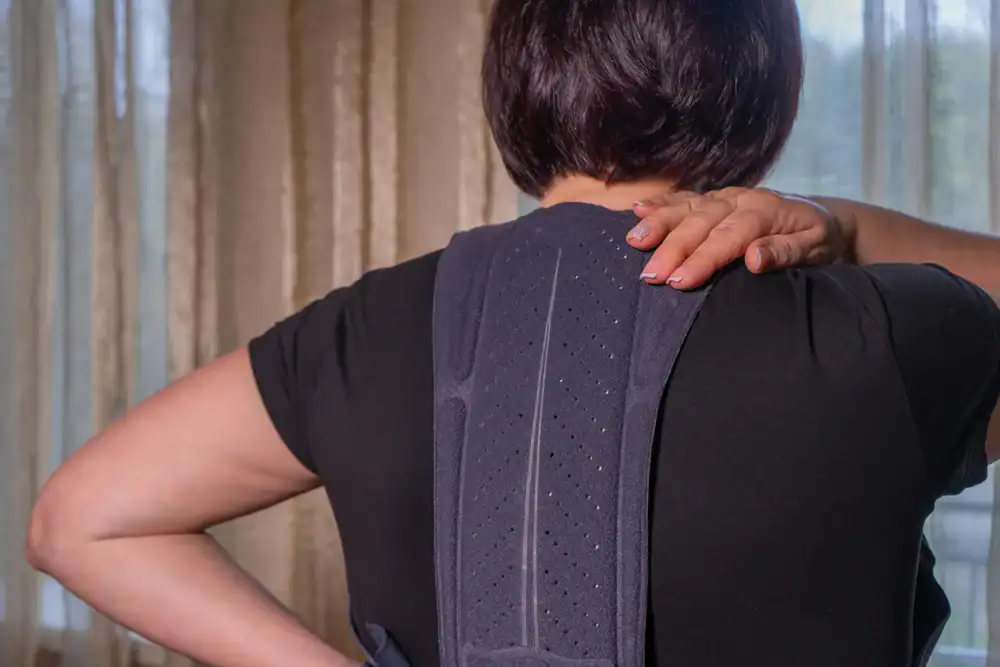
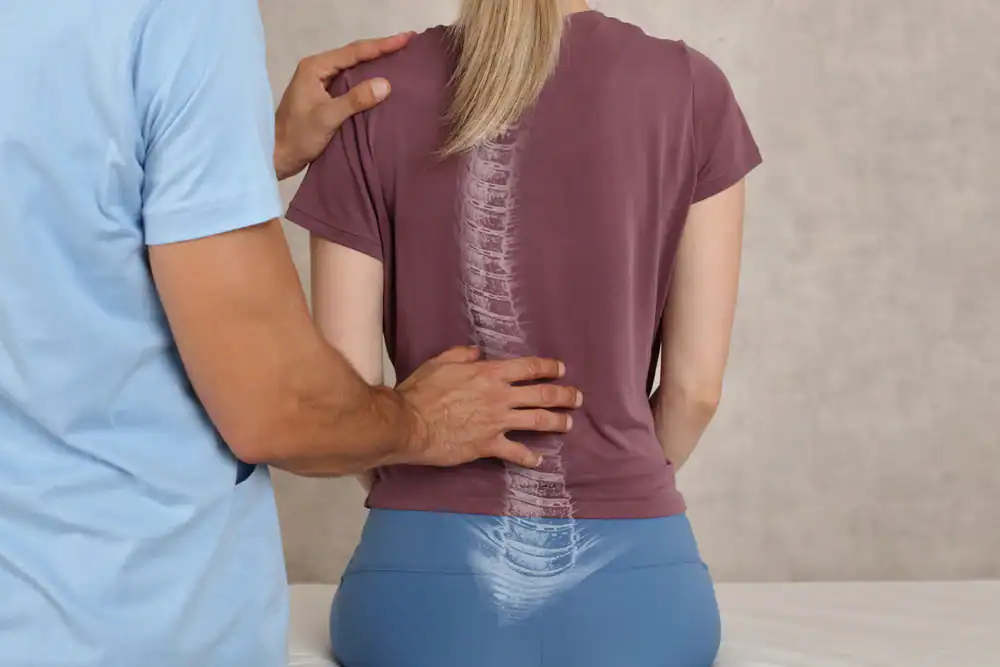
Your neck stops aching by the end of the day. Your shoulders don’t feel like they’re carrying weight that isn’t there. Headaches become less frequent, and you’re not constantly adjusting how you sit or stand to find relief.
That’s what posture correction in Pavonia, NJ actually does when it’s done right. We address the root cause—spinal misalignment and muscle imbalances—not just the symptoms you’re feeling today.
You’ll notice your head sits where it’s supposed to, not jutting forward. Your chest opens up. Breathing gets easier. The tension that’s been building for months or years starts to release because your body is finally working the way it was designed to.
Dr. Paul Roses has been practicing chiropractic in the Hudson County area since 1981. That’s over four decades of helping people in Pavonia, NJ with posture correction, spinal health, and drug-free pain relief.
This isn’t a new practice trying to figure things out. You’re working with someone who’s seen thousands of cases—from text neck in teenagers to forward head posture in office workers to upper crossed syndrome in people who’ve been compensating for years.
Pavonia sits in Jersey City, an area with a highly educated, health-conscious population that values preventive care. We understand that you’re not looking for quick fixes or gimmicks. You want real results from someone who knows what they’re doing and treats you like a person, not a number.
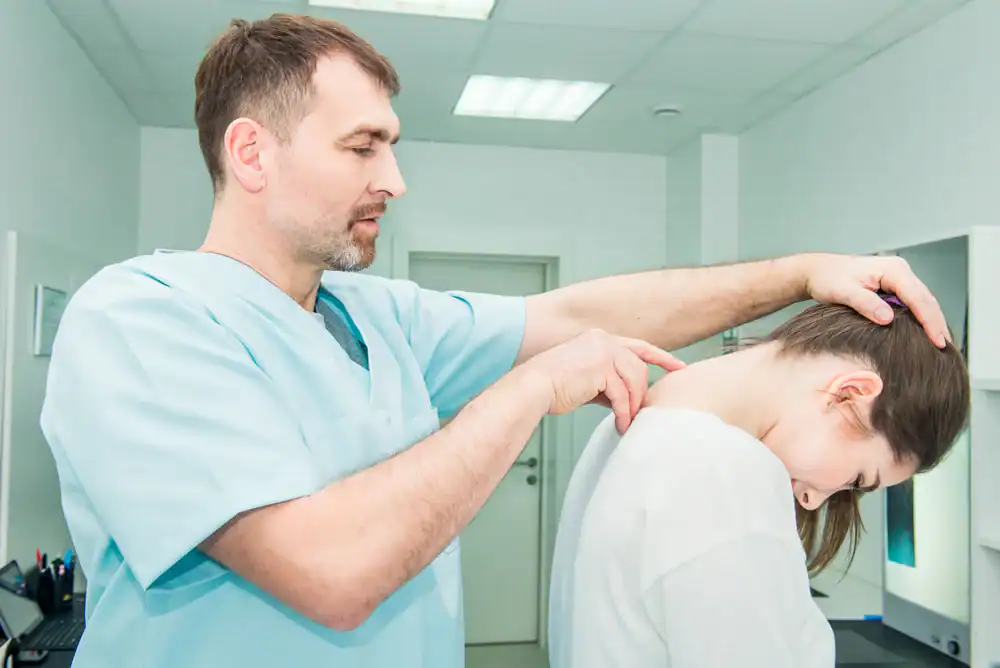
First, you get a baseline assessment. We use Titron Infrared Imaging to see exactly where your spine is misaligned and how your posture is affecting your nervous system. It’s painless and takes seconds.
Then comes the adjustment. Using advanced chiropractic techniques, we correct the subluxations—those misalignments in your spine that are pulling your head forward, rounding your shoulders, and causing that constant tightness. You’re not being cracked into place. This is precise, controlled, and designed for your specific body.
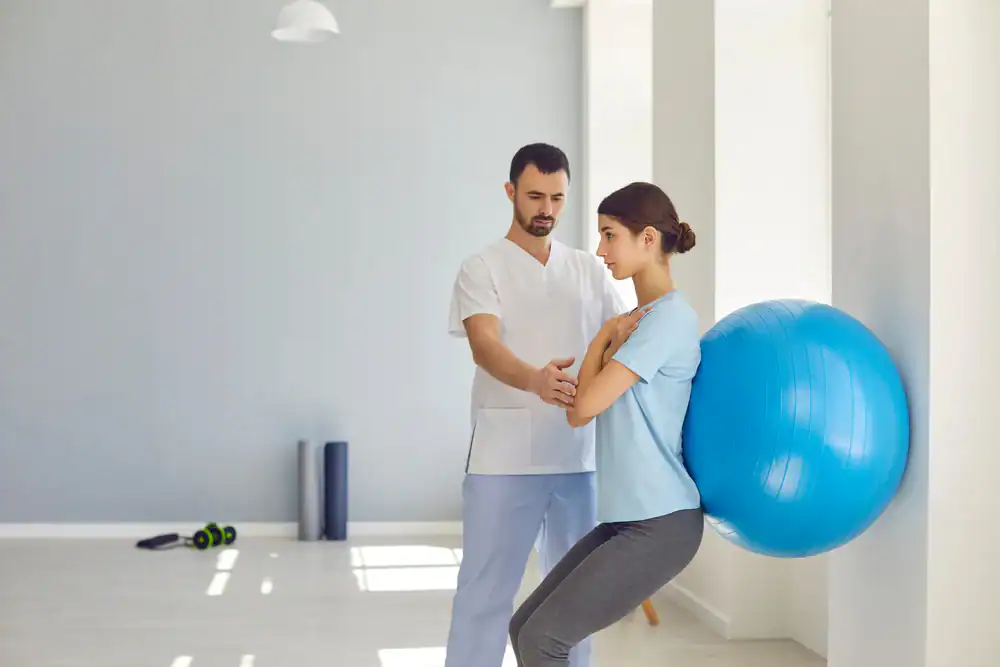
After that, you get a custom exercise plan. These aren’t generic stretches you could find online. They’re designed specifically for your posture issues—whether that’s text neck symptoms and treatment Pavonia NJ residents deal with from smartphone use, or rounded shoulders correction exercises Pavonia professionals need after years at a desk. You do them at home, and they reinforce what’s happening in the office so your body actually holds the correction.

Ready to get started?
You’re getting spinal correction that targets the specific postural distortions causing your pain—forward head posture, rounded shoulders, upper crossed syndrome. These aren’t just buzzwords. They’re real conditions that develop from looking down at screens, sitting at desks, and compensating for old injuries.
You’re also getting upper crossed syndrome stretches Pavonia NJ chiropractors actually recommend, not random internet advice. These exercises are part of your treatment plan and designed to strengthen the muscles that have been overstretched and relax the ones that are too tight.
In Pavonia, where a significant portion of the population works in educational services and healthcare, long hours in front of computers are the norm. That means text neck and forward head posture aren’t occasional issues—they’re epidemic. We’ve built our practice around addressing these exact problems with proven, non-invasive methods that don’t require you to take time off work or depend on pain medication.
You’ll also get lifestyle coaching. That means learning which activities are making things worse and how to adjust your daily habits so you’re not undoing the progress you’re making.
It depends on how long you’ve had it and how severe it is. If you’ve been dealing with forward head posture for a few months, you might start noticing changes within a few weeks of consistent treatment and exercises. If it’s been years, expect a longer timeline—usually a few months of regular adjustments and home exercises.
The key is consistency. Your body didn’t develop forward head posture overnight, and it won’t correct itself overnight either. But with the right spinal adjustments and targeted exercises, most people see measurable improvement in their posture and a reduction in neck pain, headaches, and shoulder tightness within the first month.
We use baseline imaging to track your progress, so you’re not guessing whether it’s working. You’ll see the changes in your spinal alignment as they happen.
Text neck shows up as neck pain, stiffness, and a forward head position that gets worse the longer you’re on your phone or computer. You might also get headaches, shoulder tightness, pain down your arm, and even jaw discomfort. Some people feel fatigue because their muscles are constantly working to hold their head up in an unnatural position.
Chiropractic helps because it corrects the spinal misalignments causing those symptoms. When your cervical spine is in flexion for hours every day—like when you’re looking down at a screen—it creates stress on the joints, muscles, and nerves. We adjust the spine to restore proper alignment, which takes the pressure off and allows your body to heal.
You’ll also get exercises to strengthen the muscles that support your neck and upper back. That combination—adjustments plus exercises—is what actually fixes text neck, not just masks the pain.
Yes. Rounded shoulders are usually the result of muscle imbalances and postural habits, not structural damage that requires surgery. Chiropractic adjustments realign your spine and ribcage, which allows your shoulders to sit back where they’re supposed to be.
But the adjustment alone isn’t enough. You also need to strengthen the muscles between your shoulder blades and stretch the tight muscles in your chest. That’s why we give you specific rounded shoulders correction exercises to do at home—they retrain your body to hold the correct posture.
Most people in Pavonia dealing with rounded shoulders have spent years sitting at desks, driving, or using smartphones. Those habits pull your shoulders forward over time. Correcting it takes consistent treatment and a willingness to change some of those daily patterns, but it’s absolutely doable without surgery or medication.
Upper crossed syndrome is a specific pattern of muscle imbalance. Your chest and upper neck muscles get tight, while your upper back and deep neck muscles get weak. The result is forward head posture, rounded shoulders, neck pain, upper back pain, headaches, and fatigue.
It’s incredibly common in people who work at computers or look down at phones for long periods. In Pavonia, where many residents work in professional or healthcare settings, it’s one of the most frequent postural issues we treat.
Treatment involves spinal adjustments to correct the misalignments in your neck and upper back, plus targeted stretches and strengthening exercises. You’ll stretch the tight muscles—like your pecs and upper traps—and strengthen the weak ones—like your rhomboids and deep neck flexors. The combination rebalances your posture and eliminates the symptoms. Most people feel relief within a few weeks if they’re consistent with their exercises.
Many insurance plans cover chiropractic care, including posture correction treatment, especially if it’s related to pain or a diagnosed condition like forward head posture or upper crossed syndrome. Coverage varies depending on your plan, so it’s worth calling your insurance provider to ask about chiropractic benefits.
Our office can help you navigate your insurance and figure out what’s covered. Even if your plan doesn’t cover everything, chiropractic is often more affordable than long-term medication, physical therapy, or surgery—and it’s non-invasive.
The bigger question is whether you want to keep dealing with the pain, headaches, and stiffness, or invest in fixing the root cause. Posture correction isn’t just about feeling better today. It’s about preventing permanent issues like chronic neck pain, arthritis, and nerve damage down the road.
Yes, but it takes longer. If you’ve had forward head posture or rounded shoulders for years, your body has adapted to that position. Your muscles, ligaments, and joints have all adjusted to compensate. Correcting it means retraining your entire system, which doesn’t happen in a few visits.
That said, we’ve been treating chronic postural issues in Pavonia, NJ since 1981. We’ve seen people with decades of poor posture make significant improvements through consistent chiropractic care and exercise. The key is realistic expectations and commitment to the process.
You’ll likely need regular adjustments for several months, along with daily exercises at home. But the payoff is real—less pain, better mobility, improved breathing, and a lower risk of long-term complications like arthritis or nerve damage. Even if your posture doesn’t become perfect, getting it closer to normal makes a massive difference in how you feel every day.