

Hear from Our Customers
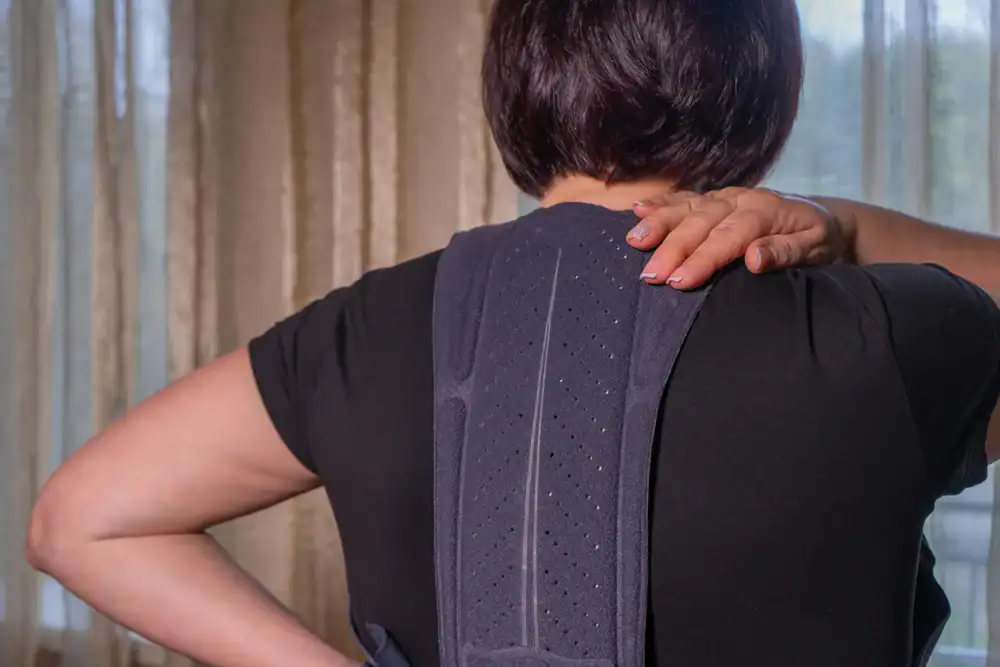
Your neck stops throbbing by 3 PM. You can turn your head without wincing. That constant tension between your shoulder blades finally lets go.
Posture correction in McGinley Square, NJ isn’t about standing straighter for appearances. It’s about undoing the damage from years of looking down at your phone on the PATH, sitting in front of a monitor for eight hours, or carrying a toddler on one hip while you’re trying to get dinner started.
When forward head posture gets corrected, the strain on your cervical spine drops. When rounded shoulders get pulled back into alignment, your chest opens up and breathing gets easier. When upper crossed syndrome gets addressed, those headaches that start at the base of your skull and wrap around your temples start happening less often—or stop entirely.
You move better. You sleep better. You stop reaching for ibuprofen every afternoon. That’s what actually matters.
Dr. Paul Roses has been serving Hudson County for over three decades. He didn’t get into chiropractic to sell you a membership or upsell you on gadgets—he got into it because he saw how many people were suffering unnecessarily from problems that drugs and surgery couldn’t fix.
We focus on spinal alignment, postural screenings, and corrective exercises that actually work. We’re not interested in quick fixes that don’t last. We’re interested in helping you understand what’s causing your pain, then giving you a treatment plan that addresses it at the source.
McGinley Square residents deal with specific posture problems—long commutes on crowded trains, work-from-home setups that weren’t designed for eight-hour days, and the constant forward lean that comes from staring at phones. We see it every day, and we know how to fix it.

First, we assess where your posture has gone wrong. That means looking at your head position, shoulder alignment, spinal curvature, and range of motion. We check for forward head posture, text neck, rounded shoulders, and upper crossed syndrome—the four most common issues we see in McGinley Square.
Then we build a treatment plan. For forward head posture in McGinley Square, NJ, that usually means manual adjustments to realign your cervical spine, combined with specific stretches to loosen tight neck and chest muscles. For text neck symptoms and treatment in McGinley Square, NJ, we use targeted exercises over 10 weeks to restore normal alignment and reduce pain.
Rounded shoulders correction exercises in McGinley Square, NJ focus on strengthening your upper back while releasing tension in your chest. Upper crossed syndrome stretches in McGinley Square, NJ follow a four-step process: release the tight muscles, activate the weak ones, improve range of motion, and build strength so the correction holds.
You’re not just getting adjusted and sent home. You’re learning what’s causing the problem and how to keep it from coming back.

Ready to get started?
Every posture correction plan at Roses Chiropractic starts with a full biomechanical assessment. We look at your feet, your posture, your range of motion, and run muscle and orthopedic tests to see exactly where the dysfunction is coming from.
From there, you get spinal adjustments designed to restore normal alignment. We use manual therapy to release tight muscles in your neck, shoulders, and upper back. You’ll also get a customized exercise plan—specific stretches and strengthening movements you can do at home to support the work we’re doing in the office.
For McGinley Square residents dealing with tech neck from commuting or remote work, we integrate real-time posture feedback and tracking tools when appropriate. Studies show that clinics using wearable posture devices report 10% lower recurrence rates for back pain, and we’ve seen similar results with patients who stay consistent.
This isn’t a one-size-fits-all approach. Your posture problems didn’t develop overnight, and they won’t get fixed in a single visit. But with the right plan and consistent effort, most people see significant improvement within weeks—not months.

It depends on how severe your forward head posture is and how long you’ve had it. Most people start feeling relief within the first few visits—less neck pain, fewer headaches, easier movement. But actual correction takes longer.
For mild cases, you might see noticeable improvement in 4 to 6 weeks with consistent treatment and home exercises. For moderate to severe forward head posture, expect 10 to 12 weeks of active correction, followed by maintenance visits to make sure the changes stick.
The key is consistency. If you come in for adjustments but don’t do the stretches and strengthening exercises at home, progress will be slower. Your body has been holding that forward head position for years—it takes time to retrain the muscles and ligaments to support a healthier alignment.
Text neck shows up as pain and stiffness in your neck and upper back, especially after looking down at your phone or computer for a while. You might also get headaches that start at the base of your skull, shoulder pain, or a feeling of tightness across your chest.
Over time, text neck can lead to reduced range of motion—you can’t turn your head as far, or tilting it back becomes uncomfortable. Some people also experience tingling or numbness in their arms if the nerve compression gets bad enough.
Chiropractic treatment for text neck in McGinley Square, NJ works by realigning your cervical spine, releasing the tight muscles pulling your head forward, and strengthening the muscles that should be holding it upright. Research shows that a 10-week targeted exercise program combined with manual therapy can significantly improve postural alignment and reduce neck pain. It’s not a quick fix, but it works if you stick with it.
Yes. Rounded shoulders are almost always a muscular imbalance issue, not a structural deformity that requires surgery. Your chest muscles get tight from sitting hunched forward all day, and your upper back muscles get weak from lack of use. That imbalance pulls your shoulders forward.
Rounded shoulders correction exercises in McGinley Square, NJ focus on stretching the tight muscles in your chest and front of your shoulders, then strengthening the muscles in your upper back—your rhomboids, middle traps, and rear delts. When those muscles get strong enough to pull your shoulders back into proper alignment, the rounding goes away.
Chiropractic adjustments help by making sure your thoracic spine is moving correctly and your shoulder joints aren’t restricted. But the real work happens with the exercises. You need to do them consistently—at least three to four times a week—for several weeks before you’ll see lasting change. It’s not complicated, but it does take effort.
Upper crossed syndrome is a specific pattern of muscle imbalance where your chest and neck muscles are tight, and your upper back and deep neck flexor muscles are weak. It creates a “crossed” pattern when you look at it from the side—tight muscles on one diagonal, weak muscles on the other.
The result is forward head posture, rounded shoulders, and a lot of neck and shoulder pain. It’s extremely common in people who sit at desks, use computers all day, or spend a lot of time looking down at their phones—which describes most of McGinley Square.
Upper crossed syndrome stretches in McGinley Square, NJ follow a four-step corrective process. First, we release the tight muscles using manual therapy and specific stretches. Second, we activate the weak muscles with targeted exercises. Third, we work on improving your range of motion through adjustments and mobility work. Fourth, we build strength in those weak muscles so the correction holds long-term. The whole process usually takes 8 to 12 weeks, depending on severity.
The average chiropractic visit costs around $65, but your total cost depends on how many visits you need and what your insurance covers. Some plans cover chiropractic care fully, others cover a portion, and some don’t cover it at all.
During your first visit, we’ll do a full assessment and give you a clear treatment plan with an estimated timeline. That way, you know upfront what to expect—not just clinically, but financially. We’re not interested in stringing you along for months of unnecessary visits.
Most posture correction plans involve weekly visits for the first 4 to 6 weeks, then tapering down to every other week as your body starts holding the changes. After that, some people come in monthly for maintenance, others only when they feel like they need a tune-up. We’ll work with you to figure out what makes sense for your situation and your budget.
You can make improvements at home with the right exercises and awareness, but if you’re already dealing with pain, restricted movement, or postural issues that have been building for years, you’ll get better results faster with professional help.
We can assess exactly where your alignment is off and make adjustments that you can’t do yourself. We can also identify compensations and imbalances you wouldn’t notice on your own—like one hip sitting higher than the other, or your head tilting slightly to one side. Those details matter when you’re trying to correct posture long-term.
That said, the exercises you do at home are just as important as the adjustments you get in the office. Chiropractic care realigns your spine and releases restrictions, but strengthening and stretching are what keep you aligned once you leave. Think of it as a team effort—we handle the manual corrections and give you the roadmap, you handle the daily maintenance. Both pieces need to happen for lasting change.