

Hear from Our Customers
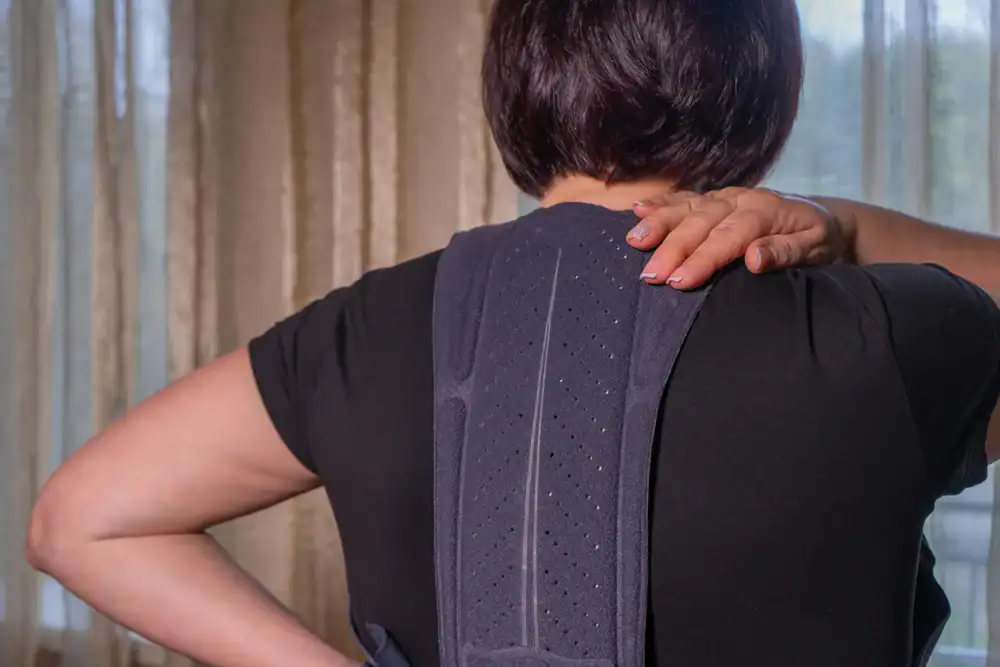
Your head stops feeling like it weighs twice what it should. The constant tightness between your shoulder blades starts to release. You can turn your neck without wincing.
That’s what happens when forward head posture in Liberty State Park gets addressed the right way—not with a brace you wear for two weeks and forget about, but with actual spinal correction that retrains how your body holds itself. Most people spend 700 to 1,400 hours a year looking down at their phones. That’s not going away. But the 40 to 60 pounds of extra force it puts on your cervical spine? That can.
You’ll notice it first in how you feel at your desk. Then in how your shoulders sit. Then in the headaches that used to show up every afternoon and just… don’t anymore. The goal isn’t perfect posture. It’s a spine that works the way it’s supposed to, so you can get through your day without constantly adjusting, stretching, or popping ibuprofen.
Dr. Paul Roses has been serving Hudson County since he graduated from Life Chiropractic College over 40 years ago. That’s thousands of patients, most of whom came in because something hurt and nothing else was working.
Liberty State Park draws people from all over—commuters, remote workers, families who moved here for the views and the access to Manhattan. That means a lot of long train rides, a lot of hours at makeshift home offices, and a lot of text neck symptoms in Liberty State Park that people assume they just have to live with. They don’t.
We use state-of-the-art diagnostic tools like Titron Infrared Imaging to see exactly what’s happening in your spine, then build a plan around your body—not a template. You’re not getting a generic adjustment and sent home with a printout. You’re getting a corrective approach that actually holds.

First, we assess. That means imaging, posture analysis, and a real conversation about what you do all day—because your job, your commute, and your setup at home all matter. If you’re working from a kitchen table in a folding chair, that’s going to show up in your spine.
Then we adjust. Not the crack-and-go kind. The kind that’s designed to correct alignment over time, using techniques that match what your body actually needs. Some people feel relief after one visit. Most notice real change within a few weeks.
Then we teach you what to do when you’re not here. Rounded shoulders correction exercises in Liberty State Park aren’t complicated, but they are specific. You’ll get a blueprint designed for your posture issues—exercises you can do at home that strengthen the muscles supporting your neck and upper back. The adjustment gets you aligned. The exercises keep you there.

Ready to get started?
You get a full baseline assessment using advanced imaging that shows us exactly where the stress is sitting in your spine. You get adjustments that target the root cause—not just the symptoms. And you get a personalized exercise plan with upper crossed syndrome stretches in Liberty State Park that you can actually do without a gym membership or an hour of free time.
We also coach you on the stuff that’s making it worse. How you’re sitting. How you’re holding your phone. How your monitor’s positioned. Small changes that add up when you’re doing them 8 hours a day. Nearly 70% of remote workers deal with pain from bad ergonomics, and most of them have no idea their setup is the problem.
This isn’t about selling you on endless visits. It’s about fixing the issue so it doesn’t keep coming back. That means stronger muscles, better alignment, and habits that support your spine instead of slowly wrecking it. You’ll leave with tools, not just temporary relief.

It depends on how long you’ve had it and how severe it is. If you’ve been dealing with text neck for a few months, you might see noticeable improvement in 3 to 6 weeks. If it’s been years and your spine has started to adapt to the misalignment, it could take a few months of consistent care.
The adjustment work usually brings relief pretty quickly—a lot of people feel different after the first or second visit. But actual correction, where your body starts holding the new alignment on its own, takes longer. That’s where the exercises come in. They retrain the muscles that have been compensating for bad posture, so the changes stick.
You’re not going to walk out of here standing like a Marine after one appointment. But you will start to notice that your neck doesn’t ache by mid-afternoon, that you’re not constantly rolling your shoulders back, and that you can sit through a meeting without feeling like you need to stretch every ten minutes.
Neck pain is the obvious one, but it’s rarely the only one. You might get headaches that start at the base of your skull. Tightness across your shoulders that never really goes away. Pain that runs down your arm or into your forearm, especially after a long day at the computer.
Upper crossed syndrome shows up as rounded shoulders, a forward head position, and a stiff upper back. Your chest muscles get tight, your upper back gets weak, and your neck has to work overtime to keep your head up. That’s where the 40 to 60 pounds of extra pressure comes from when you’re looking down at your phone.
Some people also get jaw pain or a decrease in neck flexibility—like you can’t check your blind spot without turning your whole body. If any of that sounds familiar, it’s worth getting looked at. These things don’t fix themselves, and waiting usually just means more compensation and more pain down the line.
Yes, because most neck pain from remote work comes from posture issues that chiropractic care is designed to address. When you’re working from home, especially if your setup isn’t great, you end up in positions your spine wasn’t built for. Laptop on the couch. Monitor too low. Chair with no support.
That creates the same forward head posture and rounded shoulders you’d get from staring at your phone all day, except you’re doing it for 8-plus hours straight. Your neck gets stiff, your shoulders get tight, and eventually it starts to hurt.
Posture correction fixes the alignment, and the exercises we give you strengthen the muscles that should be supporting your neck and upper back. We’ll also walk you through ergonomic changes that make a real difference—simple stuff like raising your monitor, adjusting your chair height, or setting reminders to move. You don’t need a standing desk or a $1,000 chair. You just need a setup that doesn’t fight your body all day.
Yes. Chiropractic care doesn’t involve medication or surgery. It’s a hands-on approach that works with your body’s ability to heal and adapt when the underlying issue—misalignment—gets corrected.
We’re not prescribing painkillers that mask the problem or recommending invasive procedures that come with months of recovery. We’re adjusting your spine so it can function the way it’s supposed to, and teaching you how to support that with movement and better habits.
That doesn’t mean it’s a magic fix. You still have to show up, do the exercises, and make changes to the things that caused the problem in the first place. But for people who want to avoid drugs or who’ve been told surgery is their only option, chiropractic offers a proven alternative. Plenty of patients have avoided back or neck surgery entirely by starting with chiropractic care. It’s not about belief. It’s about biomechanics.
The most effective ones target the muscles that have gotten weak from poor posture—your upper back, your deep neck flexors, and your lower traps. Chin tucks are a big one. They retrain your neck to hold your head in the right position instead of jutting forward.
Shoulder blade squeezes help strengthen the muscles between your shoulder blades, which tend to get overstretched and weak when you’re hunched over all day. Doorway stretches open up your chest, which gets tight and pulls your shoulders forward.
We’ll give you a specific plan based on what we see in your assessment, because not everyone needs the same exercises. Some people need more stretching. Some need more strengthening. Some need both. The key is consistency—doing them a few times a week actually works. Doing them once and forgetting about it doesn’t.
These aren’t complicated. You don’t need equipment. You just need to actually do them. And when you pair them with adjustments that correct the alignment, they work a lot faster than trying to stretch your way out of a posture problem on your own.
Cost depends on how much care you need and whether insurance covers part of it. Some plans cover chiropractic, some don’t, and some cover a certain number of visits per year. We’ll walk you through that during your first visit so there’s no confusion.
What we can tell you is that most people find it more affordable than they expected—especially compared to ongoing physical therapy, repeated doctor visits, or medications they’d be taking indefinitely. And definitely compared to surgery, which can run into the tens of thousands even with insurance.
We’re not the cheapest option in Hudson County, and that’s intentional. You’re not getting a quick adjustment and a “see you next week” routine. You’re getting diagnostic imaging, a personalized treatment plan, corrective exercises, and coaching on how to keep the problem from coming back. That takes time, and it’s worth it if you actually want the issue fixed instead of just managed.