

Hear from Our Customers
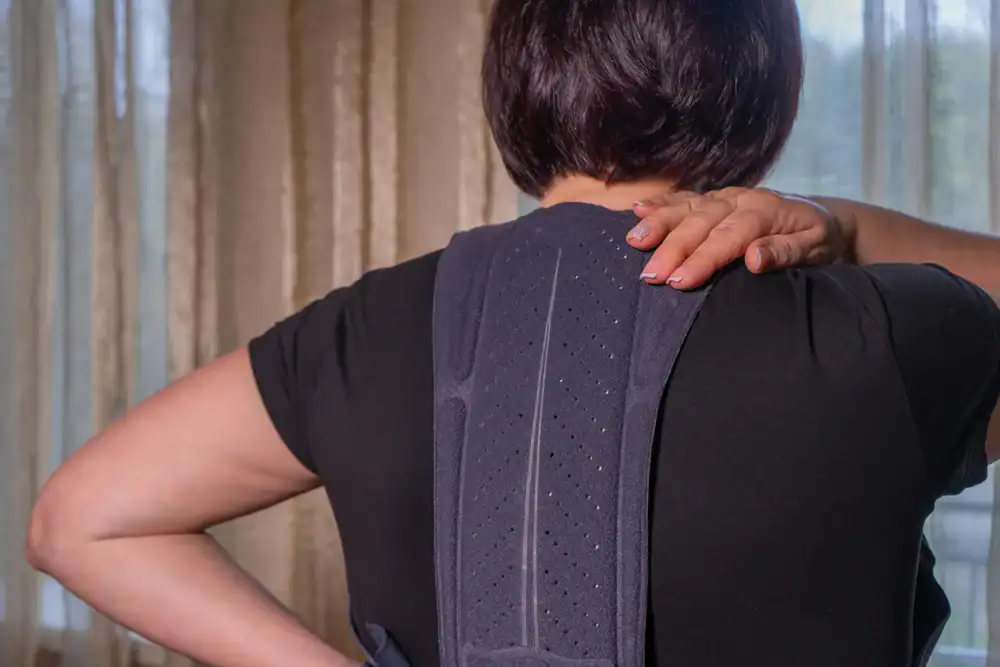
You stop waking up stiff. The headaches that show up every afternoon start disappearing. Your shoulders don’t feel like they’re carrying extra weight by the end of the day.
Forward head posture in Curries Woods isn’t just about how you look in photos. Every inch your head sits forward adds ten pounds of pressure on your neck. That’s why text neck symptoms show up as tension headaches, shoulder pain, and that burning feeling between your shoulder blades.
Posture correction addresses the root cause. Spinal adjustments realign your neck and upper back. Targeted exercises retrain the muscles that have been compensating for years. Ergonomic changes make sure you’re not undoing progress every time you sit down to work.
The goal isn’t perfect posture. It’s getting you back to moving without pain, sleeping through the night, and not thinking about your neck every time you turn your head.
Dr. Paul Roses didn’t stumble into chiropractic care. He chose it after seeing what spinal health could do for people dealing with chronic pain. He studied at St. Peter’s University, trained under experienced chiropractors in Bayonne, and opened Roses Chiropractic to serve families in Jersey City and surrounding communities like Curries Woods.
Our practice focuses on real results, not quick fixes. You’re not getting adjusted once and sent home with a pamphlet. You’re getting a treatment plan that includes spinal adjustments, corrective exercises, and the kind of follow-up that actually makes changes stick.
Curries Woods residents deal with the same posture issues as everyone working from kitchen counters and couches. The difference is having someone local who knows how to fix it and keeps you accountable until it’s done.
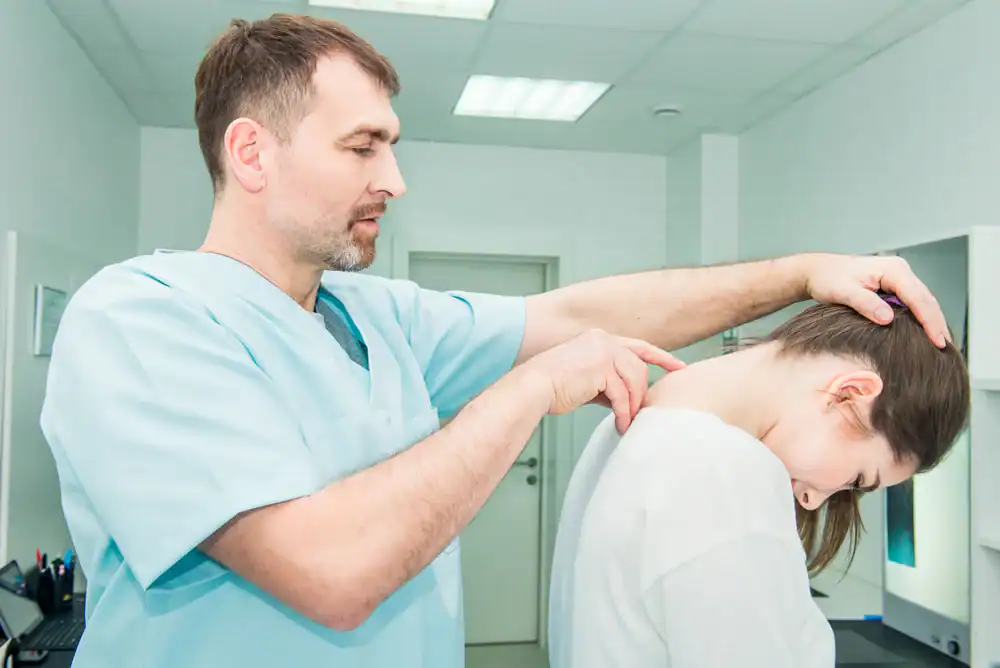
First visit is an assessment. You’ll talk about what’s bothering you, when it started, and what makes it worse. Dr. Roses will check your posture, range of motion, and spinal alignment to see what’s actually going on.
Then comes the treatment plan. If you’ve got rounded shoulders and upper crossed syndrome in Curries Woods, the approach combines spinal adjustments to restore alignment, soft tissue therapy to release tight muscles, and specific exercises to strengthen what’s weak. You’re not doing generic stretches from YouTube. You’re doing what your body actually needs.
Follow-up visits track progress. Some people feel relief after the first adjustment. Others take a few weeks to notice real change. Either way, you’ll know what’s working because you’re being monitored, adjusted, and guided through the process.
The end goal is independence. You learn how to maintain good posture, what ergonomic setup works for your workspace, and how to catch problems before they turn into pain again.

Ready to get started?
Spinal adjustments are the foundation. These aren’t the dramatic twists you see in videos. They’re controlled, precise movements that restore proper alignment to your neck and upper back. When your spine is aligned, your muscles don’t have to work as hard to hold you upright.
Corrective exercises target the imbalances causing your posture problems. If you’ve got text neck symptoms in Curries Woods from hours on your phone, you’ll work on strengthening your deep neck flexors and stretching your chest muscles. If rounded shoulders are the issue, the focus shifts to upper back strength and shoulder mobility.
Ergonomic guidance makes sure you’re not sabotaging yourself at work or home. Small changes to your desk setup, monitor height, or how you hold your phone can make a massive difference. You’ll get specific recommendations based on how you actually spend your day.
Soft tissue therapy releases the tension that builds up from poor posture. Tight muscles in your neck, shoulders, and upper back get addressed through manual therapy techniques that improve blood flow and reduce pain.

Most people start noticing changes within four to six weeks of consistent treatment. That includes regular adjustments, doing the exercises at home, and making the ergonomic changes recommended during your visits.
The timeline depends on how long you’ve had the problem and how severe it is. If you’ve been dealing with forward head posture for years, your muscles and ligaments have adapted to that position. It takes time to retrain them. If it’s a newer issue from a few months of bad work-from-home setup, you’ll likely see faster results.
Consistency matters more than intensity. Coming in for adjustments, doing your exercises three times a week, and being mindful of your posture throughout the day will get you further than sporadic visits and hoping things improve on their own. You’re retraining your body, and that takes repetition.
Tension headaches are at the top of the list. They usually start at the base of the skull and radiate forward. They show up in the afternoon after hours of looking down at a screen or phone.
Neck stiffness and reduced range of motion come next. You go to check your blind spot while driving and realize you can’t turn your head as far as you used to. Or you wake up with a stiff neck that takes an hour to loosen up.
Shoulder and upper back pain round out the common complaints. That burning sensation between your shoulder blades, the feeling like your shoulders are up by your ears, and the constant urge to roll your shoulders back to find relief. These are all signs that your posture is putting stress on muscles that weren’t designed to work that hard.
Exercises help, but they’re not the whole solution if your spine is already misaligned. Rounded shoulders usually come with forward head posture and upper crossed syndrome. That means tight chest muscles, weak upper back muscles, and a neck that’s compensating for everything.
Stretching your chest and strengthening your back will improve muscle balance. But if your thoracic spine is locked up or your neck joints aren’t moving properly, you’re working against a structural problem. Adjustments restore mobility to those joints so your exercises can actually do their job.
The best results come from combining both. Adjustments fix the alignment. Exercises retrain the muscles to support that new alignment. Trying to do one without the other is like trying to fix a crooked fence by painting it. It might look a little better, but the underlying issue is still there.
Yes, most insurance plans cover chiropractic care when it’s medically necessary. Posture correction falls under that category when it’s causing pain, limiting your range of motion, or affecting your daily function.
You’ll want to check your specific plan to see what your coverage looks like. Some plans cover a set number of visits per year. Others require a copay per visit. Our office can verify your benefits before you come in so you know what to expect.
If you don’t have insurance or your plan doesn’t cover chiropractic, there are cash pay options available. The goal is to make treatment accessible, not to create a financial barrier that keeps you in pain.
Upper crossed syndrome happens when certain muscles get tight and others get weak from prolonged poor posture. Your chest and upper traps get tight from rounding forward. Your deep neck flexors and lower traps get weak from not being used properly. This creates an imbalance that pulls your head forward and your shoulders up.
It’s incredibly common in people who work at desks, use their phones constantly, or spend a lot of time driving. Curries Woods residents working remotely from makeshift home offices are dealing with this more than ever. You’re not set up ergonomically, so your body adapts in ways that create pain.
Treatment focuses on restoring balance. Adjustments improve mobility in your mid-back and neck. Soft tissue work releases the tight muscles. Specific exercises strengthen the weak ones. And ergonomic changes prevent the problem from coming back. It’s a comprehensive approach because the problem didn’t develop from just one thing, so fixing it requires addressing multiple factors.
If your pain gets worse the longer you sit, improves when you move around, and you notice your head sitting forward or your shoulders rounding when you catch your reflection, posture is likely a major factor. If you’re constantly adjusting how you sit trying to get comfortable, that’s another sign.
Other indicators include headaches that start in your neck, shoulder pain that doesn’t have an obvious injury cause, and stiffness that’s worse in the morning or after long periods in one position. These patterns point to postural stress rather than acute injury.
The assessment during your first visit will confirm what’s going on. Dr. Roses will check your posture, test your range of motion, and evaluate your spine to see where the problem is coming from. If it’s not a posture issue, you’ll be pointed in the right direction. But if it is, you’ll have a clear plan to fix it.