
Hear from Our Customers
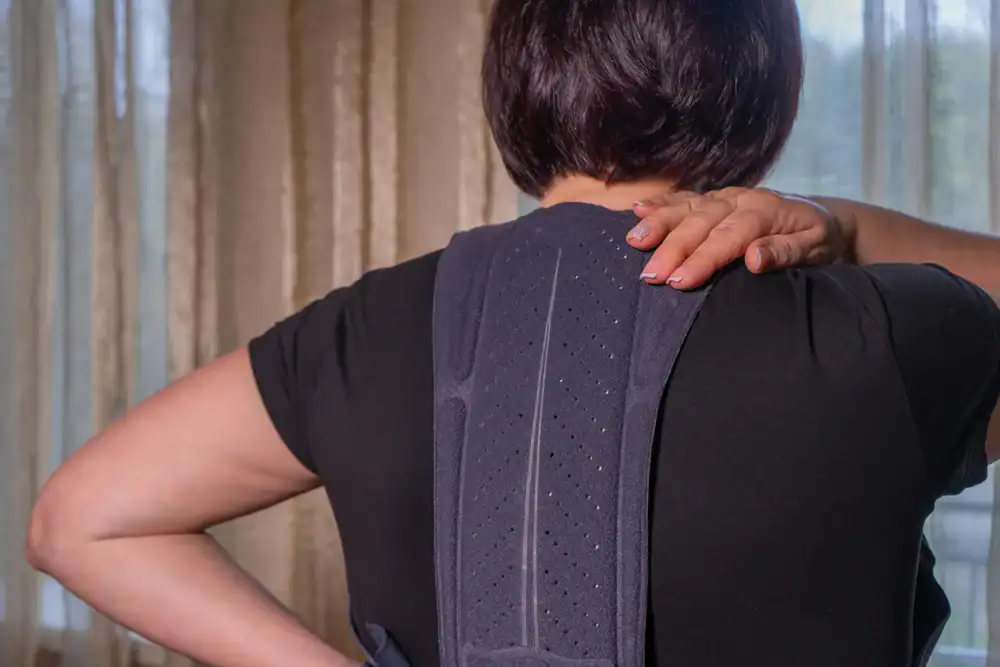
Your neck stops aching by the end of the workday. You can turn your head without that grinding sensation. The tension headaches that used to hit every afternoon start disappearing.
That’s what happens when we actually address how to fix forward head posture in Bergen-Lafayette, NJ instead of just telling you to “sit up straight.” Your shoulders drop back where they belong. You breathe easier because your ribcage isn’t compressed.
The stiffness you feel getting out of your car goes away. You stop reaching for pain relievers multiple times a week. Your body starts working the way it’s supposed to because the alignment is finally correct.
Dr. Paul Roses has been treating posture problems in Hudson County since 1981. That’s over 40 years of seeing what happens when people spend hours hunched over desks, phones, and steering wheels in Bergen-Lafayette, NJ.
We use Titron Infrared Imaging to show you exactly what’s happening in your spine. No guessing. You see the baseline, then you see the progress as your posture corrects.
Our practice sits right on Avenue C in Bayonne, serving Bergen-Lafayette residents who are tired of temporary fixes. We don’t just adjust your spine and send you home. You get specific exercises designed for your exact problem, not generic stretches from a handout.
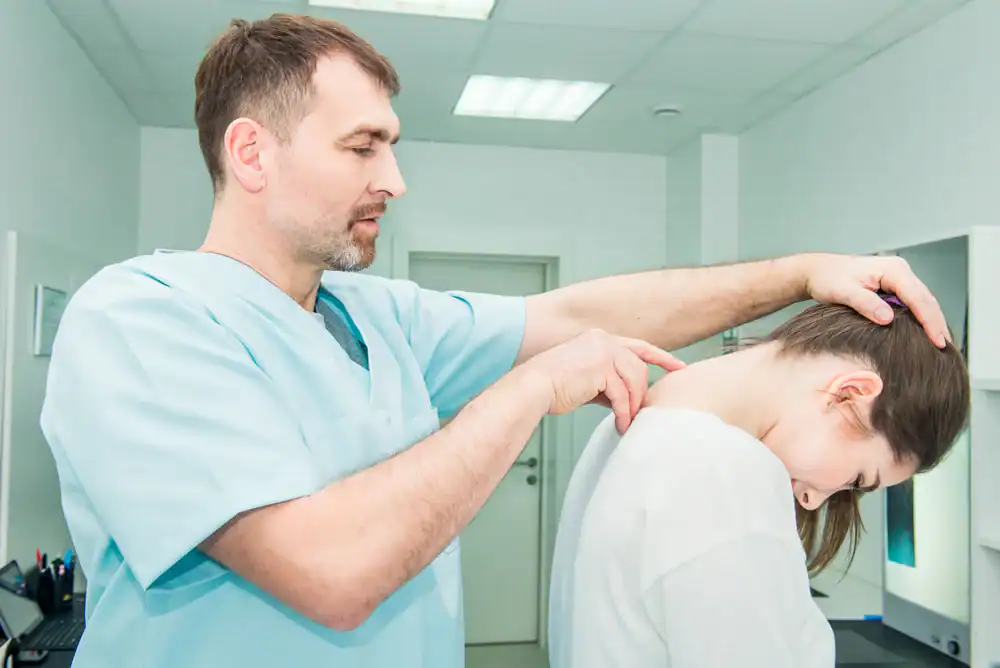
First, you get scanned with infrared imaging. Takes seconds. It shows exactly where your spine is misaligned and how much stress you’re carrying in your neck and shoulders.
Dr. Roses reviews the scan with you and explains what’s causing your specific issues. If you’ve got text neck symptoms and treatment in Bergen-Lafayette, NJ starts with understanding why your head is sitting three inches forward and what that’s doing to your cervical spine.
You’ll likely need x-rays to see the full picture. Then treatment starts with targeted adjustments to begin correcting the alignment. You’re also getting a personalized exercise plan, what we call your “blueprint,” designed specifically for your posture problems.
Most people notice they’re walking differently after three adjustments. Pain starts dropping within weeks. But the exercises are what keep the correction in place after you leave the office.

Ready to get started?
You’re getting spinal adjustments that target the exact vertebrae causing your forward head posture. Not general adjustments. Specific corrections based on what the imaging and x-rays show.
You’re getting rounded shoulders correction exercises in Bergen-Lafayette, NJ that strengthen the muscles pulling your shoulders back while stretching the ones that have gotten too tight from sitting. These aren’t random stretches. They’re addressing your muscle imbalances.
For upper crossed syndrome stretches in Bergen-Lafayette, NJ, you’re learning how to release the tension in your neck and chest while activating the weak muscles in your upper back. We show you what to avoid doing during your day that’s making things worse.
You also get lifestyle coaching. That means understanding which activities are aggravating your spine and how to modify them. If you’re spending hours on your phone, you’re learning how to hold it differently so you’re not adding 49 pounds of pressure to your neck every time you look down.

Most people start feeling relief within a few weeks, but actual correction takes longer. Your head didn’t move forward overnight, and it’s not snapping back in one adjustment.
You’re looking at consistent treatment over several months to retrain the muscles, realign the spine, and build new habits. Some patients walk normally after three adjustments. Pain drops fast. But maintaining that correction means doing the exercises and coming in for follow-ups.
The timeline depends on how severe your forward head posture is and how long you’ve had it. Someone who’s been hunched over a computer for 15 years needs more correction than someone catching it early. Dr. Roses gives you a realistic timeline after seeing your imaging.
Text neck shows up as persistent neck pain, stiffness when you try to look up, headaches that start at the base of your skull, and shoulder tension that won’t release. You might also notice numbness or tingling in your hands if it’s compressing nerves.
Treatment in Bergen-Lafayette, NJ starts with spinal adjustments to restore proper cervical alignment. You’re also getting exercises that strengthen your neck extensors and stretch your chest muscles. The goal is reversing the forward head position that’s causing the symptoms.
We also address what’s causing it in the first place. If you’re spending four hours a day looking down at your phone, that’s 1,400 hours a year of stress on your neck. Treatment includes learning how to use devices without destroying your posture. You can’t fix text neck if you keep doing what caused it.
Yes, but only if you’re consistent and you’re doing the right exercises for your specific imbalance. Generic shoulder stretches from YouTube might help a little, but they’re not addressing your exact muscle weakness pattern.
Rounded shoulders happen because certain muscles get too tight while others get too weak. Your chest and front shoulders are overactive. Your mid-back and rear shoulders are underactive. Correction means stretching what’s tight and strengthening what’s weak in the right sequence.
We design exercises based on what your assessment shows. You’re not getting a one-size-fits-all handout. You’re getting movements that target your imbalances. Do them consistently, and your shoulders pull back naturally. Skip them, and the tightness wins. The exercises work if you work them.
Upper crossed syndrome treatment addresses four muscle groups at once: your tight upper traps and chest muscles, plus your weak deep neck flexors and lower traps. All four need correction or the pattern keeps repeating.
You’re getting adjustments to restore proper alignment in your cervical and thoracic spine. That takes pressure off the overworked muscles. Then you’re learning specific stretches for your chest and upper traps to release the chronic tension.
The strengthening exercises focus on your lower traps and the muscles that stabilize your shoulder blades. These are usually weak from years of sitting. We also teach you how to maintain neutral posture during daily activities so you’re not undoing the correction every time you sit at your desk. Treatment works when all four areas get addressed together.
Cost depends on how severe your posture issues are and how many visits you need. Initial consultation includes the infrared imaging assessment and exam. X-rays are additional if needed to see the full alignment picture.
Treatment plans are based on your specific condition. Someone with mild forward head posture needs fewer adjustments than someone with severe upper crossed syndrome and cervical ligament laxity. Dr. Roses gives you a clear treatment plan with expected costs after your initial assessment.
Many insurance plans cover chiropractic care. We can verify your coverage and explain what’s included. If you’re paying out of pocket, ask about package options. The investment is in fixing the problem correctly so you’re not dealing with chronic pain, repeated treatments, or potential surgery down the road.
In many cases, yes. Correcting posture early can prevent the progressive deterioration that leads to surgical interventions. Forward head posture increases spinal stress by 10-12 pounds for every inch your head moves forward. Over years, that causes disc degeneration and nerve compression.
If you address the alignment issues before permanent damage sets in, you’re stopping the progression. We’ve worked with patients who avoided surgery by correcting their posture and relieving the pressure on their cervical spine. But timing matters. The earlier you address it, the better your chances of avoiding surgical options.
That said, some cases are already too advanced. If you’ve got severe disc herniation or spinal cord compression, you might need surgery regardless. But even then, posture correction after surgery helps prevent the same problems from recurring. Getting your alignment right is either prevention or protection, depending on where you’re starting.