

Hear from Our Customers
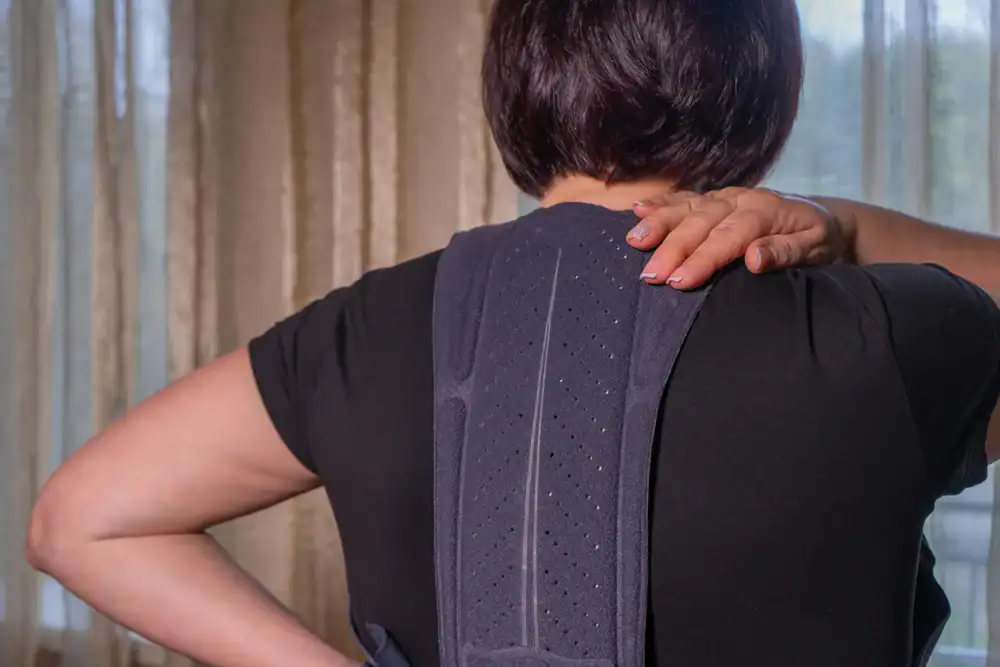
You stop reaching for pain meds every afternoon. Your neck moves without that grinding feeling. You can look over your shoulder when you’re driving without wincing.
That’s what happens when forward head posture in Babbitt, NJ gets corrected properly. Not just adjusted once and sent home. Actually corrected through targeted treatment that addresses why your head drifted forward in the first place.
Most people around here spend 35 minutes commuting, then sit at a desk for eight hours, then look down at their phone for another two to four hours. That’s how you end up with your head tilted so far forward it’s putting 60 pounds of pressure on your neck. That’s the weight of an eight-year-old sitting on your cervical spine all day.
When that pressure gets removed through posture correction in Babbitt, NJ, your muscles stop compensating. Your joints stop grinding. The tension headaches that start at 3 PM stop showing up. You can turn your head to check your blind spot without planning for it.
Dr. Paul Roses has been treating posture-related pain in Hudson County since 1981. He’s seen what happens when people ignore text neck symptoms and what it takes to reverse the damage from years of sitting wrong.
This isn’t a practice that cracks your back and sends you out the door. You get a full spinal screening, infrared imaging that shows exactly where the nerve interference is, and a personalized exercise plan designed for your specific postural issues. The goal is correction, not just temporary relief.
Babbitt residents deal with the same postural strain as the rest of Hudson County—long commutes, desk work, and constant phone use. We’ve built our approach around those realities. You’re not getting a generic adjustment. You’re getting treatment that accounts for how you actually spend your day.
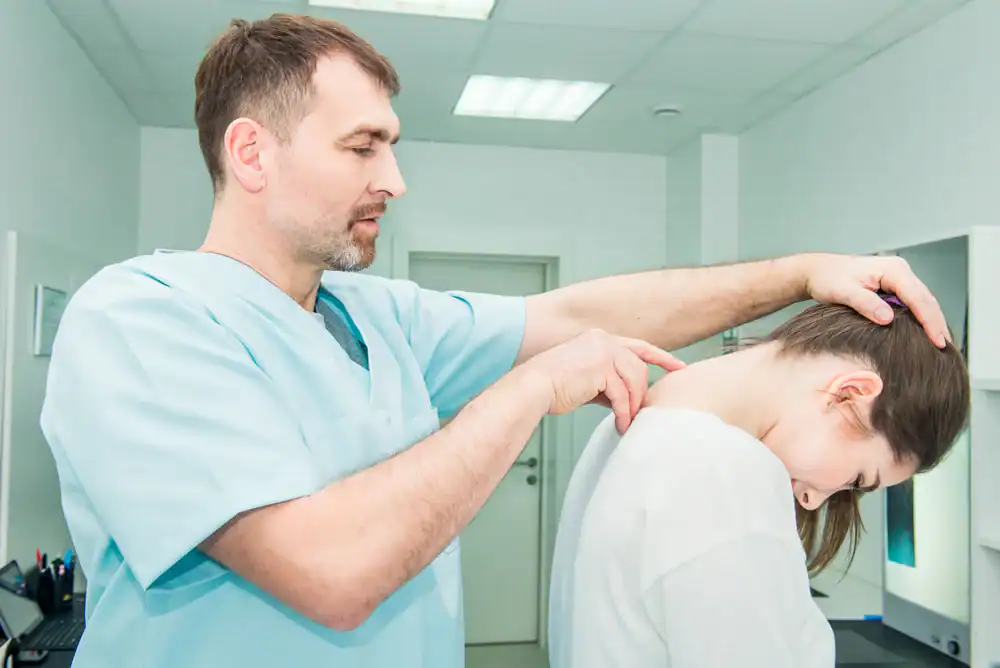
First visit starts with a postural screening and spinal assessment. Dr. Roses uses Titron infrared imaging to see exactly where nerve interference is happening. It takes seconds and shows what’s actually going on in your spine, not just where it hurts.
Then you get a treatment plan. Not a one-size-fits-all approach. A plan based on your imaging, your pain patterns, and how your posture has shifted over time. If you’ve got forward head posture from years of desk work, that’s different from text neck in Babbitt, NJ caused by constant phone use. The correction approach changes based on what caused the problem.
Treatment combines spinal adjustments with specific exercises you do at home. These aren’t generic stretches. They’re designed to strengthen the muscles that have weakened from poor posture and release the ones that have been overworking to compensate. Most people feel a difference within the first few visits, but real correction takes consistency.
You’ll also get guidance on what’s making your posture worse. How you’re sitting at work. How you’re holding your phone. What you’re doing in the car during that 35-minute commute. Small changes in those habits make the adjustments hold longer.

Ready to get started?
You get a complete baseline assessment using advanced diagnostic technology. That includes spinal imaging, posture analysis, and a review of how your daily habits are contributing to the problem. We don’t guess. We look at the data and build a plan from there.
Treatment includes spinal adjustments using techniques that have been refined over 40 years of practice. You also get a customized exercise program targeting rounded shoulders, forward head posture, and upper crossed syndrome in Babbitt, NJ. These exercises are designed to be done at home in under 15 minutes. They work because they’re specific to your postural imbalances, not pulled from a generic handout.
You’ll also get lifestyle coaching. That means learning how to set up your workspace so it’s not wrecking your neck. How to hold your phone without creating text neck. How to adjust your car seat and mirrors so your commute isn’t undoing your progress. These aren’t lectures. They’re practical adjustments that make the treatment stick.
Hudson County has one of the highest rates of desk-based work in New Jersey. That means more people dealing with the same postural issues you’re facing. We’ve treated thousands of cases just like yours. We know what works for people who sit all day, commute in traffic, and can’t just quit their job to fix their posture.

It depends on how long you’ve had it and how severe the shift is. If your forward head posture developed over the last year or two, you might see noticeable improvement in four to eight weeks with consistent treatment and home exercises. If it’s been building for a decade, expect three to six months of regular adjustments and corrective exercises.
The timeline also depends on what you do between visits. If you’re still hunched over your phone for four hours a day and sitting with terrible posture at work, progress will be slower. The people who see the fastest results are the ones who actually do their exercises and make the workspace changes we recommend.
You’ll feel some relief early—less tension, better range of motion, fewer headaches. But structural correction takes time. Your body has adapted to that forward head position. Muscles have shortened, others have weakened, and your spine has shifted. Reversing that doesn’t happen in two visits.
Text neck shows up as pain and stiffness in your neck and upper back, tension headaches that start at the base of your skull, and shoulder pain that won’t quit. You might notice your neck doesn’t turn as far as it used to, or you get a grinding sensation when you look up. Some people develop numbness or tingling in their arms because the forward head position is compressing nerves.
Yes, text neck can be reversed, but it requires more than just “sitting up straight.” You need targeted adjustments to restore proper spinal alignment, exercises that strengthen the deep neck flexors and stretch the muscles that have tightened from constant forward head posture, and changes to how you use your phone. Most people spend 700 to 1,400 hours a year looking down at their devices. That’s a lot of time reinforcing bad posture.
Treatment for text neck in Babbitt, NJ focuses on correcting the cervical curve, reducing the load on your neck, and retraining the muscles that support your head. The earlier you address it, the easier it is to reverse. If you wait until you’ve developed chronic pain or nerve issues, it takes longer.
They work if they’re the right exercises and you’re doing them consistently. Generic stretches you find online might help a little, but they’re not designed for your specific imbalances. Rounded shoulders usually come with tight chest muscles, weak upper back muscles, and forward head posture. You need exercises that address all three, not just one.
We design exercise programs based on your posture assessment. If your shoulders are rounding because your pecs are tight and your rhomboids are weak, you’ll get stretches for the front and strengthening exercises for the back. If upper crossed syndrome is part of the picture, the program will target the muscle imbalances causing that pattern.
The key is consistency. Doing the exercises twice and expecting permanent change won’t work. Most people need to do their corrective exercises three to four times a week for at least eight weeks to see real structural change. But when you combine those exercises with spinal adjustments and posture modifications, rounded shoulders can be corrected. It’s not magic. It’s biomechanics.
Upper crossed syndrome is a postural pattern where certain muscles get tight and others get weak, creating an imbalance that pulls your head forward and rounds your shoulders. The tight muscles are usually your upper traps, levator scapulae, and pecs. The weak ones are your deep neck flexors and lower traps. This creates a “crossed” pattern of dysfunction that shows up as neck pain, shoulder pain, and headaches.
It’s incredibly common in people who work at desks, drive long commutes, and spend a lot of time on their phones. Basically, if you live in Babbitt, NJ and work a typical job, you’re at risk for developing it.
Treatment for upper crossed syndrome in Babbitt, NJ involves spinal adjustments to restore proper alignment, specific exercises to strengthen weak muscles and stretch tight ones, and posture retraining so you’re not constantly reinforcing the pattern. We’ll also look at your workspace setup and daily habits to identify what’s feeding the problem. You can’t just adjust your way out of upper crossed syndrome if you’re going right back to the same positions that caused it. The treatment works, but it requires addressing both the structure and the habits.
Many insurance plans cover chiropractic care, including treatment for posture-related conditions like forward head posture, text neck, and upper crossed syndrome. Coverage varies depending on your plan, but if you’re dealing with pain, restricted movement, or documented postural issues, there’s a good chance your insurance will cover at least part of the treatment.
We can verify your insurance benefits before you start treatment so you know what to expect. Some plans cover a set number of visits per year. Others require a copay per visit. A few cover the initial assessment and X-rays but have different coverage for ongoing adjustments.
If your insurance doesn’t cover chiropractic care or you’ve hit your visit limit, we offer affordable cash rates. The goal is to make posture correction in Babbitt, NJ accessible, not to rack up bills. During your first visit, you’ll get a clear breakdown of costs and what your insurance will cover. No surprises.
Yes, especially if your headaches are tension-based and start at the back of your head or neck. Forward head posture puts extra strain on the muscles at the base of your skull, which can trigger headaches that feel like a tight band around your head or pressure behind your eyes. When your posture gets corrected and that strain is reduced, the headaches often decrease or disappear.
Neck pain from poor posture responds well to chiropractic treatment because the root cause is mechanical. Your spine is out of alignment, your muscles are compensating, and nerves might be getting compressed. Adjustments restore alignment, exercises retrain the muscles, and the pain reduces as your body stops working so hard to hold your head up.
A lot of people try pain meds, massage, or physical therapy before they come in for posture correction in Babbitt, NJ. Those things might help temporarily, but if the underlying postural issue isn’t fixed, the pain comes back. We treat the cause, not just the symptoms. That’s why patients who’ve been dealing with chronic neck pain and headaches for years finally get relief that lasts.