
Hear from Our Customers

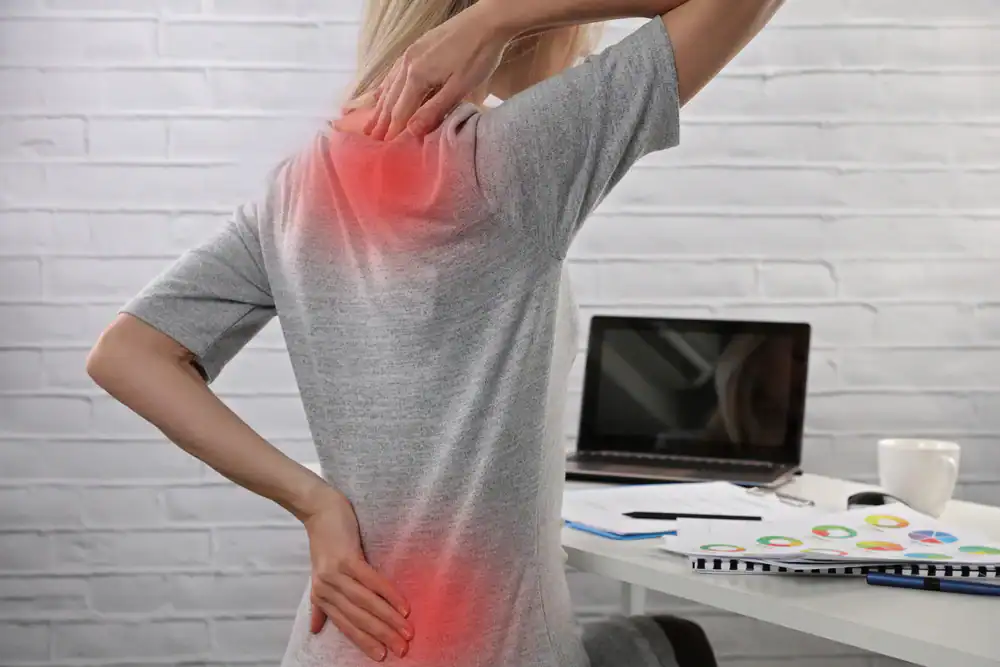
You’re not imagining it. That shooting pain down your leg when you stand up from your desk isn’t normal, and neither is waking up with a stiff neck every morning after your commute.
Spinal traction in West New York, NJ works by gently stretching your spine to create negative pressure inside the discs. When that happens, bulging or herniated material can retract. Pinched nerves get space to breathe again. Oxygen and nutrients flow back into damaged tissue.
Most people notice something different within the first few sessions. The sharp edge comes off the pain. You sleep better. Sitting through your work day doesn’t feel like punishment anymore.
This isn’t about masking symptoms. Mechanical spinal traction benefits your body by addressing what’s actually wrong—the compression, the inflammation, the structural issue that’s been stealing your quality of life. Over 75% of patients who complete a full course of treatment report significant, lasting relief. That’s not hype. That’s clinical data from peer-reviewed studies.
Dr. Paul Roses has been treating patients across Hudson County for years, and his focus has always been the same: help people avoid unnecessary drugs and surgery when there’s a better way.
We use FDA-approved spinal decompression equipment at Roses Chiropractic. Our treatment protocols are based on research developed by neurosurgeons, orthopedists, and physical therapists—not guesswork. You’re not a number here. You’re someone dealing with real pain, and that deserves real answers.
West New York is a working community. Long commutes into Manhattan. Physical jobs. Families that can’t afford to lose income because someone’s back went out. We get it. That’s why our focus is on getting you functional again as quickly as possible, without the recovery time or financial burden of surgery.
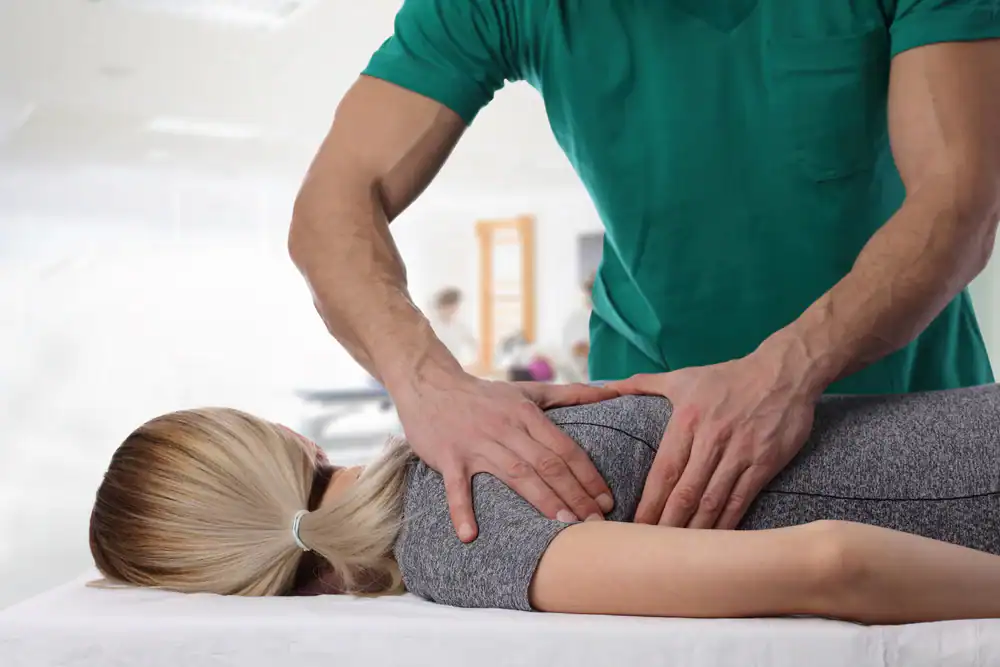
You’ll lie on a motorized table, fully clothed. A harness fits comfortably around your hips or neck, depending on where your pain is. The machine applies controlled, gentle pulling force to your spine—stretching it in a way your body can’t do on its own.
Each session lasts about 30 minutes. Most people find it relaxing. Some even fall asleep.
The treatment creates space between your vertebrae. That space reduces pressure on the discs and nerves causing your pain. It also allows healing nutrients to reach areas that have been starved of blood flow due to compression.
You’ll typically need 15 to 30 sessions over four to six weeks for full results. That might sound like a lot, but compare it to months of recovery from back surgery—or years of managing pain with medications that don’t actually fix anything.
Lumbar traction for sciatica in West New York, NJ targets the lower back and radiating leg pain. Cervical traction for neck pain in West New York, NJ focuses on the upper spine and shoulders. Both use the same principle: decompress the problem area and let your body heal itself.
Ready to get started?
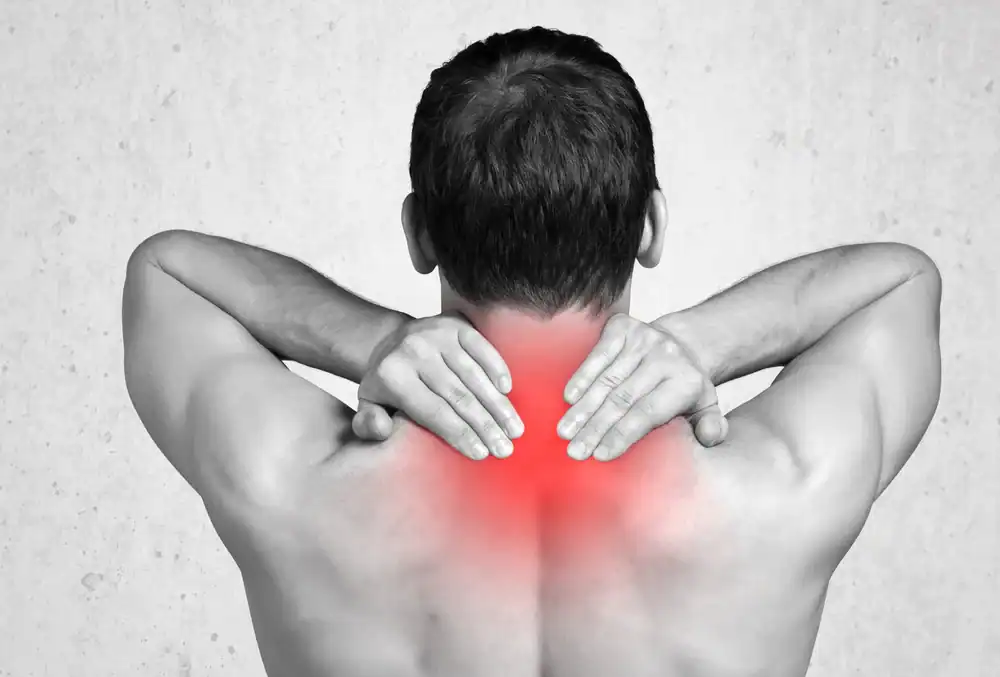
Non-surgical spinal decompression therapy in West New York, NJ treats herniated discs, bulging discs, degenerative disc disease, sciatica, spinal stenosis, and chronic neck or back pain. It’s not a one-size-fits-all approach. Your treatment plan is based on your specific condition and how your body responds.
You’ll get a thorough evaluation before starting. That means understanding what’s causing your pain, not just where it hurts. X-rays or imaging might be reviewed. Your history matters—how long you’ve been dealing with this, what you’ve already tried, what makes it worse.
Most insurance plans cover spinal decompression. If yours doesn’t, the cost per session typically ranges from $60 to $150 in New Jersey—a fraction of what surgery costs. And unlike surgery, there’s no hospital stay, no anesthesia risks, no months of physical therapy just to get back to baseline.
Here’s what makes this relevant for West New York: you’re likely commuting, working long hours, and dealing with the physical stress that comes with both. This treatment fits into your life. You can come in before or after work. You don’t need someone to drive you home. You don’t need time off to recover.
Yes, and the research backs it up. Clinical studies show that over 70% of patients experience significant pain relief from mechanical spinal traction—results comparable to surgery, but without the risks or recovery time.
When you have a herniated disc, part of the disc’s inner material pushes out and presses on nearby nerves. That’s what causes the sharp, shooting pain down your leg or arm. Spinal traction creates negative pressure inside the disc, which can pull that herniated material back in. It also increases space around the nerve, reducing inflammation and irritation.
For sciatica specifically, lumbar traction for sciatica in West New York, NJ has been shown to reduce both back pain and leg pain in patients with confirmed disc herniations. One study found statistically significant improvements in pain scores, disability ratings, and quality of life measures after a full course of treatment.
You won’t feel instant relief after one session, but many patients notice improvement within the first few visits. The key is completing the full treatment plan—usually 15 to 30 sessions—so your body has time to heal properly.
Manual traction and motorized spinal decompression are not the same thing. A physical therapist can apply some pulling force by hand, but it’s limited by their strength and can’t be sustained or controlled with the same precision.
Motorized spinal decompression uses FDA-approved equipment that applies a specific, computer-controlled force to your spine. The machine can hold that tension for extended periods and cycle between pulling and releasing in a way that maximizes decompression without triggering your muscles to tighten up.
That last part matters. When your body senses sudden or aggressive stretching, your muscles contract to protect your spine. That’s called the proprioceptive response, and it works against the treatment. Spinal decompression equipment is designed to bypass that response by applying force gradually and in controlled intervals.
The result is deeper, more effective decompression than manual traction can achieve. That’s why studies comparing the two consistently show better outcomes with motorized spinal decompression therapy in West New York, NJ for conditions like herniated discs and chronic back pain.
No. If it hurts, something’s wrong, and the treatment should be adjusted immediately.
Spinal traction should feel like a gentle stretch—similar to the relief you might feel when someone pulls lightly on your head to decompress your neck. Most patients describe it as relaxing. Some fall asleep during sessions because the stretching actually reduces muscle tension and promotes relaxation.
You’re in control the entire time. If anything feels off, you can stop the session instantly. The equipment is designed with safety releases, and Dr. Roses monitors your response throughout treatment.
The first session might feel a little strange simply because it’s new. Your body isn’t used to that kind of controlled decompression. But strange isn’t the same as painful. By the second or third visit, most people look forward to it.
Compare that to other treatments for chronic back pain—injections, surgery, even some aggressive manual therapies. Those can be painful, invasive, or require recovery time. Cervical traction for neck pain in West New York, NJ and lumbar decompression are non-invasive. You walk in, lie down for 30 minutes, and walk out. No needles. No incisions. No downtime.
Most people start noticing improvement within the first 6 to 10 sessions, but the full treatment plan typically runs 15 to 30 sessions over four to six weeks.
That timeline isn’t arbitrary. Your spine didn’t herniate or degenerate overnight, and it won’t heal overnight either. Spinal decompression works by creating the conditions your body needs to repair itself—better circulation, reduced pressure, less inflammation. That process takes time.
Some patients feel relief sooner. Others take a bit longer. It depends on how severe your condition is, how long you’ve been dealing with it, and how your body responds to treatment.
Here’s the important part: even if you feel better after a few sessions, you need to complete the full plan. Stopping early is like taking half a course of antibiotics. You might feel better temporarily, but the underlying problem isn’t fully resolved, and your symptoms are likely to come back.
The goal isn’t just to reduce your pain. It’s to give your discs and nerves enough time to heal so the relief lasts. Research shows that patients who complete the full course of non-surgical spinal decompression therapy in West New York, NJ have significantly better long-term outcomes than those who stop as soon as they feel a little better.
Most insurance companies now cover spinal decompression, but coverage varies by plan. Some cover it fully under chiropractic benefits. Others may require a copay or apply it to your deductible.
The best way to know for sure is to call your insurance provider and ask specifically about “spinal decompression therapy” or “non-surgical decompression treatment.” You can also contact us directly at Roses Chiropractic, and our office can help verify your benefits before you start treatment.
If your insurance doesn’t cover it—or if you don’t have insurance—the out-of-pocket cost typically ranges from $60 to $150 per session in New Jersey. For a full treatment plan of 20 sessions, that’s $1,200 to $3,000. Compare that to spinal surgery, which can cost $50,000 to $150,000, plus months of lost income during recovery.
Even without insurance, spinal traction in West New York, NJ is one of the most cost-effective treatments available for herniated discs and chronic back pain. And because there’s no recovery time, you’re not losing work or income while you heal. You can continue your normal routine between sessions.
Yes. That’s exactly what it’s designed to do.
Spinal decompression was developed by a team of neurosurgeons, orthopedists, and other spine specialists specifically as a non-surgical alternative for patients facing procedures like spinal fusion or discectomy. The clinical success rate—over 75% of patients achieving significant relief—is comparable to surgical outcomes, but without the risks, costs, or recovery time.
If you’ve been told you need surgery, that doesn’t mean surgery is your only option. Many patients who initially receive surgical recommendations find that mechanical spinal traction benefits them enough to avoid the operating room entirely.
Surgery should be a last resort. It’s invasive. It’s expensive. It comes with risks like infection, nerve damage, and failed back surgery syndrome. And even when it works, recovery takes months. You’re looking at weeks of immobility, followed by extensive physical therapy, followed by a slow return to normal activity—if you ever get back to normal.
Non-surgical spinal decompression therapy in West New York, NJ gives your body a chance to heal itself first. If it works—and for most people, it does—you’ve avoided all the downsides of surgery. If it doesn’t work, surgery is still an option. But at least you’ll know you tried the safer, less invasive route first.