
Hear from Our Customers

You’re not looking for temporary fixes. You want to walk without shooting pain down your leg. You want to sleep through the night without waking up stiff. You want to get back to work, play with your kids, or just move through your day without planning around your back.
Spinal traction in The Island, NJ works by creating negative pressure inside damaged discs. That pressure lets herniated or bulging discs retract naturally, taking pressure off the nerves causing your pain. It also restores fluid, nutrients, and oxygen flow to the disc—things your body needs to actually heal, not just feel better for a few hours.
Studies show 71-89% of patients experience significant relief with non-surgical spinal decompression therapy. That’s comparable to surgery, but without the risk, the recovery time, or the $50,000 price tag. Most people see a 50% reduction in pain within two weeks. Many report they’re symptom-free after the full protocol.
This isn’t about managing pain forever. It’s about addressing what’s causing it so you can move on.
Dr. Paul Roses has been practicing chiropractic care in Hudson County for over 30 years. He’s treated everyone from local families in The Island, NJ to first responders during the September 11 attacks. His approach is straightforward: remove the interference, let your body do what it’s built to do.
You won’t get upsold on treatments you don’t need. You won’t hear vague promises about “wellness journeys.” You’ll get a clear explanation of what’s wrong, what mechanical spinal traction benefits can do for your specific condition, and how long it typically takes.
The Island community deals with the same challenges most of Hudson County faces—long commutes, physical jobs, aging infrastructure that keeps you on your feet. Dr. Roses has seen how these factors contribute to chronic back pain and sciatica, and he’s built our practice around real solutions that fit real lives.
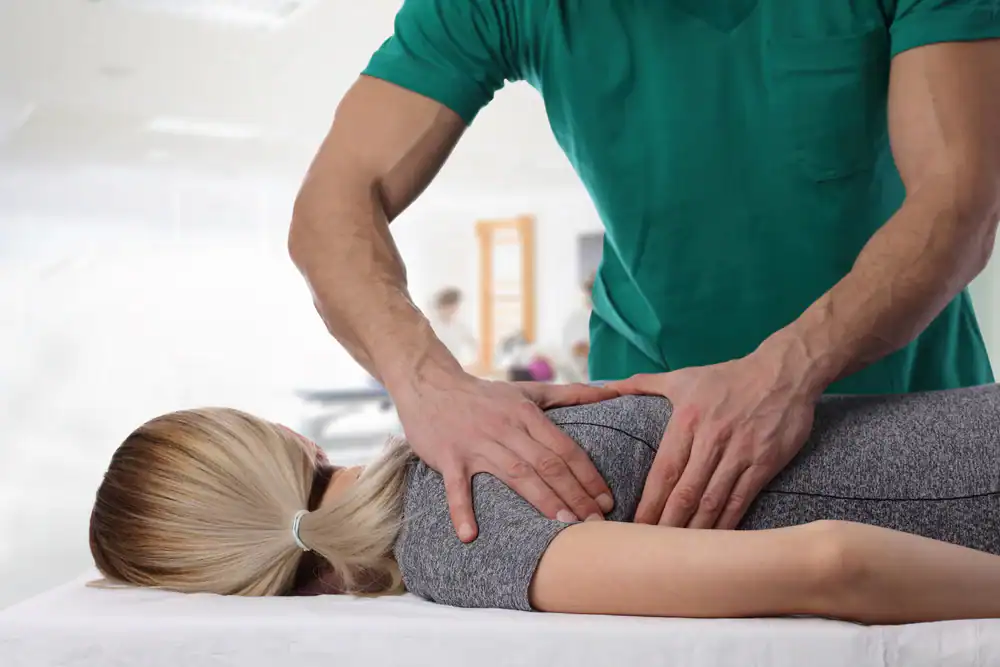
First, you’ll have a consultation where Dr. Roses evaluates your condition. That means understanding your pain, your history, and what’s actually happening in your spine. If spinal traction in The Island, NJ is right for you, he’ll explain why and what to expect.
During treatment, you’re positioned on an FDA-approved decompression table. The table applies controlled, gentle traction that creates negative pressure in the targeted disc. This is different from old-school traction—it’s computer-controlled and specifically designed to lower intradiscal pressure, which is what allows healing to happen.
Each session lasts about 30-45 minutes. Most people need 12-20 sessions over four to six weeks, depending on severity. Some patients feel relief after just a few sessions. Others take the full protocol to see major improvement.
Lumbar traction for sciatica targets the lower back and relieves that radiating leg pain. Cervical traction for neck pain works the same way but focuses on the upper spine. Both are non-invasive, painless, and let you return to normal activity immediately—no downtime, no restrictions.
Ready to get started?
Non-surgical spinal decompression therapy in The Island, NJ treats herniated discs, bulging discs, degenerative disc disease, sciatica, spinal stenosis, and pinched nerves. It’s effective for both neck pain and lower back pain, and it works for people who’ve tried other treatments without success.
You’re getting treatment on the same FDA-cleared equipment used in clinical studies—the kind that documented 88.9% success rates and zero serious adverse events across over 1,000 cases. You’re not a test case. This is proven.
The Island sits in one of the most densely populated areas in the country, which means a lot of sitting in traffic, a lot of repetitive strain, and a lot of people between 30 and 60 dealing with chronic pain. That’s exactly the population that benefits most from mechanical spinal traction benefits—people who need relief but can’t afford weeks of recovery or surgical risk.
Treatment can be combined with chiropractic adjustments and physical therapy if needed. The goal isn’t just to reduce your pain. It’s to restore function, improve mobility, and give you long-term results that last well beyond your last session.
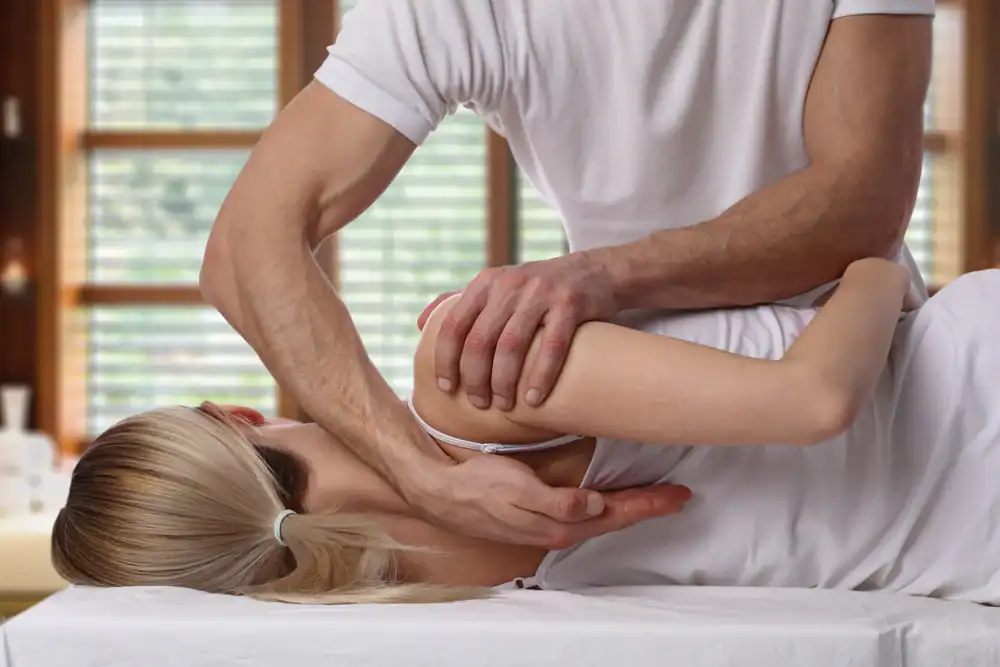
Chiropractic adjustments realign the spine and remove nerve interference caused by misalignment. Spinal traction in The Island, NJ goes a step further by targeting the disc itself—creating space, reducing pressure, and allowing the disc to heal from the inside.
Think of it this way: an adjustment fixes the position. Traction fixes the structure. Both address pain, but they work on different parts of the problem. For conditions like herniated discs or sciatica, traction is often more effective because it directly relieves the pressure on the nerve root.
Many patients benefit from both. We’ll recommend what makes sense for your specific condition, not what fills the schedule.
Yes. In fact, 62% of patients with Failed Back Syndrome—meaning they’ve had surgery that didn’t work—experience major relief with non-surgical spinal decompression therapy. That’s significant, especially when you consider that repeat surgery has even higher failure rates.
If your first surgery didn’t solve the problem, it’s often because the underlying disc issue wasn’t fully addressed or because scar tissue created new complications. Spinal traction doesn’t cut, so it doesn’t add to that scar tissue. It works with your body’s natural healing process.
You’ll need to discuss your surgical history during your consultation. Some cases aren’t candidates for decompression, but many are—and the results can be life-changing for people who thought they were out of options.
Most patients notice a difference within the first two weeks. Clinical studies show an average 50% reduction in pain after just 10 sessions. By the end of a full six-week protocol, 88.9% of patients report significant improvement.
That said, everyone’s different. If you’ve been dealing with pain for years, your body might need more time to respond. If your condition is newer or less severe, you might feel relief even faster.
The key is consistency. Lumbar traction for sciatica works by gradually reducing pressure and allowing the disc to rehydrate and heal. Skipping sessions or stopping early can limit your results. We’ll give you a realistic timeline based on your specific condition during your first visit.
No. Most patients describe it as relaxing. Some even fall asleep during treatment. The table applies slow, controlled traction—nothing sudden, nothing jarring. You’re in control the whole time and can stop the session if you feel any discomfort.
Cervical traction for neck pain uses a similar approach but focuses on the upper spine. You’ll feel a gentle stretch, but it shouldn’t hurt. If it does, that’s a sign something needs to be adjusted, and we’ll make changes immediately.
There’s no recovery period after a session. You can drive yourself home, go back to work, or resume normal activities right away. Compare that to surgery, which requires months of downtime and comes with real risk of complications.
It depends on your plan. Some insurance companies cover non-surgical spinal decompression therapy under chiropractic care or physical therapy benefits. Others don’t. The best way to know is to call your provider or bring your insurance information to your consultation.
Even if insurance doesn’t cover it, the cost is a fraction of what surgery runs—typically thousands instead of tens of thousands. And because the success rates are comparable to surgery without the risks, many patients find it’s worth paying out of pocket.
We can walk you through your options and help you understand what your financial responsibility will be before you commit to treatment. No surprises, no hidden fees.
Yes. Degenerative disc disease happens when discs lose hydration and height over time, often due to age or repetitive stress. Spinal traction in The Island, NJ creates the negative pressure needed to pull fluid, oxygen, and nutrients back into the disc. That can slow degeneration and relieve the pain caused by nerve compression.
It won’t reverse decades of wear overnight, but it can significantly improve your quality of life. Patients with degenerative disc disease often report less stiffness, better mobility, and a major reduction in daily pain after completing treatment.
The earlier you address it, the better. Waiting until the disc is completely collapsed limits what any non-surgical treatment can do. If you’re dealing with chronic stiffness or pain that’s getting worse, it’s worth getting evaluated now rather than later.