

Hear from Our Customers

You’re not looking for temporary relief. You want to wake up without that sharp pain shooting down your leg. You want to sit through a workday without constantly shifting positions. You want to play with your kids or get through your weekend without planning around your back.
Mechanical spinal traction benefits State College patients by creating negative pressure inside your spinal discs—something your body can’t do on its own. That pressure drop pulls herniated disc material back into place and lets oxygen, nutrients, and healing factors flow into areas that have been starved of circulation. Most people feel some level of relief during their very first session.
This isn’t about masking pain. It’s about changing the environment inside your spine so your body can actually heal. When you take pressure off a pinched nerve, the pain stops. When a bulging disc gets space to retract, the inflammation goes down. When blood flow improves, damaged tissue repairs itself.
Whether you’re dealing with lumbar traction for sciatica State College, cervical traction for neck pain State College, or chronic issues from degenerative disc disease—the goal is the same. Give your spine the conditions it needs to recover, and your body does the rest.
Dr. Paul Roses has been practicing chiropractic care since 1981, long before spinal traction in State College, NJ became a go-to alternative to surgery. He graduated from Life Chiropractic College with one clear mission: help people heal without drugs or invasive procedures.
That philosophy hasn’t changed. What has changed is the technology. Today, we use computer-controlled decompression systems that deliver precise, measurable forces to your spine—nothing like the old-school traction tables that triggered muscle spasms and made things worse.
State College residents come here because they’ve tried physical therapy, pain meds, injections, and they’re still stuck. Many are facing surgery and looking for one more option. Dr. Roses has built our practice around being that option—and around getting results that let people avoid the operating room entirely.
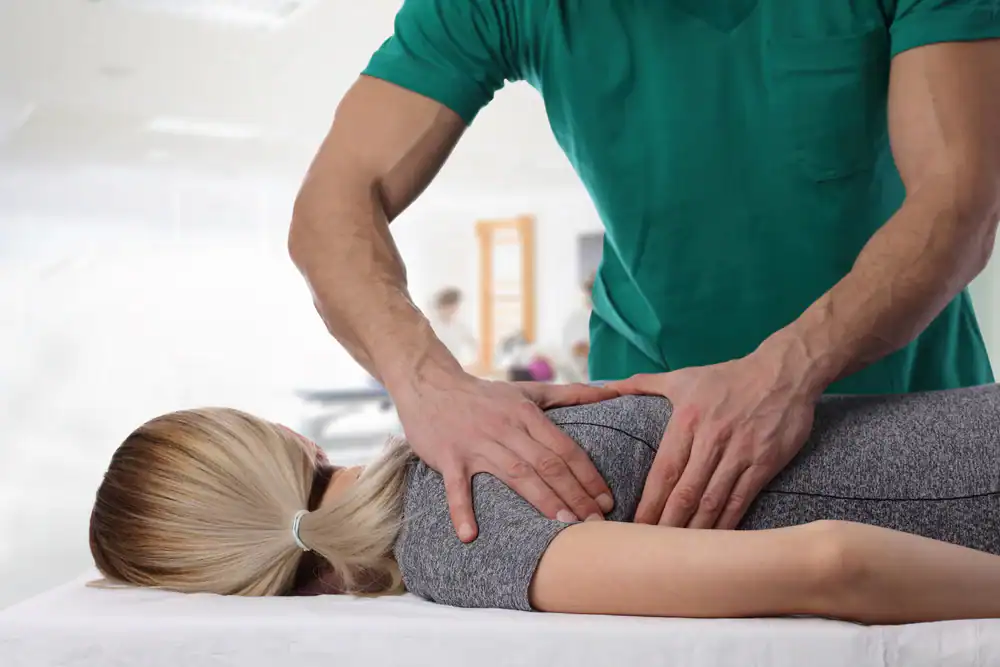
You start with a baseline assessment. That means imaging, evaluation of your symptoms, and a clear diagnosis of which discs are causing your pain. We don’t guess—we identify the exact spinal segments that need decompression.
Once you’re cleared for treatment, you’ll lie on a specialized table that’s controlled by a computer. The system applies a gentle pulling force to your spine, gradually increasing over several minutes. The key is precision—too much force triggers your muscles to tighten up and fight back. Too little does nothing. The technology we use finds the sweet spot where your spine decompresses without resistance.
Each session lasts between 30 and 45 minutes. Most patients describe it as comfortable, even relaxing. Some fall asleep. You’ll come in daily for the first two weeks, then three times a week, then twice a week. Total treatment usually runs between 15 and 30 sessions depending on your condition.
What’s happening inside your body during this time? Pressure inside your discs drops to between -150 and -200 mmHg. That’s a vacuum effect. It pulls bulging material back toward the center of the disc, takes pressure off your nerves, and creates space for blood flow and healing. That’s how lumbar traction for sciatica State College works—it removes the mechanical cause of your pain.

Ready to get started?
This isn’t a one-size-fits-all approach. Your treatment is built around your imaging, your symptoms, and your specific condition. Herniated discs get targeted differently than degenerative disc disease. Cervical traction for neck pain State College uses different angles and forces than lumbar decompression.
You’re getting FDA-approved equipment with built-in safety features. Both you and the operator have emergency stop switches. If anything feels wrong, the session ends immediately. No risk of injury, no guessing.
You’re also getting a comprehensive care plan. Spinal decompression works best when it’s combined with chiropractic adjustments and rehabilitative exercises. We don’t just decompress your spine and send you home—we address the underlying mechanics that caused the problem in the first place.
State College, NJ is part of a broader community where people spend hours sitting at desks, standing on job sites, or dealing with the physical toll of raising families. Those repetitive stresses add up. Non-surgical spinal decompression therapy State College gives your body a chance to reset and recover from years of accumulated damage without going under the knife.
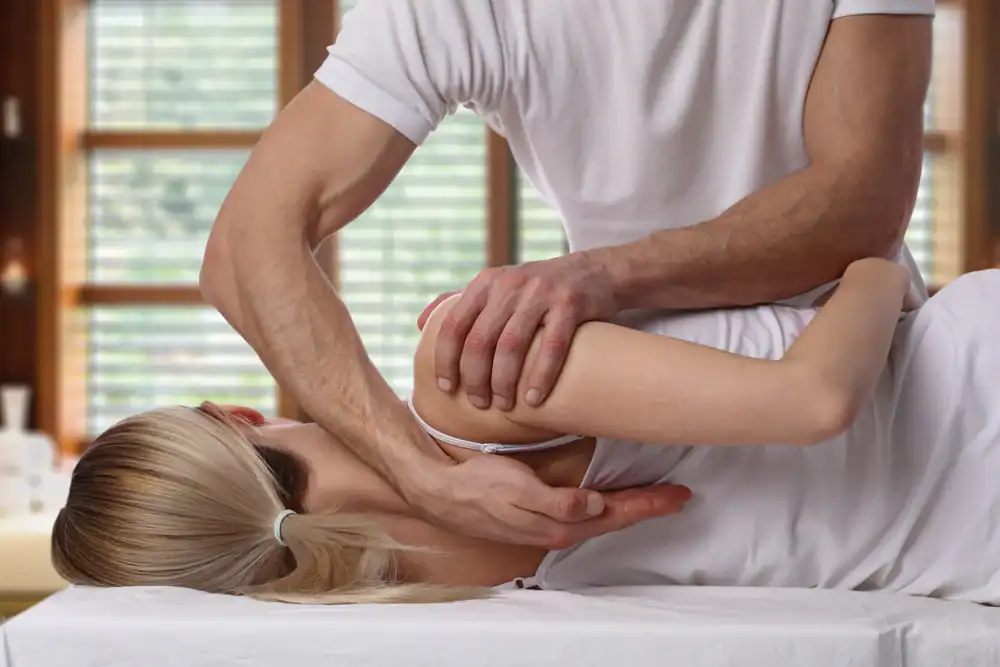
Physical therapy focuses on strengthening muscles, improving flexibility, and teaching you how to move without aggravating your injury. That’s valuable, but it doesn’t change what’s happening inside your disc.
Spinal traction creates a measurable change in pressure inside the disc itself. Studies show it can reduce intradiscal pressure to negative levels—something no amount of stretching or exercise can do. That negative pressure is what pulls herniated material back into place and allows nutrients to flow into damaged tissue.
If you’ve been through physical therapy and you’re still in pain, it’s often because the mechanical problem—the bulge, the pinch, the compression—was never addressed. Traction handles that part. It’s not a replacement for PT, but it does something PT can’t.
Most patients feel some level of relief during or immediately after their first session. That doesn’t mean you’re healed—it means the pressure on your nerve has decreased enough for your pain signals to quiet down.
Real, lasting relief builds over the course of treatment. Your body needs time to repair damaged tissue, rehydrate discs, and reduce inflammation. The first few sessions give you a preview of what’s possible. The full protocol—15 to 30 sessions—gives your body the time it needs to actually heal.
Some people have flare-ups during treatment. That’s normal. You’re changing the position of structures that have been stuck in place for months or years. Your body has to adjust. Stick with the protocol and those flare-ups usually resolve on their own.
Yes, in many cases. A lot of patients come to us after a failed back surgery. They went through the procedure, did the rehab, and they’re still dealing with pain or limited mobility.
Spinal decompression can help because it addresses issues that surgery might have missed—or even caused. Scar tissue, adjacent segment degeneration, and incomplete decompression are all common post-surgical problems that traction can improve.
That said, we evaluate every case individually. If you’ve had spinal fusion, rods, or hardware installed, the treatment plan will be adjusted. Some areas of your spine might not be candidates for traction, but others could benefit significantly. It all comes down to your imaging and your specific surgical history.
Spinal surgery can run anywhere from $50,000 to over $100,000 depending on the procedure, your insurance, and whether complications arise. Then there’s the recovery time—weeks or months where you’re not working, not moving normally, and dealing with post-op pain.
Spinal decompression therapy is a fraction of that cost. Even if you’re paying out of pocket, you’re looking at a few thousand dollars for a full treatment plan. Many insurance plans cover it, especially if it’s being used to avoid surgery.
But cost isn’t just about the bill. It’s about time, risk, and quality of life. Decompression has no recovery period. You walk in, get treated, and go back to your day. No anesthesia, no incisions, no risk of infection or surgical complications. For a lot of people, that peace of mind is worth more than the price difference.
Spinal traction works best for conditions caused by compression or pressure on your spinal discs and nerves. That includes herniated discs, bulging discs, degenerative disc disease, sciatica, pinched nerves, and spinal stenosis.
If your pain is coming from a structural issue—something pressing on a nerve or restricting space inside your spinal column—traction can help. It creates the space your body needs to take pressure off those nerves and start healing.
It’s not a cure-all. If your pain is coming from a fracture, infection, tumor, or severe osteoporosis, traction isn’t the right tool. That’s why we do a full evaluation before starting treatment. You need to know exactly what’s causing your pain before you can treat it effectively.
That depends on what you do after treatment. If you complete the full protocol, get relief, and then go back to the same habits that caused the problem—sitting all day, lifting incorrectly, skipping exercise—your symptoms will likely come back.
Spinal decompression gives your body a chance to heal, but it doesn’t make you immune to future injury. We work with patients on long-term strategies: posture correction, core strengthening, ergonomic adjustments, and periodic maintenance visits.
Most people who follow through with those recommendations stay pain-free for years. Some need occasional tune-ups if they have a flare-up or reinjure themselves. But the majority find that once their disc heals and they learn how to protect their spine, the relief holds. You’re not just buying a few months of comfort—you’re investing in a long-term solution.