
Hear from Our Customers

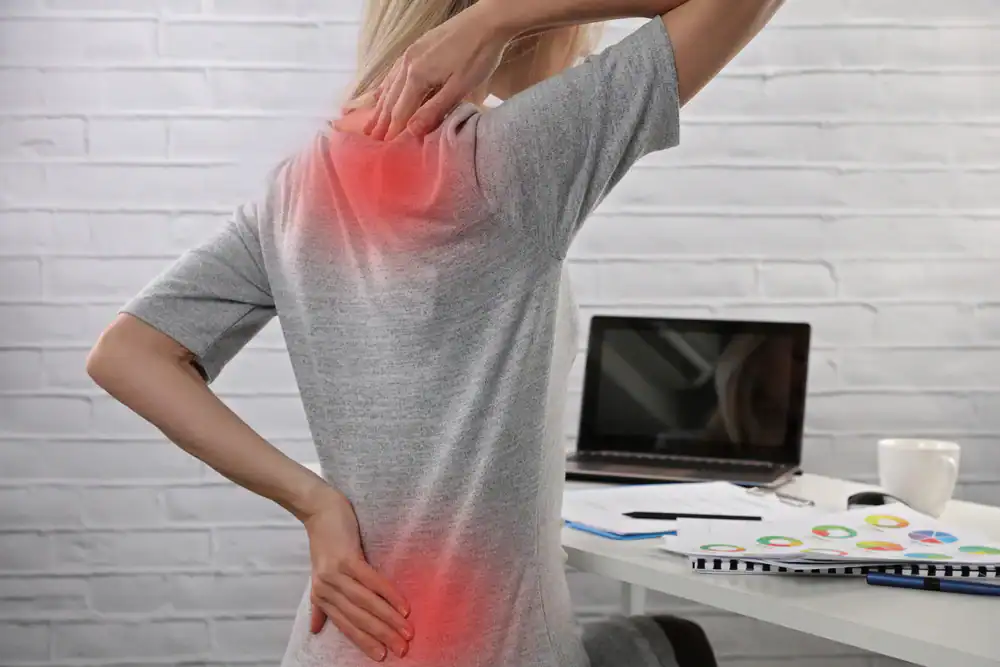
Your pain doesn’t care about your schedule. It shows up when you’re trying to work, sleep, or just get through the day without wincing every time you move.
Non-surgical spinal decompression therapy in South Greenville, NJ creates negative pressure in your spine that pulls herniated discs back into position and takes pressure off pinched nerves. That’s not marketing talk—clinical studies show pain scores dropping from 6.6 to 2.3 for lumbar cases and 6.0 to 1.8 for cervical cases. Most people notice improvement within the first few sessions.
You’re looking at 15-minute treatments. No incisions, no anesthesia, no hospital stays. Just mechanical spinal traction benefits in South Greenville, NJ that address the root cause instead of masking symptoms with pills that stop working or come with side effects you don’t want.
The goal is simple: less pain, better movement, and getting back to the things chronic back pain has been stealing from you. Research shows 88% of patients get satisfactory pain relief when other treatments haven’t worked. That’s not a guarantee, but it’s a real number from real outcomes.
Dr. Paul Roses has been helping people in Hudson County avoid unnecessary surgery since before spinal decompression became mainstream. We were one of the first offices in New Jersey to offer this treatment—20 years of experience with over 1,000 patients treated.
South Greenville residents deal with the same spinal issues you see everywhere: too much sitting, physical jobs that wear down your back, and age-related disc degeneration that doesn’t care how active you used to be. The difference here is approach. We don’t push you toward surgery. We don’t hand you a prescription and call it done.
You get a real assessment using Titron Infrared Imaging to see what’s actually happening in your spine, then a treatment plan built around your specific condition. Lumbar traction for sciatica in South Greenville, NJ or cervical traction for neck pain in South Greenville, NJ—whatever your spine needs, our focus stays on non-invasive correction that actually works.
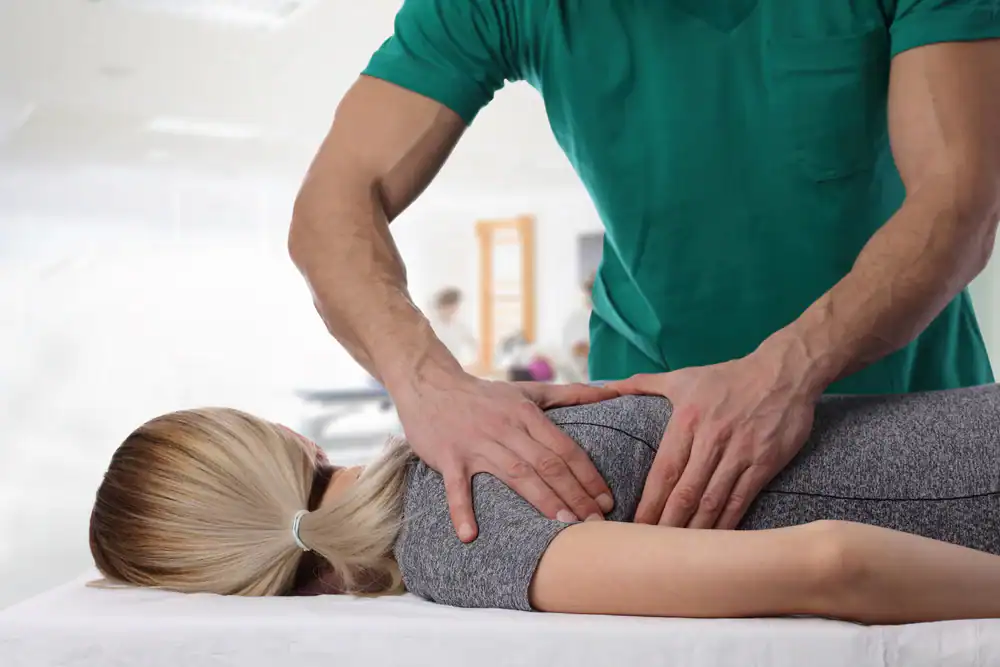
First visit, you’re getting a thorough exam. That means understanding your pain history, what makes it worse, what you’ve already tried, and baseline imaging to see the actual problem. No guessing.
Once Dr. Roses knows what’s causing your pain—herniated disc, degenerative disc disease, spinal stenosis, or nerve compression—you’ll start spinal traction sessions. You lie on a specialized table that uses controlled, computer-guided pulling to create space between your vertebrae. That negative pressure lets bulging discs retract and allows nutrient-rich fluids to flow back into the damaged area.
Each session runs about 15 minutes. Most treatment plans involve multiple sessions over several weeks because your spine didn’t break down overnight and it won’t heal overnight either. But many people feel improvement quickly—sometimes after just a few treatments.
Between sessions, you might get specific exercises designed for your condition. These aren’t generic stretches. They’re targeted movements that support what the traction is doing and help prevent the problem from coming back. The combination of mechanical spinal traction benefits in South Greenville, NJ plus rehabilitation gives you better long-term results than either approach alone.
Ready to get started?
Lumbar traction for sciatica in South Greenville, NJ addresses that shooting pain down your leg that makes standing, sitting, or walking miserable. When a herniated disc presses on your sciatic nerve, decompression pulls it back and relieves that pressure. Studies show 86% of patients with ruptured discs get good-to-excellent results.
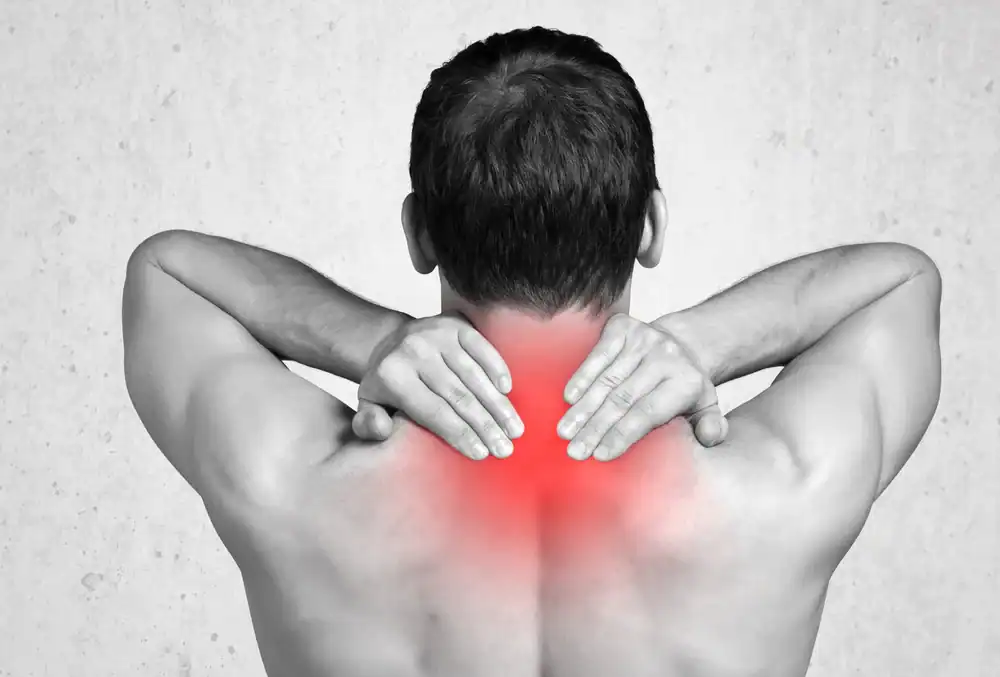
Cervical traction for neck pain in South Greenville, NJ works the same way for your upper spine. Pinched nerves in your neck cause pain that radiates into your shoulders, arms, and hands. You might have numbness, tingling, or weakness that makes simple tasks frustrating. Traction creates space, reduces nerve irritation, and many people feel instant improvement after just a few sessions.
Degenerative disc disease, spinal stenosis, facet syndrome—these aren’t just medical terms. They’re real conditions causing real pain for people in South Greenville who’ve been told surgery is their only option. It’s not. Non-surgical spinal decompression therapy in South Greenville, NJ gives you an alternative that’s covered by insurance, requires no downtime, and has a 75% success rate based on over 1,000 treated patients at our practice alone.
You’re not committing to surgery. You’re not masking pain with opioids. You’re addressing the mechanical problem in your spine with a mechanical solution that’s been validated by clinical research and decades of real-world results.
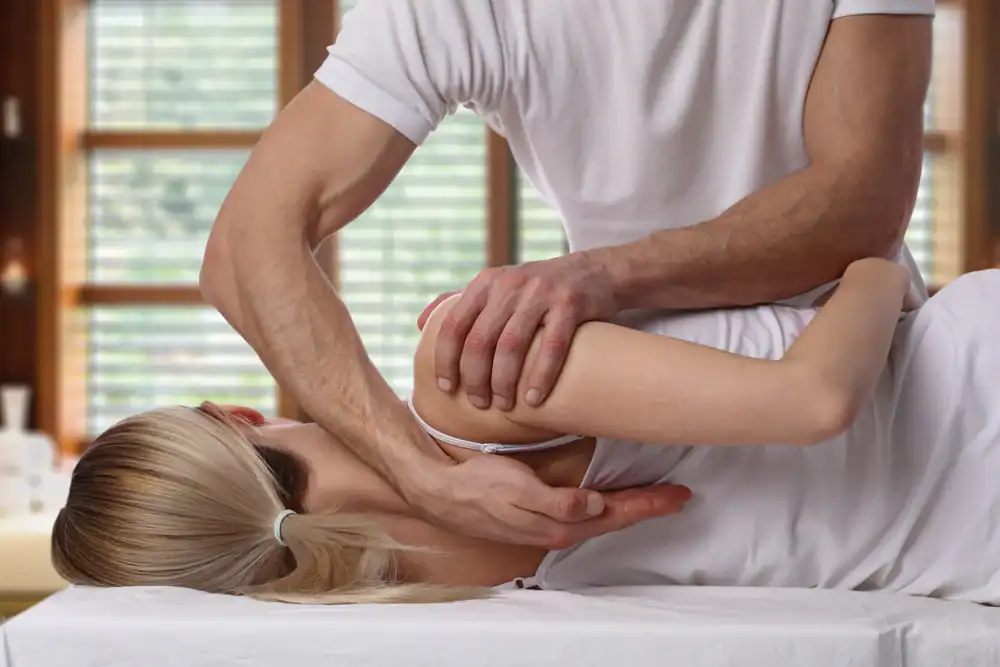
Adjustments realign vertebrae and restore joint mobility. Spinal traction creates sustained negative pressure that specifically targets disc problems and nerve compression.
Think of it this way: if your disc is bulging out and pressing on a nerve, an adjustment might help the surrounding joints move better, but traction actually pulls that disc material back where it belongs. The DRX spinal decompression system uses computer-controlled pulling that’s gentler and more targeted than old-school traction methods.
Most people get the best results from combining both approaches. The traction decompresses the disc, and adjustments keep everything moving properly. You’re not choosing one or the other—you’re using the right tool for the specific problem your spine is dealing with.
Many people notice improvement within the first few sessions, but that doesn’t mean you’re done. Your treatment plan typically runs several weeks because lasting relief requires more than temporary decompression.
Here’s what the research shows: pain reduction happens fairly quickly for most people, but the real healing—disc rehydration, reduced inflammation, nerve recovery—takes time. A typical plan might involve 15-20 sessions over 4-6 weeks. Some people need fewer, some need more, depending on how severe the damage is and how long you’ve been dealing with it.
The goal isn’t just feeling better today. It’s fixing the underlying problem so you’re not back in the same situation three months from now. That’s why the treatment includes those specific exercises—they reinforce what the traction is doing and help prevent re-injury.
Yes, most insurance plans cover spinal decompression and traction therapy because it’s a medically recognized treatment for disc-related conditions. Coverage specifics vary by plan, so you’ll want to verify your benefits.
What matters here is that you’re not looking at the cost of surgery, hospital stays, or long-term medication management. Spinal traction is an outpatient treatment with no facility fees and no surgical risks. Even if you have a copay or coinsurance, you’re typically spending far less than surgical alternatives.
We handle insurance verification and can walk you through what your plan covers before you start treatment. No surprises, no hidden costs. You’ll know upfront what you’re responsible for and what insurance handles.
It’s not painful. Most people describe it as a gentle pulling sensation—some even fall asleep during treatment because it’s actually relaxing once your body adjusts to the feeling.
The DRX system uses computerized controls that gradually increase and decrease the decompression force. It’s not a sudden yank. Your muscles don’t tense up fighting against it like they might with older traction methods. The whole point is creating space in your spine without triggering muscle guarding that would work against the treatment.
You might feel some soreness afterward, similar to what you’d feel after a good workout. That’s normal and usually mild. It’s your body responding to the decompression and increased circulation in areas that haven’t been moving properly. That soreness typically decreases as you progress through treatment and your spine starts functioning better.
Yes. Physical therapy focuses on strengthening and mobility, which is important, but if you have a structural problem like a herniated disc compressing a nerve, exercises alone often aren’t enough to fix it.
Research specifically shows that adding spinal decompression to physical therapy outperforms therapy alone—both statistically and clinically. You’re addressing the mechanical problem (the disc bulge or nerve compression) with traction, then using targeted exercises to support that correction and prevent recurrence.
Many people who come in for spinal traction in South Greenville, NJ have already done weeks or months of PT, medication, and rest without real improvement. That doesn’t mean those treatments are useless—it means your condition needs a different approach. Decompression gives your spine what conservative treatment alone couldn’t provide: actual space for damaged discs to heal and compressed nerves to recover.
The goal is lasting relief, not temporary improvement. Research shows that patients report continued pain reduction even after treatment sessions end, with many maintaining results a year later.
You’ll get a maintenance plan that includes specific exercises to keep your spine healthy and prevent the problem from coming back. These aren’t optional—they’re part of making sure the improvement you’ve gained actually sticks. Your spine got into trouble because of certain movement patterns, postures, or weaknesses. Those don’t magically disappear just because the pain is gone.
Some people need occasional follow-up sessions if they have a flare-up or if their job or lifestyle puts ongoing stress on their spine. That’s normal and far better than living with chronic pain or ending up in surgery. You’re building long-term spine health, not just chasing short-term relief.