
Hear from Our Customers

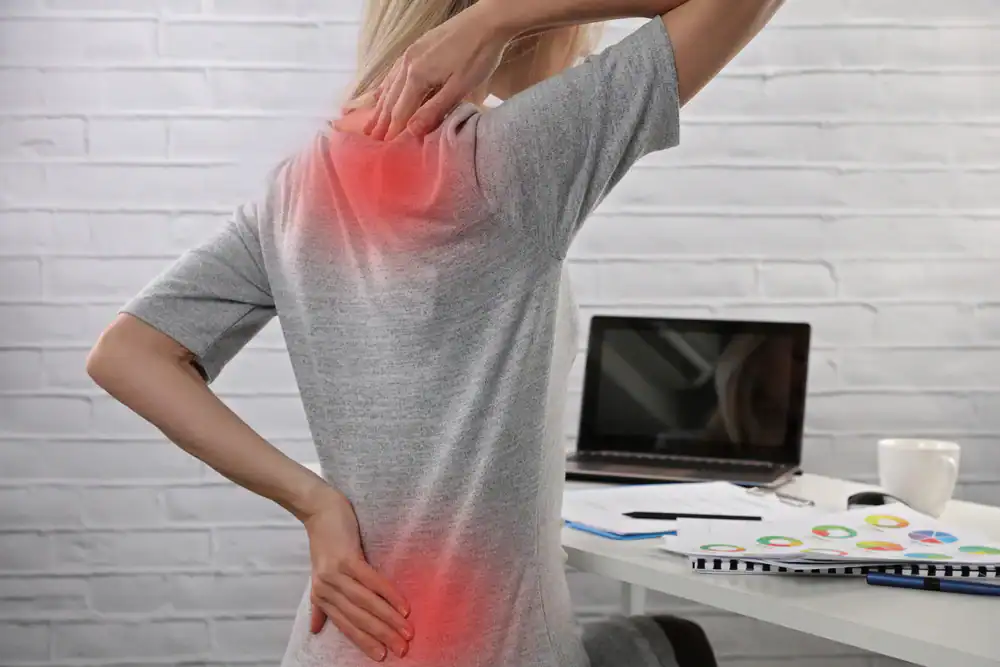
When a disc herniates or bulges, it compresses nerves. That’s where the shooting pain down your leg comes from. That’s why your lower back locks up after sitting at your desk all day.
Spinal traction in McGinley Square, NJ works by gently stretching your spine to create space between compressed vertebrae. This negative pressure allows herniated or bulging discs to retract, taking pressure off pinched nerves. More space means better blood flow, more oxygen, more nutrients reaching damaged tissue.
You’re not masking pain. You’re changing the mechanics that caused it. Most people notice less pain within the first few sessions. Movement improves. Sleep gets easier. You stop planning your day around how much your back can handle.
This is mechanical spinal traction—the kind that actually addresses disc problems, not just tight muscles. It’s what people turn to when they’ve tried everything else and want to avoid surgery.
Dr. Paul Roses grew up in Bayonne and has been practicing chiropractic in this area since 1981. He’s treated thousands of people dealing with the same issues you’re facing—chronic back pain from long commutes, sciatica that won’t quit, neck pain from hours at a computer.
McGinley Square has a lot of commuters. Over half the neighborhood uses public transportation. That means prolonged sitting, poor posture, repetitive strain. We see the pattern every week: desk workers in their 30s and 40s who ignored the warning signs until the pain became unbearable.
Our approach is straightforward. Move the bone away from the nerve. Let the body heal itself. No unnecessary drugs. No surgery unless it’s truly the only option. Just proven techniques, modern equipment like the DRX9000® spinal decompression system, and three decades of hands-on experience.
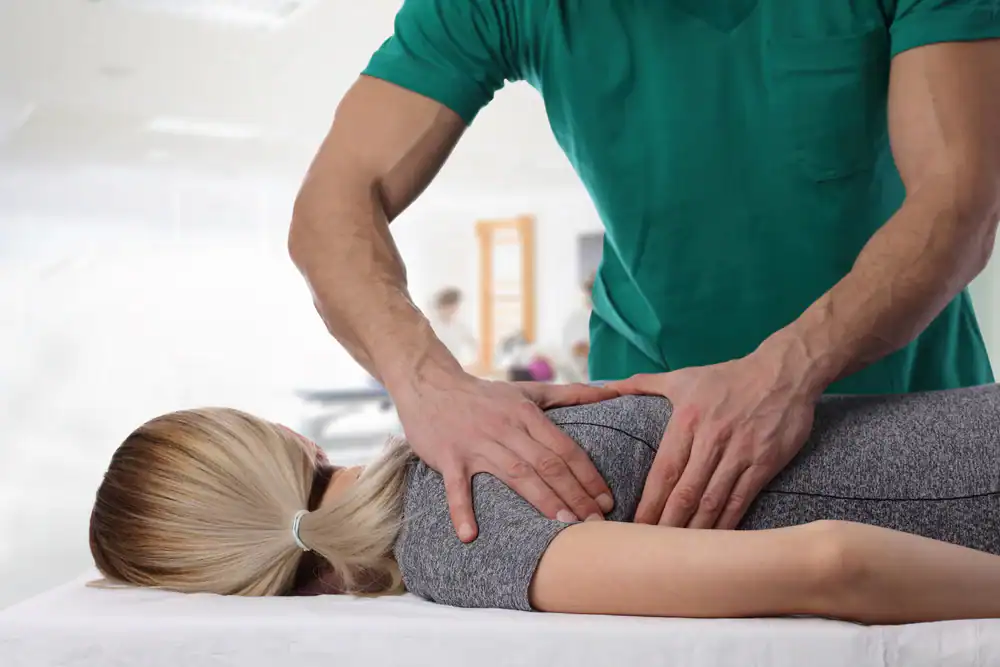
Your first visit starts with an exam. We need to see where the problem is—what’s compressed, what’s inflamed, how your spine is moving. We’ll ask about your pain: when it started, what makes it worse, what you’ve already tried.
If spinal traction is right for you, treatment is simple. You lie on a specialized table. A harness fits comfortably around your pelvis or neck, depending on where the issue is. The table applies controlled, gentle traction—pulling in a way that creates space between your vertebrae without triggering muscle spasms.
Sessions typically last 20 to 30 minutes. You’re awake the whole time. Most people find it relaxing, not painful. The system adjusts the angle and force based on your specific condition—lumbar traction for sciatica targets your lower back differently than cervical traction for neck pain.
Treatment plans usually run several weeks. Frequency depends on severity. Some people come three times a week initially, then taper off as they improve. You can return to normal activities immediately after each session. No downtime. No recovery period.

Ready to get started?
Herniated discs respond well to non-surgical spinal decompression therapy in McGinley Square, NJ. When that inner disc material pushes out and irritates a nerve, traction creates the space needed for it to retract. Sciatica—that sharp, shooting pain down your leg—often improves within weeks.
Degenerative disc disease is another common reason people seek treatment here. As discs lose height and cushioning over time, vertebrae compress nerves. Mechanical spinal traction benefits include slowing that degeneration by improving nutrient flow to damaged discs.
Spinal stenosis, where the spinal canal narrows and squeezes nerves, also responds to this approach. So does chronic lower back pain that hasn’t improved with other conservative treatments.
If you’re a remote worker dealing with new or worsening back pain from your home office setup, this applies to you. If you’re a commuter whose lower back stiffens up after the train ride into the city, this applies to you. If you’re in your 30s or 40s and your back pain is starting to limit what you can do with your kids, this definitely applies to you.
Nearly half of Americans will experience sciatica at some point. Most herniated discs happen to people between 30 and 50. You’re not alone in this, and you don’t have to just live with it.
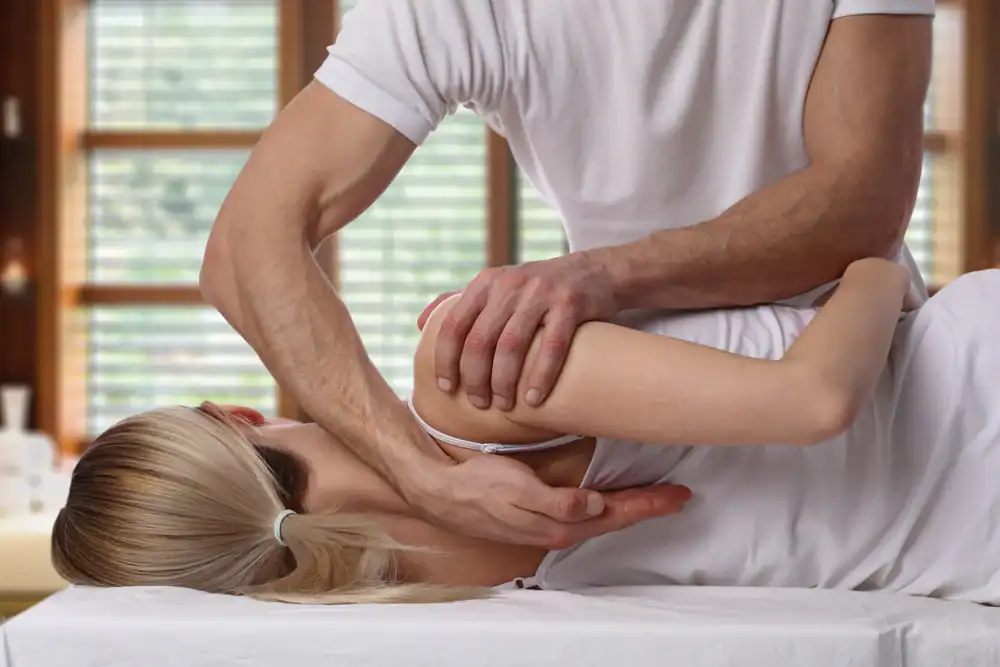
Adjustments realign vertebrae and restore joint mobility. They’re effective for many types of back and neck pain, especially when misalignment is the primary issue.
Spinal traction addresses a different problem: compressed discs. When a disc herniates or bulges, an adjustment alone won’t create enough space for it to retract. Traction applies sustained, controlled force that gently stretches the spine and creates negative pressure inside the disc. That’s what allows herniated material to move back into place and takes pressure off pinched nerves.
Most treatment plans we create combine both. We use adjustments to correct alignment issues and traction to decompress problem discs. It’s not one or the other—it’s using the right tool for the specific problem you’re dealing with.
Most people notice some improvement within the first four to six sessions. Pain levels drop. Movement gets easier. Sleep improves because you’re not waking up every time you shift positions.
Full treatment typically runs 20 to 30 sessions over several weeks. Severe cases—like advanced disc herniations or long-standing sciatica—may need more. Milder cases may need fewer.
Frequency matters early on. You might come three times a week initially, then twice a week as you improve, then once a week for maintenance. Consistency is what creates lasting change. Skipping sessions or spacing them too far apart means you lose momentum. Your body needs repeated decompression to retrain the disc and surrounding tissue into a healthier position.
No, it shouldn’t hurt. You’ll feel a gentle pulling sensation as the table applies traction, but it’s controlled and gradual. The system is designed to avoid triggering muscle spasms, which is what causes pain during manual traction methods.
Some people feel mild soreness afterward, similar to what you’d feel after a deep tissue massage. That’s normal and usually fades within a day. Drinking water and moving around helps.
There’s no downtime. You can go back to work, drive, exercise—whatever your normal routine is. That’s one of the mechanical spinal traction benefits: you get treatment and move on with your day. Compare that to surgery, which requires weeks or months of recovery, and the difference is significant.
Coverage depends on your specific plan. Many insurance policies cover chiropractic care, including spinal decompression therapy, especially when it’s medically necessary for conditions like herniated discs or sciatica.
Our office can verify your benefits before you start treatment. We’ll contact your insurance company, find out what’s covered, and let you know what your out-of-pocket cost will be. No surprises.
If insurance doesn’t cover it fully, payment plans are available. The goal is to make treatment accessible, not to create financial stress on top of physical pain. Even without insurance, non-surgical spinal decompression therapy in McGinley Square, NJ costs a fraction of what surgery would—and without the risks or recovery time.
Cervical traction for neck pain in McGinley Square, NJ works the same way lumbar traction does for your lower back. It creates space between compressed vertebrae in your neck, relieving pressure on pinched nerves.
Neck pain often comes from herniated cervical discs, degenerative changes, or chronic forward head posture—common if you spend hours looking at screens. Cervical traction gently stretches your neck to decompress those problem areas.
The setup is slightly different. Instead of a pelvic harness, you’ll have a cervical harness that supports your head and neck. The table applies controlled traction specific to the cervical spine. Sessions are just as comfortable, and the results are just as effective. Many people dealing with radiating arm pain, numbness, or tingling find relief within a few weeks of consistent treatment.
First, give it a fair chance. Spinal decompression isn’t a one-session fix. Your body needs time to respond, especially if you’ve been dealing with chronic pain for months or years.
If you’ve completed a full treatment plan and aren’t seeing improvement, we’ll reassess. Sometimes the issue isn’t just mechanical—there could be inflammation, muscle imbalances, or other factors that need addressing. We might recommend combining traction with physical therapy, acupuncture, or other supportive treatments.
In rare cases, surgery may be necessary. But that’s a last resort, not a first option. The advantage of starting with non-surgical spinal decompression therapy is that you’re not closing any doors. If conservative treatment works, you’ve avoided surgery entirely. If it doesn’t, you haven’t lost anything by trying—and you’ll have a clearer picture of what’s actually going on before making a bigger decision.