
Hear from Our Customers

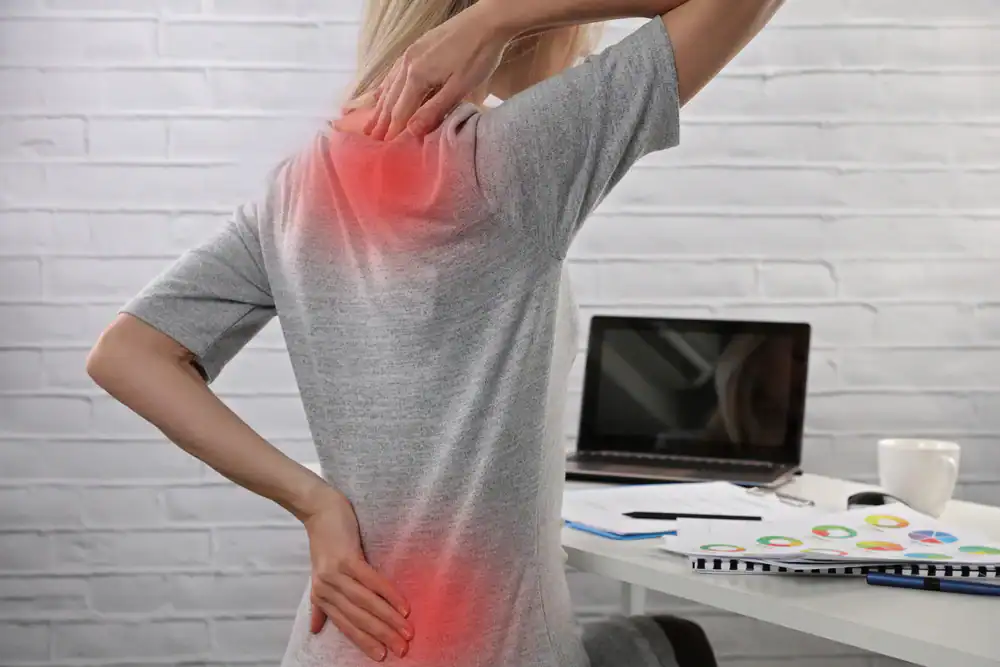
You’ve probably noticed how back pain doesn’t just hurt—it cuts into everything. Getting dressed takes longer. Your commute becomes unbearable. Even sitting through dinner feels like a test of endurance.
Non-surgical spinal decompression therapy in Greenville Yards, NJ works by gently stretching your spine to take pressure off compressed nerves and discs. When that pressure lifts, most people notice pain dropping within the first few sessions. Not gone overnight, but noticeably better.
What makes mechanical spinal traction different is what happens beyond pain relief. As your spine stretches during treatment, nutrients and oxygen flow back into areas that have been starved. That means actual healing, not just temporary comfort. You’re not covering up the problem—you’re giving your body what it needs to fix itself.
Most patients report zero side effects. You walk in, lie down for 15 to 30 minutes, and walk out able to continue your day. No downtime. No prescriptions. Just gradual improvement you can actually feel.
Dr. Paul Roses has been practicing chiropractic care since 1981, serving patients throughout Hudson County from our office in nearby Bayonne. That’s over 40 years of hands-on experience with people dealing with the same issues you’re facing right now.
Greenville Yards sits in a part of Jersey City where people work hard, commute long hours, and deal with the physical toll that comes with both. We understand that your time matters and your pain is real. Our approach isn’t about upselling you on endless visits—it’s about getting you functional again so you can get back to your life.
We use proven techniques, not experimental methods. You’ll get a baseline assessment that takes seconds, a clear explanation of what’s happening in your spine, and a treatment plan that makes sense for your schedule and your body.
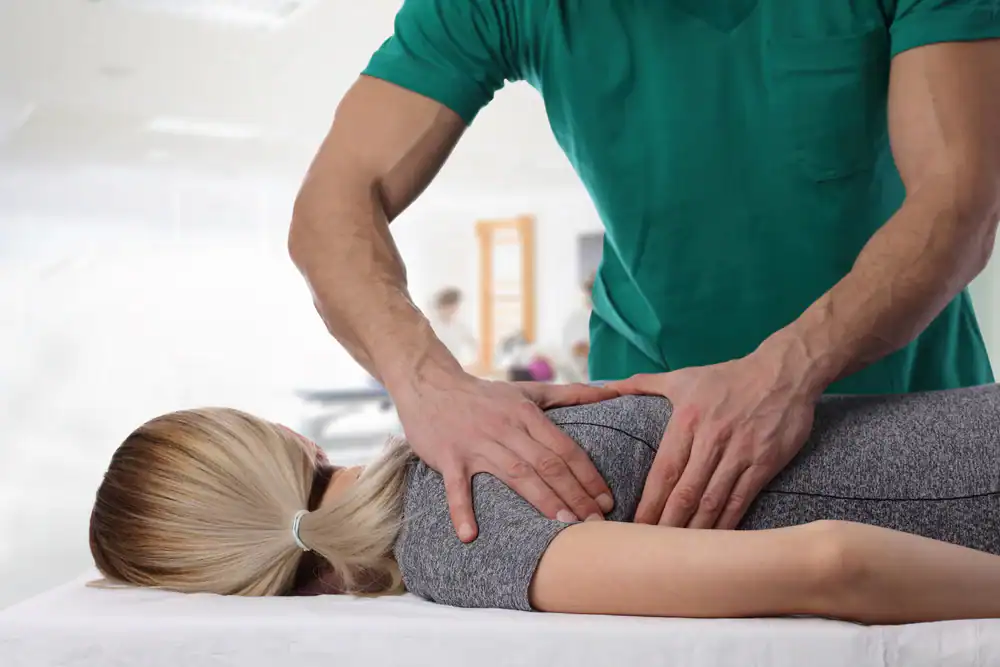
Your first visit starts with an assessment. Dr. Roses uses Titron Infrared Imaging to see what’s going on with your spine—it’s painless and takes just a few seconds. This gives us a clear picture of where the pressure is and what’s causing your pain.
Once we know what we’re working with, you’ll start treatment. You’ll lie on a specialized traction table that gently stretches your spine in controlled intervals. The stretch is gradual—not painful. Most people find it surprisingly comfortable, even relaxing.
Sessions typically last between 15 and 30 minutes. The machine has built-in safety features that stop immediately if you feel any discomfort, though most patients don’t. You’re in control the entire time.
Treatment plans vary, but many people see results within the first few weeks. Some conditions respond faster than others. Lumbar traction for sciatica in Greenville Yards, NJ often brings relief quickly because it directly addresses the nerve compression causing that shooting leg pain. Cervical traction for neck pain in Greenville Yards, NJ works the same way—targeting the root cause, not just the symptoms.
After your session, you go about your day. No recovery period. No restrictions. Just gradual improvement as your spine decompresses and heals.

Ready to get started?
Spinal traction isn’t a one-size-fits-all solution, but it’s effective for a wide range of conditions. If you’re dealing with a herniated disc, bulging disc, sciatica, spinal stenosis, or chronic neck and back pain, this treatment can help.
Here’s what makes it work: when discs in your spine get compressed, they press on surrounding nerves. That’s what causes the pain, numbness, tingling, or weakness you feel. Traction creates space between those vertebrae, relieving pressure and allowing your discs to pull back into position.
In Greenville Yards, NJ and the surrounding Hudson County area, a lot of people deal with work-related back issues—long commutes, desk jobs, physical labor. All of that takes a toll. The good news is that spinal decompression therapy is covered by most insurance companies, making it accessible without the financial burden of surgery.
We also combine treatment with other therapies when needed. Lumbar traction paired with physical therapy modalities has been shown to outperform pain medications for long-term relief. You’re not just managing pain—you’re addressing the underlying issue so it doesn’t keep coming back.
Most people notice some improvement within the first few sessions, but real, lasting relief typically builds over several weeks. Your body needs time to heal, and that doesn’t happen overnight.
A standard treatment plan runs about five to seven weeks, with sessions scheduled multiple times per week at first. Some patients feel significantly better after just a few visits. Others need the full course to get where they want to be.
What you’re dealing with matters too. If you’ve had back pain for seven years, it’s going to take longer than someone who threw their back out last month. But even chronic cases respond—people who’ve been limping, struggling to bend down, needing help putting on socks—they’ve walked out of here pain-free after consistent treatment.
No. The treatment stretches your spine gently, and it shouldn’t hurt. If it does, something’s wrong, and the machine stops immediately.
Most patients describe the sensation as a mild pulling or stretching feeling. Some even fall asleep during sessions because it’s that comfortable. The table is designed to apply controlled, gradual traction—nothing sudden or jarring.
You’re also in control. If at any point you feel pain or discomfort, there’s an automatic shutoff feature. The goal is relief, not more pain. Dr. Roses adjusts the intensity based on your tolerance and your condition, so the treatment stays within a range that feels manageable and safe.
In many cases, yes. A lot of people come in facing surgery as their next step, and spinal decompression gives them another option—one that actually works.
Surgery comes with risks: recovery time, potential complications, and the real possibility that your pain comes back. Up to half of people who have spinal surgery see their original symptoms return months or years later. Then they’re looking at another surgery, and the cycle continues.
Spinal traction addresses the same issues surgery targets—compressed nerves, herniated discs, spinal pressure—but without cutting into your body. It’s not always the answer for everyone, but it’s worth trying before you commit to something irreversible. Many patients who thought surgery was inevitable end up avoiding it entirely after a few weeks of consistent treatment.
Spinal traction works best for conditions caused by nerve compression or disc issues. That includes herniated discs, bulging discs, sciatica, spinal stenosis, and degenerative disc disease.
If you’ve got shooting pain down your leg, that’s usually sciatica—caused by a compressed nerve in your lower back. Lumbar traction relieves that pressure, and the pain often improves quickly. Same goes for neck pain that radiates into your shoulders or arms. Cervical traction targets the upper spine and takes pressure off those nerves.
Chronic back pain that hasn’t responded to other treatments also tends to improve with spinal decompression. If you’ve tried medications, physical therapy, or injections without lasting relief, traction offers a different approach. It’s not a cure-all, but for the right conditions, it’s one of the most effective non-surgical options available.
That depends on what you’re dealing with and how long you’ve been dealing with it. Most treatment plans run five to seven weeks, with sessions scheduled several times per week.
Acute issues—like a recent injury or a flare-up—often respond faster. You might feel significantly better within a few weeks. Chronic conditions take longer because your body has been compensating for the problem for months or years.
Dr. Roses will give you a clearer timeline after your initial assessment. We’re not going to lock you into unnecessary visits, but we’re also not going to promise overnight results. Healing takes time. The goal is steady, measurable improvement that lasts, not a quick fix that wears off in a week.
Most insurance companies do cover spinal traction and decompression therapy, but coverage varies depending on your plan. It’s worth checking with your provider before your first visit.
What makes this treatment appealing from a cost perspective is that it’s significantly less expensive than surgery—and it doesn’t come with the same risks or recovery time. Even if you have a copay or deductible, you’re looking at a fraction of what surgical intervention would cost.
Our office can help you navigate insurance questions and figure out what your plan covers. The goal is to make treatment accessible, not to create a financial burden on top of the physical one you’re already dealing with.