
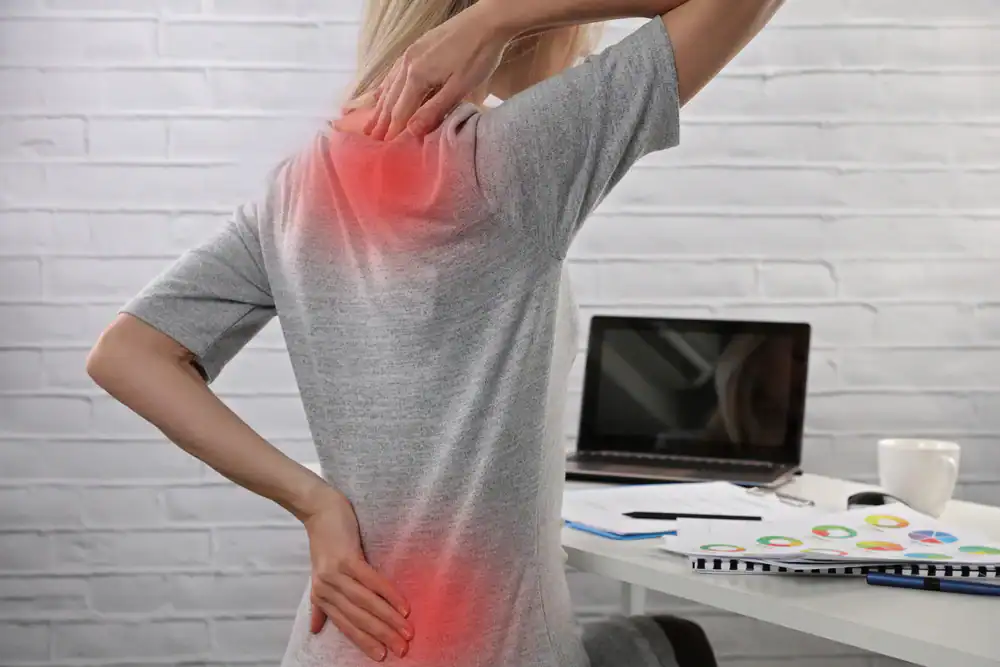
Hear from Our Customers

You sleep through the night again. That’s usually the first thing patients notice when non-surgical spinal decompression therapy in Curries Woods, NJ starts working.
Then comes the morning routine without wincing. Bending to tie your shoes. Sitting through a work meeting without shifting every five minutes. Playing with your kids or grandkids without that sharp reminder in your lower back.
Spinal traction creates negative pressure in your discs. That’s not marketing talk – it’s mechanical physics. When we decompress the spine using computer-controlled precision, herniated or bulging discs get space to pull back in. Nutrients and oxygen flow back into areas that have been starved. Pinched nerves get relief.
Studies show success rates between 71-89% for patients dealing with disc-related pain. That’s not a guarantee, but it’s a hell of a lot better than hoping another round of pain pills will somehow fix the structural problem causing your symptoms.
Most patients in Curries Woods, NJ dealing with sciatica see their symptoms resolve within a few weeks of consistent treatment. Not months. Not years. Weeks. Because when you address the actual source – the disc pressing on the nerve – the downstream symptoms tend to follow.
Dr. Paul Roses has been practicing chiropractic care since 1981. That’s over 40 years of hands-on experience with patients dealing with exactly what you’re going through right now.
We serve the Hudson County area, including Curries Woods, NJ, from our Bayonne location on Avenue C. Our focus isn’t on quick fixes or temporary relief – it’s on addressing the underlying mechanical problems causing your pain.
You won’t find a hard sell for unnecessary treatments here. We use baseline assessments, including Titron Infrared Imaging and x-rays when needed, to understand what’s actually happening in your spine. Then we build a treatment plan around your specific condition. Not a template. Not a one-size-fits-all protocol.
Our goal is simple: help your body heal itself without drugs or surgery. That philosophy has guided our practice for decades, and it’s why patients keep coming back – and referring their family members.
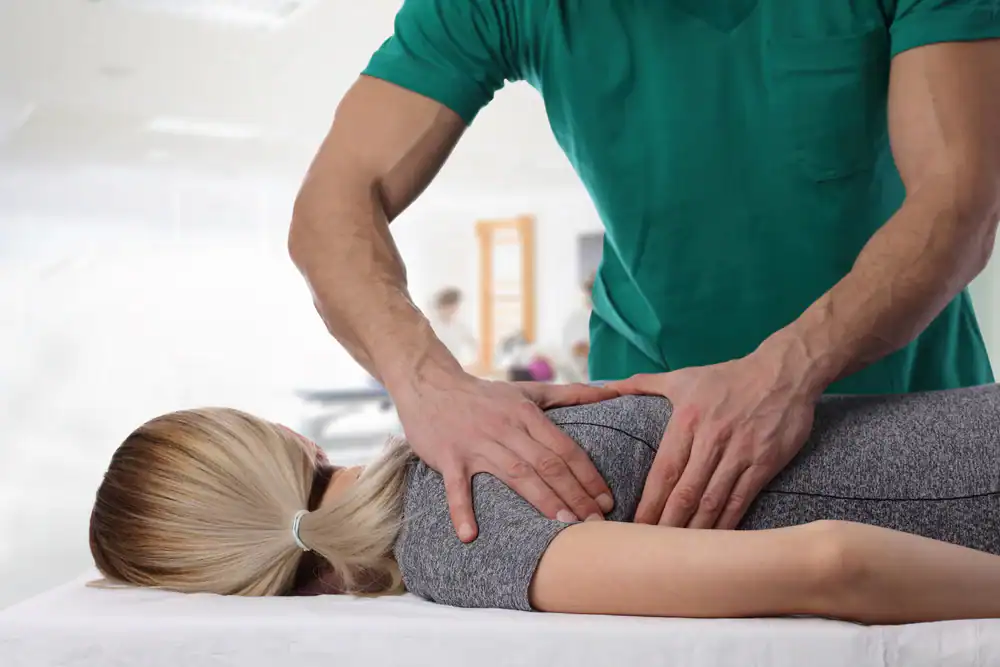
Your first visit starts with a thorough assessment. We need to understand your pain history, what’s worked, what hasn’t, and what your spine actually looks like. That might include imaging if you don’t have recent x-rays. No guesswork.
Once we identify the problem – whether it’s a herniated disc, degenerative disc disease, or nerve compression – we’ll explain what mechanical spinal traction benefits in Curries Woods, NJ can do for your specific situation. You’ll know upfront whether you’re a good candidate.
During treatment, you lie comfortably on a specialized decompression table. Computer-controlled servo motors apply gentle, precise traction to your spine. The system uses something called “nested closed-loop feedback” – basically, it adjusts in real-time to your body’s response. You’re not being yanked or stretched. Most patients find it relaxing. Some fall asleep.
Sessions typically last 20-30 minutes. The treatment creates negative pressure in the targeted disc, which helps it retract and allows healing nutrients to flow back in. You’ll likely need multiple sessions – usually spread over several weeks – because disc healing takes time. But many patients notice improvement within the first few treatments.

Ready to get started?
Spinal traction works for specific conditions. If you’re dealing with a herniated or bulging disc, degenerative disc disease, sciatica, or chronic neck pain from cervical disc issues, you’re likely a good candidate.
Lumbar traction for sciatica in Curries Woods, NJ targets the lower back where most disc problems occur. When a disc in your lumbar spine presses on the sciatic nerve, you get that radiating pain down your leg. Decompression relieves that pressure, and the symptoms typically follow.
For neck issues, cervical traction for neck pain in Curries Woods, NJ uses the same principle on your upper spine. Disc problems in the neck can cause pain radiating into your shoulders, arms, and hands. The treatment creates space, reduces pressure, and gives those cervical discs room to heal.
Hudson County has its share of office workers, manual laborers, and healthcare professionals – all groups with higher rates of back and neck pain. Long commutes, desk work, repetitive lifting – these aren’t just inconveniences. They’re contributing factors to the disc degeneration and nerve compression that bring people through our door.
The treatment itself is non-invasive. No injections. No incisions. No medication side effects. You walk in, get treatment, and walk out. Most patients continue working throughout their treatment plan.
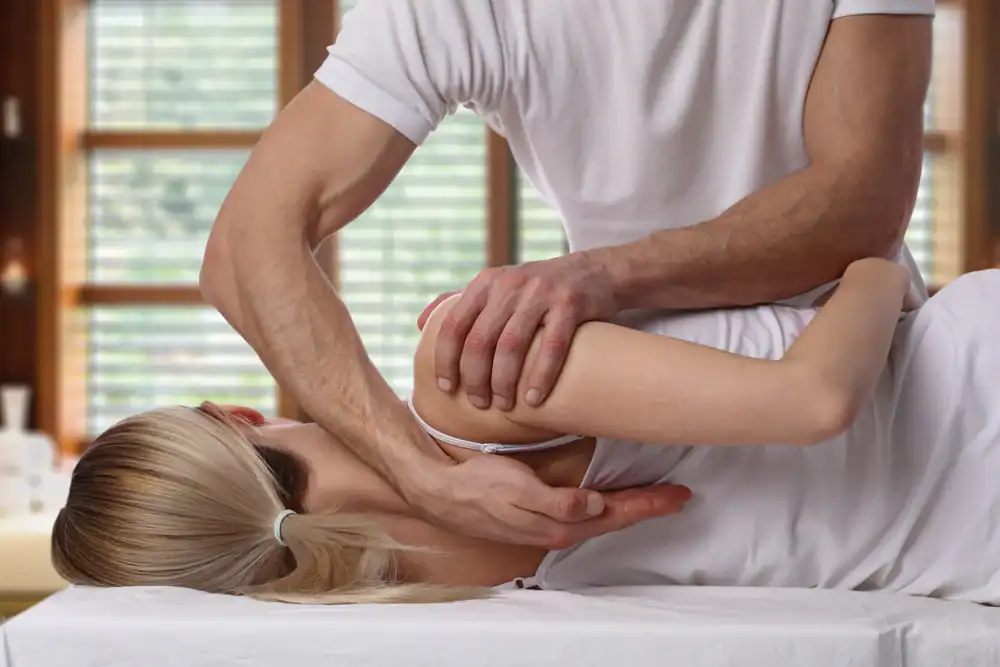
Traditional traction pulls on your spine with constant force. It might feel good temporarily, but it doesn’t create the negative pressure needed for actual disc healing. Your muscles also tend to resist that constant pull, which limits effectiveness.
Spinal decompression uses computer-controlled cycles of pull and release. This bypasses your body’s natural resistance reflex and creates genuine negative pressure inside the disc space. That negative pressure is what allows herniated material to retract and nutrients to flow back in.
Think of it this way: old traction stretched your spine. Modern decompression actually changes the pressure environment inside your discs. That’s why studies show success rates of 71-89% for decompression versus much lower numbers for traditional traction. The technology matters, and so does the precision of how we apply it to your specific condition.
Most patients notice some improvement within the first 6-8 sessions, but complete treatment plans typically run 20-30 sessions over several weeks. That’s not arbitrary – it’s based on how disc tissue heals.
Your discs don’t have direct blood supply, so they heal slower than other tissues. Each decompression session creates the environment for healing, but the actual repair happens between sessions. Consistency matters more than intensity here.
Some conditions respond faster than others. Acute disc herniations often improve quicker than chronic degenerative conditions. We’ll give you a realistic timeline based on your specific diagnosis and imaging. If you’re not seeing progress by the halfway point of your treatment plan, that’s a conversation worth having. The goal is measurable improvement, not endless appointments.
No, it shouldn’t hurt. Most patients describe it as a gentle pulling sensation – like a good stretch. The treatment is designed to be comfortable enough that your muscles stay relaxed, which is essential for it to work.
You’re lying down on a padded table with a harness system that applies the traction. The computer ramps up the pull gradually, holds it, then releases in cycles. There’s no sudden yanking or uncomfortable positioning. Many patients actually look forward to sessions because it feels relieving.
If you do feel pain during treatment, that’s important feedback. The settings can be adjusted, or it might indicate that decompression isn’t the right approach for your particular condition. We monitor how you respond and adjust accordingly. The treatment works best when you’re relaxed, so comfort isn’t just nice to have – it’s functionally necessary.
Coverage varies significantly by insurance plan. Some policies cover spinal decompression when it’s deemed medically necessary and you’ve tried other conservative treatments first. Others don’t cover it at all or have specific limitations.
The best approach is to call your insurance company directly and ask about coverage for “non-surgical spinal decompression” or “mechanical traction therapy” with the CPT codes we provide. Get the answer in writing if possible, because phone representatives sometimes give incomplete information.
We can verify your benefits and give you a clear picture of your out-of-pocket costs before you commit to treatment. Even if insurance doesn’t cover it fully, many patients find the cost reasonable compared to ongoing pain management, lost work days, or surgical alternatives that can run over $22,000. Payment plans may be available if cost is a concern – just ask during your consultation.
Sometimes, yes. Failed back surgery syndrome is unfortunately common – up to half of surgical patients see their symptoms return within months or years. Scar tissue, adjacent disc degeneration, or incomplete nerve decompression can all cause persistent pain after surgery.
Spinal decompression can address some of these post-surgical issues, particularly if there’s a new disc problem at a different level or if the original surgery didn’t fully resolve nerve compression. But it depends entirely on what’s causing your current symptoms and what your surgical history looks like.
We’ll need to review your surgical records and current imaging before recommending decompression. Some post-surgical conditions respond well. Others need different approaches. The consultation exists specifically to answer whether this treatment makes sense for your situation. If it doesn’t, we’ll tell you straight – and potentially point you toward what might actually help.
Stay consistent with your appointment schedule. Skipping sessions or spacing them too far apart interrupts the healing process. Your discs need that regular decompression stimulus to maintain the changes we’re creating.
Follow any exercise recommendations we give you. These aren’t random stretches – they’re designed to support the structural changes happening in your spine and strengthen the muscles that stabilize your discs. Most are simple enough to do at home in 10-15 minutes.
Avoid activities that aggravate your condition, especially in the first few weeks of treatment. If heavy lifting triggered your herniation, don’t test it mid-treatment. If prolonged sitting makes your sciatica worse, take breaks and move around. Common sense goes a long way. Your body is trying to heal – don’t keep re-injuring it while we’re working to decompress those discs. Hydration also matters since discs are largely water-based, so drink enough water throughout your treatment plan.