
Hear from Our Customers

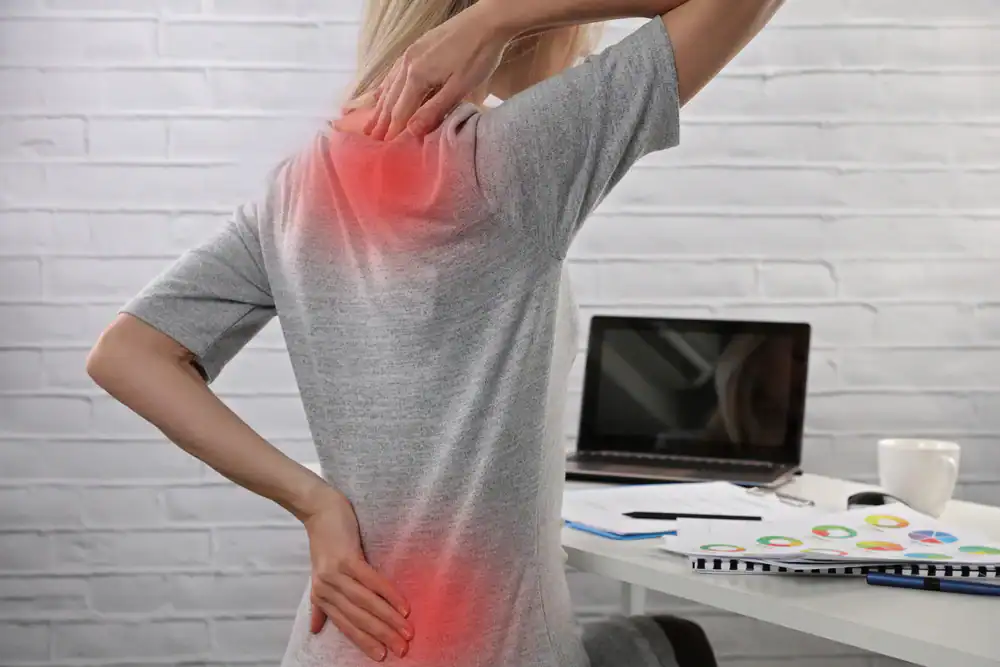
You’re not looking for temporary relief. You want to sleep through the night without waking up stiff. You want to pick up your kids or grandkids without wincing. You want to get through your workday without constantly shifting positions or reaching for ibuprofen.
Non-surgical spinal decompression therapy in Country Village, NJ works by gently creating space between your vertebrae. That space lets herniated or bulging discs pull back into position. It reduces pressure on pinched nerves. It allows blood flow and nutrients to reach damaged areas so your body can actually heal.
Most people notice something different after just two or three sessions. The sharp pain dulls. The radiating numbness down your leg or arm starts to fade. You move easier. And unlike medications that just mask symptoms or surgery that comes with months of recovery, mechanical spinal traction benefits include letting your spine decompress naturally while you’re fully awake and in control.
This isn’t about managing pain forever. It’s about addressing what’s causing it so you can get back to living without constantly thinking about your back.
Dr. Paul Roses has been practicing chiropractic in the Hudson County area since 1981. That’s over four decades of helping people in communities like Country Village avoid unnecessary surgeries and get off the medication treadmill.
Country Village was built as a planned community in the early 1960s—designed to bring suburban living into Jersey City. It’s a neighborhood of families, well-kept Colonial and Cape Cod homes, and people who value quality care close to home. We understand that. Our practice on Avenue C in Bayonne is just minutes away, and our approach has always been straightforward: remove the interference, let your body heal, and give you the tools to stay healthy.
You’re not a number here. You’re someone dealing with real pain that’s affecting your real life. And you deserve a doctor who’s seen thousands of cases like yours and knows what actually works.
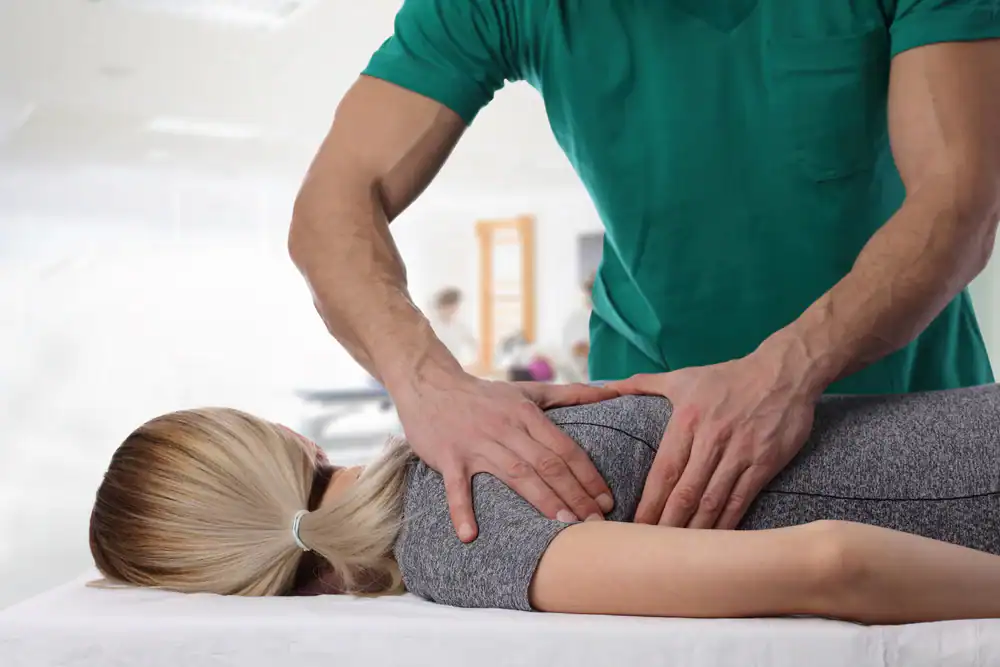
First, you’ll come in for a baseline assessment. That includes a consultation about your pain—where it is, how long you’ve had it, what makes it worse. If needed, Dr. Roses will use advanced imaging like Titron Infrared or X-rays to see exactly what’s going on with your spine.
Once he knows what he’s dealing with, he’ll explain whether lumbar traction for sciatica, cervical traction for neck pain, or another approach makes the most sense for you. Then the actual treatment begins. You’ll lie on a specialized table that gently stretches your spine in a controlled, comfortable way. It’s not painful. Most people find it relaxing.
The traction creates negative pressure inside your discs. That’s what allows bulging material to retract and takes pressure off compressed nerves. Sessions typically last 20 to 30 minutes, and you’ll likely need several over the course of a few weeks.
Between visits, Dr. Roses may give you specific exercises or lifestyle adjustments to support your progress. The goal isn’t just to get you out of pain—it’s to keep you out of pain so you’re not back in our office six months from now with the same problem.

Ready to get started?
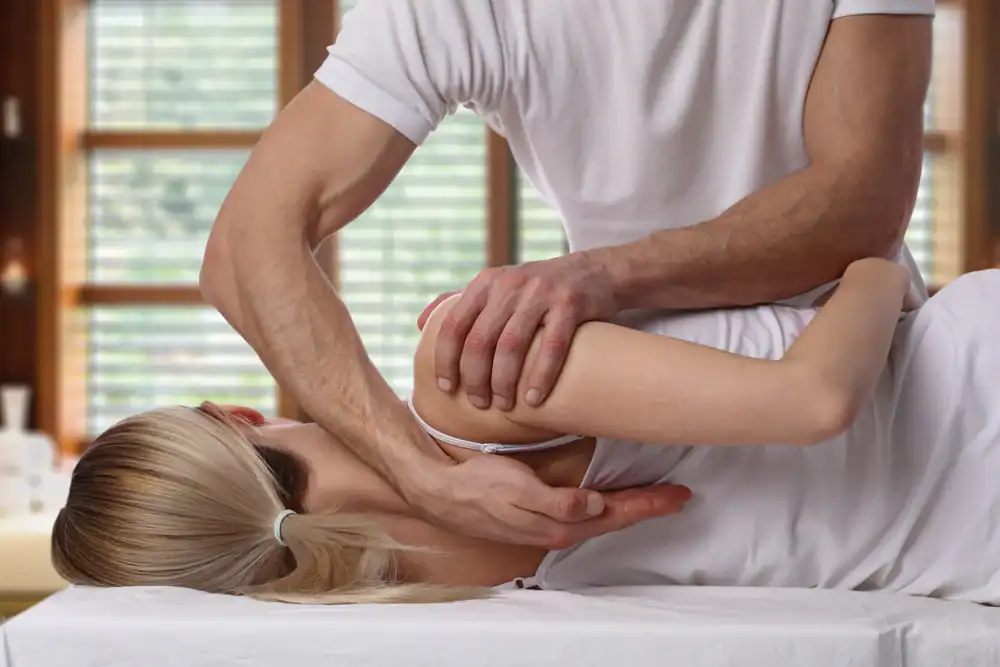
Spinal traction isn’t a one-size-fits-all treatment. We use both manual and mechanical techniques depending on what your body needs. Manual traction involves hands-on adjustments that research shows are highly effective for lumbosacral spine pain with radicular symptoms. Mechanical spinal traction benefits include precise, consistent decompression that’s ideal for herniated discs, spinal stenosis, and chronic sciatica.
In Country Village, NJ, where the median age is 35 and nearly a quarter of residents are between 45 and 64, back pain is incredibly common. Whether you’re dealing with years of desk work, an old injury that never fully healed, or degenerative changes that come with age, spinal traction addresses the root cause—not just the symptoms.
You’ll also get education. Dr. Roses teaches you why your pain happened in the first place and what you can do to avoid re-injury. That might include posture corrections, ergonomic changes at work, or strengthening exercises. The treatment is drug-free, non-invasive, and designed to work with your body’s natural ability to heal.
And because this is a family-focused community, we treat everyone from young adults dealing with sports injuries to older residents managing arthritis and degenerative disc disease. You’re getting care that’s tailored to where you are in life and what you actually need.
Most people notice some level of improvement within the first two to three sessions. That might mean less sharp pain, better range of motion, or reduced numbness and tingling down your arms or legs.
Full relief usually takes longer. Depending on how severe your condition is and how long you’ve been dealing with it, you might need anywhere from 10 to 20 sessions over several weeks. Research shows that adding mechanical traction to a standard exercise program leads to greater improvements in disability and pain—especially at longer-term follow-ups.
The key is consistency. Skipping appointments or stopping treatment too early often means the pain comes back. Dr. Roses will give you a realistic timeline based on your specific situation, and he’ll adjust the plan if you’re not progressing the way you should be.
Yes, spinal traction is safe when performed by a trained chiropractor like Dr. Roses. It’s non-invasive, drug-free, and doesn’t involve the risks that come with surgery or long-term medication use.
Most people experience zero side effects. Occasionally, you might feel some mild soreness or achiness in your back or neck muscles after a session—similar to what you’d feel after a good stretch or workout. That’s normal and usually goes away within a day.
Spinal traction isn’t right for everyone, though. If you have certain conditions like fractures, tumors, or severe osteoporosis, Dr. Roses will recommend a different approach. That’s why the initial assessment is so important. We’re not going to put you on a table and start pulling if it’s not the right fit for your body.
Spinal traction is particularly effective for herniated discs, bulging discs, sciatica, spinal stenosis, degenerative disc disease, and chronic neck or back pain caused by nerve compression.
If you’ve been told you have a pinched nerve, or if you’re experiencing radiating pain down your legs or arms, numbness, tingling, or weakness, lumbar traction for sciatica or cervical traction for neck pain can often provide significant relief. It’s also helpful for people dealing with failed back surgery syndrome—when pain returns months or years after an operation.
In Country Village, NJ, where many residents work desk jobs or have physically demanding careers, repetitive strain and poor posture contribute to a lot of spinal issues. Spinal traction addresses the mechanical problem causing your symptoms, not just the pain itself. That’s why it works when other treatments haven’t.
Chiropractic adjustments realign your spine and restore proper joint function. They’re quick, targeted, and often provide immediate relief. Spinal traction, on the other hand, is a slower, sustained stretch that decompresses your discs and creates space between vertebrae.
Think of it this way: adjustments fix misalignments. Traction fixes compression. Many people need both. We often combine spinal traction with manual adjustments and specific exercises to give you the most complete care possible.
Non-surgical spinal decompression therapy in Country Village, NJ is especially useful when adjustments alone aren’t enough—like when a disc is severely herniated or when nerve compression is causing significant pain and disability. The two approaches complement each other, and Dr. Roses will explain exactly what combination makes sense for your situation.
Many insurance plans do cover chiropractic care, including spinal traction, but coverage varies depending on your specific policy. Some plans require a referral from your primary care doctor. Others have limits on the number of visits per year.
The best thing to do is call our office and ask. Our team can verify your benefits and let you know what your out-of-pocket costs will look like before you commit to anything. Even if your insurance doesn’t cover the full cost, many people find that spinal traction is far more affordable than surgery, ongoing prescriptions, or repeated trips to specialists.
And here’s something worth considering: the median household income in Country Village, NJ is around $77,000, and most families are looking for cost-effective solutions that actually work. Spinal traction often saves money in the long run because it addresses the problem instead of just managing symptoms indefinitely.
In many cases, yes. Spinal traction has helped countless people avoid surgery by relieving the pressure and pain that would have otherwise led them to an operating room.
Research shows that spinal decompression lowers intradiscal pressure, which allows discs to heal more effectively. That’s a big deal when you’re dealing with herniated or bulging discs that are pressing on nerves. Surgery is sometimes necessary, but it’s not without risk—and up to half of people who have spinal surgery experience a return of symptoms within months or years.
Dr. Roses has been practicing for over 40 years, and he’s seen plenty of people who were told surgery was their only option. After a few weeks of consistent spinal traction treatment, many of them walked out pain-free. If you’re on the fence about surgery, it’s worth trying a non-invasive option first. You can always have surgery later if you need to, but you can’t undo it once it’s done.